
National Trust says it won’t drop suit against Trump’s ballroom after DOJ request
National Trust Won’t Drop Trump’s Ballroom Suit
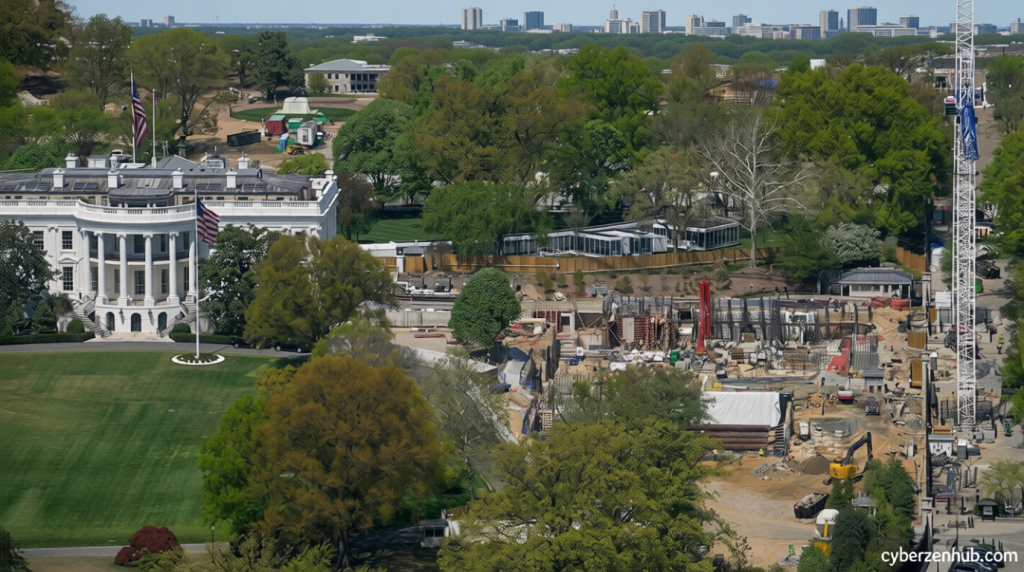
National Trust says it won t drop – The National Trust for Historic Preservation has decided to keep its legal fight against President Donald Trump’s $400 million ballroom project at the White House, rejecting a Department of Justice (DOJ) proposal to dismiss the case. This decision comes in the wake of a shooting at the White House Correspondents’ Dinner, which some officials used as a reason to urge the Trust to withdraw its lawsuit. However, the Trust’s legal team has emphasized that the incident does not justify abandoning the legal challenges surrounding the project, which they argue undermines established procedures.
DOJ’s Request and the Trust’s Resolute Stance
Following the shooting, DOJ officials approached the National Trust, seeking its agreement to drop the lawsuit as a symbolic gesture of cooperation. The request was framed as a practical adjustment to the ongoing legal battle, given the heightened security concerns. Yet, the Trust has remained steadfast, with its attorneys stating that the core legal arguments—centered on the need for congressional approval—remain intact.
“The National Trust says it won’t drop suit, regardless of the shooting, because the constitutional and statutory requirements for the ballroom project are not affected by the incident,”
stated Gregory Craig, the Trust’s lead attorney, in a recent letter to the DOJ.
Craig’s letter underscores the Trust’s argument that Trump’s unilateral decision to proceed with the ballroom construction bypasses essential legislative processes. The Trust contends that the White House, as a historic landmark, must be protected through proper legal channels, including congressional authorization. This position has been reinforced by the fact that the project’s approval is not only a matter of executive convenience but also a potential precedent for future alterations to the presidential residence.
Historic Preservation and Legislative Requirements
The Trust’s lawsuit, filed in December, hinges on the White House’s status as a protected national treasure. It argues that Trump’s plan to build the ballroom without congressional approval violates the law, which mandates that such significant changes require legislative oversight. The project’s design, which includes a subterranean bunker and expanded security infrastructure, has been criticized for prioritizing modernization over the preservation of the building’s historical integrity.
Congressional inaction on the matter has fueled the Trust’s determination. Despite the DOJ’s request to expedite the process, the Trust maintains that the legal framework remains intact. “Congress has not authorized the construction, and that is the crux of the issue,” Craig noted. The Trust’s case also highlights the need for environmental reviews and approvals from agencies like the National Park Service, which oversee the White House’s heritage status.
Legal Developments and Judicial Rulings
Recent court rulings have added layers to the legal debate. While a federal appeals court recently approved the ballroom project, a lower court had previously paused construction due to concerns about historic preservation standards. This discrepancy has created a patchwork of legal interpretations, with the Trust arguing that the appeals court’s decision overlooks key constitutional requirements.
Despite the appeals court’s green light, the Trust remains undeterred. Craig’s team has pointed to the ongoing lack of congressional approval and the absence of required environmental assessments as critical issues. The lawsuit contends that Trump’s actions could set a dangerous precedent, allowing executive decisions to override established legal protocols for altering the nation’s most iconic structures.
Public Reaction and Political Context
The ballroom project has sparked a divide in public opinion. Supporters argue it is a necessary upgrade to enhance presidential security and accommodate large events, while critics view it as an example of executive overreach. The National Trust says it won’t waver in its mission to protect the White House’s historic legacy, emphasizing that the building should not be transformed into a political tool without proper legislative backing.
As the legal battle continues, the Trust’s decision to persist with the suit highlights its commitment to upholding historic preservation standards. The case now serves as a focal point for discussions about the balance between executive authority and the role of Congress in safeguarding national landmarks. With the White House at the center of this controversy, the outcome of the lawsuit could have lasting implications for how presidential projects are reviewed in the future.