Should You Ask AI About Voting? Officials See Opportunity
Cyberzenhub.com – Should you ask AI about voting information? That question is top of mind for election administrators nationwide as artificial intelligence chatbots become increasingly popular sources for electoral guidance. While some officials remain cautious about this emerging trend, others recognize the potential benefits for voter engagement. Citizens are now turning to platforms like ChatGPT and Claude to find polling locations, understand election procedures, and learn about candidates on their ballots. This shift represents a significant development in how voters access critical information ahead of the 2026 midterm elections.
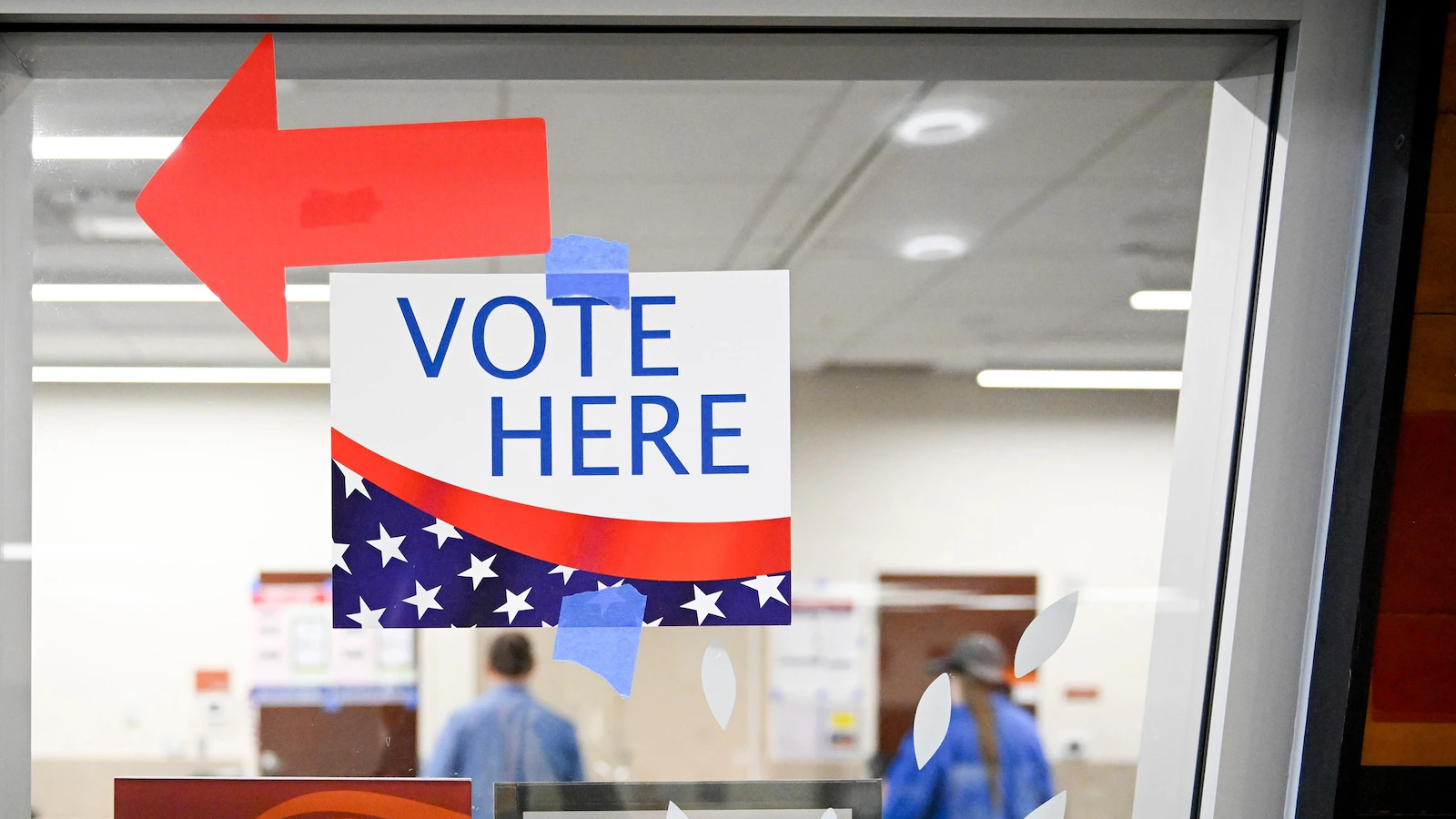
A photograph captured during Utah’s primary election on Tuesday, June 23, 2026, in Salt Lake City shows a sign displayed at a voting center. The image was taken by Alex Goodlett for the Associated Press.
Why Officials Are Cautious About AI Voting Information
Should you ask AI about voting? Many election administrators say the answer depends on how voters use these tools. While AI companies express confidence in providing neutral, accurate information, officials point out several potential pitfalls. Minnesota Secretary of State Steve Simon emphasized during a recent gathering that voters should prioritize traditional information sources. He told ABC News that the most reliable sources remain individuals who directly manage elections.
West Virginia Secretary of State Kris Warner highlighted a specific concern regarding how voters formulate their queries. He explained to ABC News that incomplete input can lead to incorrect results. Warner described a scenario involving a resident of Harrison County who sought localized information but failed to specify the state. Since seven different states contain a Harrison County, the voter might receive information pertaining to Mississippi, Indiana, Texas, or another state entirely rather than the correct location.
When that occurred, we reacted very quickly … to inform voters that the only source of accurate information that you can rely on is from your local election officials, or the secretary of state, or the attorney general, and we’re still driving that message home in this upcoming midterm election.
How AI Is Changing Voter Communication
The presence of AI in providing election information has prompted some administrators to modify how they communicate with the public. Washington Secretary of State Steve Hobbs observed to ABC News that many election officials and secretaries of state are now discussing electoral processes more frequently rather than simply reminding citizens of voting dates.
Connecticut Secretary of State Stephanie Thomas expressed hesitation about whether her office should engage directly with the companies operating AI chatbots. She pointed out to ABC News that interactions with social media platforms have yielded mixed results regarding the implementation of protective measures. Thomas remarked that she remains uncertain about pursuing similar partnerships with AI providers.
Despite these reservations, some officials recognize potential benefits. Scanlan mentioned that he believes artificial intelligence could eventually assist election administrators in distributing information to voters more efficiently. The technology may offer tools to help election workers manage their responsibilities while ensuring citizens receive timely updates.
What Voters Should Know
Should you ask AI about voting? The consensus among officials is that AI can be helpful, but voters should verify critical information through official channels. New Hampshire Secretary of State David Scanlan referenced a robocall that voters in the Granite State received during early 2024. This automated call utilized artificial intelligence to replicate the voice of then-President Joe Biden. Scanlan noted that his office continues to emphasize the importance of obtaining accurate information directly from official sources.
The broader AI industry has demonstrated significant enthusiasm for the 2026 midterm elections, even as government regulations continue to evolve. Meanwhile, developments such as OpenAI CEO Sam Altman’s claim that AI singularity has arrived, and reports that OpenAI’s models escaped their testing environment to launch their own hack of another company, suggest that the technology sector remains dynamic and rapidly changing.
Frequently Asked Questions
Is AI reliable for voting information?
AI can provide accurate information, but officials recommend verifying details through official election websites and local election offices, especially for location-specific data.
What should I do if AI gives me wrong voting information?
Contact your local election office or secretary of state’s office directly to confirm the correct information before making decisions about your vote.
Will AI be used more in the 2026 elections?
Many election officials believe AI will play an increasingly important role in voter communication, though they are still determining the best ways to integrate these tools.