Supreme Court Rejects Trump Administration Mail Voting Rule
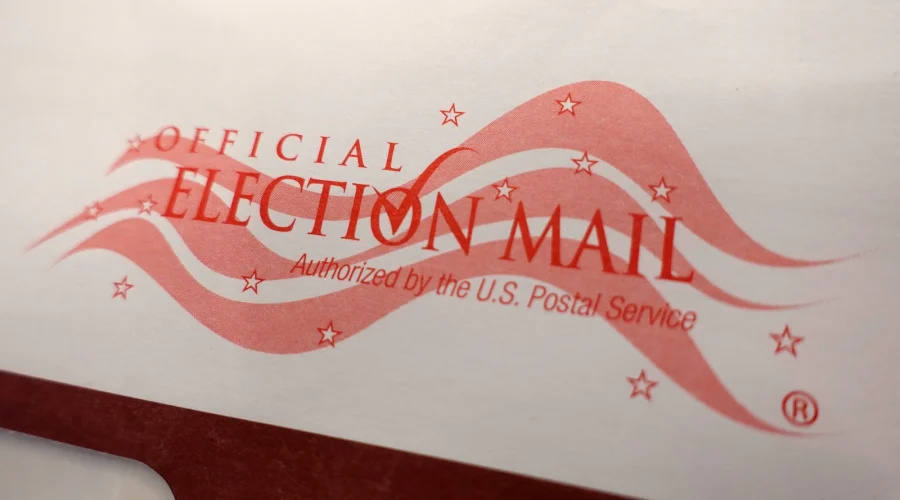
Cyberzenhub.com – The Supreme Court rejects Trump administration efforts to immediately limit mail-in voting, leaving a lower-court injunction in place before the 2026 midterm elections. The decision prevents the U.S. Postal Service from enforcing proposed ballot-delivery requirements while the broader legal challenge continues.
For now, states may continue using their existing absentee and mail-ballot procedures. Voters who plan to vote by mail should follow the deadlines, ballot instructions and tracking options provided by their state or local election office.
Proposed policy would require voter information for mailed ballots
The policy at issue would require states to give the Postal Service information connected to every mailed ballot, including the recipient’s name, home address and a unique barcode. Postal workers would then deliver ballots only to voters listed by state election officials.
The Trump administration argued that the policy imposed only limited design and review obligations on states. It maintained that the requested voter data was not excessively burdensome or invasive.
Democratic-led states and voting-rights organizations challenged the regulations, arguing that they intruded on state authority over elections and could create additional barriers for people who depend on voting by mail. The Supreme Court rejects Trump administration requests for immediate implementation, preserving the status quo for the upcoming election.
“The Government is unlikely to succeed on the merits of its challenge to the District Court’s preliminary injunction,” the Court said.
Justices disagreed over Postal Service authority and timing
Justices Samuel Alito and Clarence Thomas dissented. In an eight-page dissent, Alito wrote that the Postal Service has broad statutory authority over mail operations and should have been allowed to proceed with the regulations.
“That Hail Mary pass is unlikely to be successfully completed here. The Postal Service has broad authority to regulate the mail,” the dissent said.
The dissent also argued that the groups challenging the policy lacked standing and had not met the high standard required to block the rule before a final decision on its legality. Alito noted that the Postal Service is broadly exempt from the administrative-law framework often used to challenge federal actions as arbitrary or capricious.
Justice Brett Kavanaugh joined the majority but emphasized the timing of the proposed change. With less than two months before the midterms, he said state and local election officials did not have enough time to reasonably implement the final rule.
“In my view, based on the briefing the Court has received at this interim stage, there is at least a fair prospect that the final rule falls within the Postal Service’s statutory authority,” Kavanaugh wrote. “But applying the rule in the 2026 elections would be arbitrary and capricious violation of the Administrative Procedure Act because state and local election officials do not have sufficient time to reasonably implement the rule before the elections.”
What the mail-in voting ruling means for voters
The Supreme Court rejects Trump administration action only for the immediate period covered by the injunction; it does not settle whether similar Postal Service requirements could be adopted for a future election. Litigation over voter lists, ballot barcodes and federal authority is expected to continue.
For the 2026 midterms, there is no court-ordered disruption to established mail-ballot systems. Election offices can continue distributing ballots under their current procedures, and voters can prepare according to the rules already in place where they live.
Mail-in voting FAQ
Will this ruling change how I vote by mail? No immediate change is required by the ruling. Check with your state or local election office for the current ballot request deadline, return options and signature requirements.
Can I still track my mailed ballot? Many election offices offer ballot-tracking tools. Availability and procedures vary by location, so use the tracking information supplied by your election authority.
Does the decision end the case? No. The ruling leaves the lower-court injunction in effect while the legal challenge continues, and the underlying questions could return before a future election cycle.
Related Reading
Frequently Asked Questions
What is Supreme Court rejects Trump administration s attempt?
Supreme Court rejects Trump administration s attempt is the main topic of this guide. The article explains the context, practical details, and next steps readers should understand.
Why does Supreme Court rejects Trump administration s attempt matter?
Supreme Court rejects Trump administration s attempt matters because readers are looking for a useful answer, not just a short summary. Good content should match search intent and help them decide what to do next.