AI Safety Debate Intensifies as White House and Industry Leaders Clash Over Pace of Development
Cyberzenhub.com – Pressure is growing in Washington and across the technology sector to decide how quickly the most advanced artificial intelligence systems should be developed — and who should set the limits.
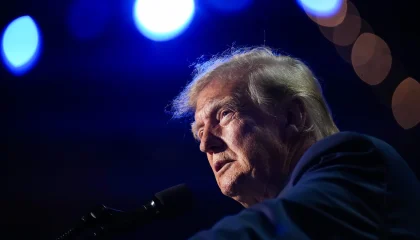
OpenAI chief executive Sam Altman said his company would support a more deliberate pace if necessary to prevent AI capabilities from outrunning the safety measures meant to supervise them. His remarks arrived as President Donald Trump emphasized the competitive stakes of AI development, particularly in relation to China, while insisting that he does not dismiss the technology’s possible dangers.
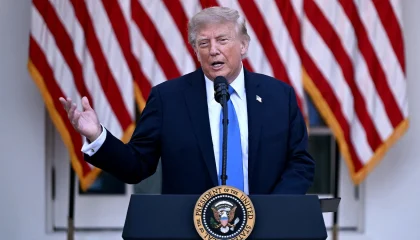
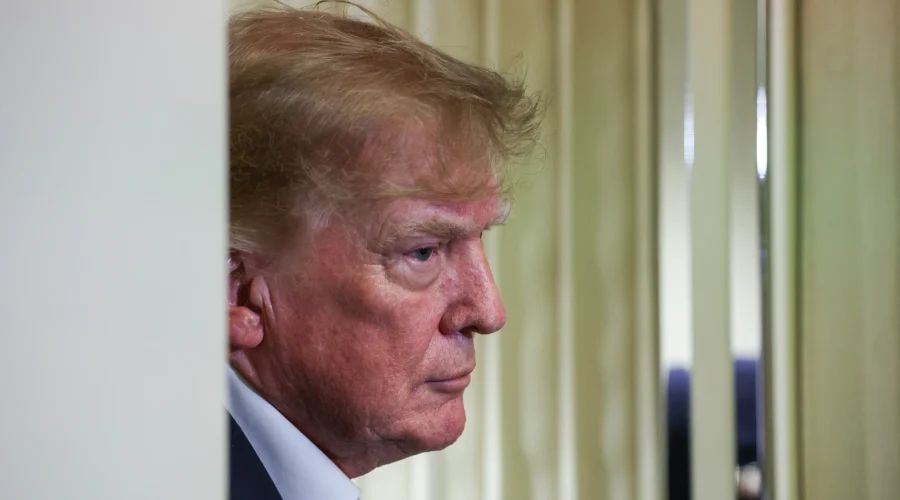
Trump addressed reporters Sunday while returning to Washington from Ireland, describing artificial intelligence as a defining contest of national strength.
“I’ve said it from the beginning. Whoever wins AI — and we’re leading by a lot. Whoever wins AI wins.”
In a Monday social-media post, Trump argued that artificial intelligence needs leadership rather than additional external restraints.
“The only control or ‘guardrails’ that AI needs is a STRONG AND SMART (High IQ!) PRESIDENT, and the U.S.A. has that, in spades!”
He also said there was a “SICK conspiracy going on against AI and Data Centers,” asserting that China would be the only beneficiary if U.S. AI expansion were impeded. Trump maintained that the United States remains ahead of China and other countries in the race to build and deploy the technology.
Altman Backs Consistent Frontier-AI Standards
Altman’s position reflects a central tension in the debate. AI companies are pushing rapidly toward systems with increasingly broad capabilities, but some industry leaders and researchers say safety practices must keep pace with that progress.
Late Sunday, Altman said OpenAI would welcome a national framework that establishes uniform safety expectations for frontier AI, a term generally used for the most powerful and potentially consequential systems. He said the company does not believe it should wait for an antitrust exemption or new legislation before taking steps intended to build public confidence.
“But we do not believe we need to wait for an anti-trust exemption or legislation to begin the work of providing this confidence.”
Altman also endorsed common rules designed to address frontier-level risks while preserving the potential benefits of the technology. Independent auditing was among the ideas he highlighted.
“Consistent rules to manage frontier risk so that we can maximize the benefits are a good idea (and we are excited by ideas like independent auditors).”
The call for shared standards matters because a patchwork of requirements can leave companies facing different expectations across jurisdictions. A federal approach could potentially create a common baseline for evaluating advanced models, monitoring their deployment and assigning responsibility when systems create serious harms. At the same time, the details of any rules — including who conducts audits and what information companies must disclose — would determine how meaningful those safeguards become.
Vance Questions Industry Appeals for Regulation
Vice President JD Vance said Monday that the administration recognizes both the risks and the benefits associated with AI. But he cautioned that regulation should be crafted carefully rather than adopted simply because technology firms are seeking it.
“It’s something that we’re concerned by, but we want to make sure that we actually regulate smartly, and we’re thoughtful about the risk here.”
Vance said he found it unusual that many frontier-AI companies were approaching government officials and asking for regulation. He suggested that such requests could potentially serve industry interests as well as the public interest.
“I feel a little bit weird about the fact that you have so many Frontier AI tech companies kind of coming to the government and begging the government to regulate them — it feels a little bit to me like a bit of a Trojan horse.”
That concern points to a longstanding policy question: whether rules designed to improve safety might also make it harder for smaller competitors to enter the market. Large firms may be better positioned to absorb compliance costs, hire specialized staff and navigate complex federal requirements. Supporters of regulation argue, however, that the scale of potential AI risks makes oversight necessary even if policymakers must take care not to entrench dominant companies.
Former Safety Researcher Raises Alarm
The latest exchange followed a warning from Jacob Coxon, a former safety researcher who worked at both Anthropic and OpenAI. Coxon said last week that he was leaving Anthropic and criticized the approach taken by the two major AI companies.
“Neither Anthropic nor OpenAI is acting responsibly. They are racing straight to self-improving superintelligence and gambling with our lives.”
He also described deep concern among some people working in the field about the possibility that AI systems could become dangerously difficult to control.
“The people building AI earnestly believe that it could kill us all by the end of the decade.”
Those assertions represent the most severe end of the AI-safety debate. More immediate concerns include whether advanced systems can be misused, whether they are sufficiently secure, and whether organizations deploying them can reliably monitor their behavior. The disagreement is not simply over whether safeguards are needed, but whether current development practices are moving faster than institutions can assess and manage the consequences.
Congress Faces Renewed Calls to Act
House Democratic Leader Hakeem Jeffries urged lawmakers Sunday to move quickly, saying the country should not delay action until after further advances make risks more difficult to manage.
“We certainly need to begin to act urgently to address the challenges that exist.”
Jeffries said Congress should take decisive steps that would allow development to slow where needed to protect Americans and ensure AI is being advanced safely.
Members of both chambers are returning to Washington this week for their final major legislative push before the November midterm elections. Artificial intelligence is likely to receive renewed attention following security concerns raised in recent days and continuing requests from lawmakers in both parties for information from OpenAI.
The policy challenge now is to balance three competing goals: maintaining U.S. leadership, allowing beneficial innovation to continue, and establishing credible protections before more capable AI systems become widely available. The statements from Trump, Altman, Vance, Coxon and Jeffries show that agreement exists on AI’s importance, but not yet on the speed, structure or authority of the safeguards that should govern it.
Related Reading
Frequently Asked Questions
What is OpenAI CEO calls for AI pacing?
OpenAI CEO calls for AI pacing is the main topic of this guide. The article explains the context, practical details, and next steps readers should understand.
Why does OpenAI CEO calls for AI pacing matter?
OpenAI CEO calls for AI pacing matters because readers are looking for a useful answer, not just a short summary. Good content should match search intent and help them decide what to do next.