Federal Reserve Lifts Rates as Inflation Pressures Intensify
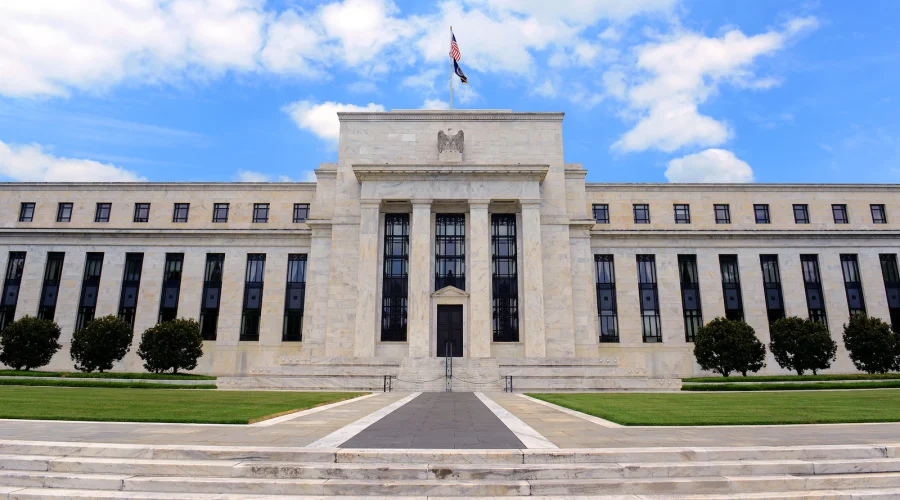
Cyberzenhub.com – The Federal Reserve raised its benchmark interest rate by one-quarter of a percentage point on Wednesday, its first increase since July 2023, as policymakers responded to inflation that has accelerated during the Iran war.
The decision placed the federal funds rate in a range of 3.75% to 4%. While that is well below the levels reached in 2023, it remains far above the near-zero setting used at the beginning of the COVID-19 pandemic. The move signals that the central bank sees renewed price pressure as a threat serious enough to warrant higher borrowing costs.
All 12 members of the Federal Reserve’s policymaking committee supported the increase. The unanimous vote followed a July meeting in which the Fed left rates unchanged, despite three officials favoring a hike. That earlier split represented the largest number of policymakers dissenting in the same direction in a decade.
The plain fact is that inflation is too high and has been for too long. The committee’s unanimous vote shows our resolve to achieve price stability on a timelier basis.
Fed Chair Kevin Warsh delivered those remarks at a Washington, D.C., news conference after the decision. Warsh, who became head of the central bank in May, has repeatedly emphasized that controlling elevated prices must be the institution’s central concern.
Speaking at the Federal Reserve’s annual Jackson Hole gathering in Wyoming last month, Warsh framed the challenge directly.
The Fed’s predominant focus right now should be on prices.
Inflation Remains Well Above the Fed’s Goal
Consumer prices increased 3.4% in August from the same month a year earlier, matching the annual pace recorded in July. That leaves inflation more than one percentage point above the Federal Reserve’s long-standing 2% target.
The latest surge has been closely tied to energy costs. Global oil prices remained near a four-month high, with crude trading above $105 per barrel on Wednesday. That represented an increase of roughly 50% since the Iran war began in late February.
Drivers have seen the impact at filling stations. The nationwide average for a gallon of regular gasoline reached $4.36, more than $1.30 above the level before the conflict. Earlier in the week, the average had already risen above $4.30. Higher diesel prices have also added to the cost of moving goods, creating pressure on the prices consumers encounter in supermarkets, clothing stores and furniture retailers.
The conflict began after a large-scale U.S.-Israeli attack in the winter and has reshaped oil markets. Iran’s near-closure of the Strait of Hormuz disrupted a route that normally carries about one-fifth of the world’s crude supply. Saudi Arabia then halted a key pipeline that bypasses the strait over the weekend, tightening available delivery routes and adding further upward momentum to oil prices.
Higher Rates Reach Households Gradually
The Federal Reserve does not set the interest rate on a mortgage, auto loan or credit card directly. Its benchmark rate instead influences financial conditions throughout the economy. When the Fed raises rates, banks and lenders often face higher funding costs, which can eventually be reflected in the rates paid by consumers and businesses.
That connection is particularly important as a recent bond selloff has already pushed borrowing costs higher. Mortgage rates can move with longer-term bond yields, while credit-card annual percentage rates often respond more closely to changes in short-term rates. Consumers carrying revolving balances may therefore feel the effect of the latest Fed action sooner than households with fixed-rate loans.
For savers, higher rates can sometimes improve returns on certain bank accounts and newly issued certificates of deposit. The benefit, however, may be uneven and depends on how quickly individual financial institutions adjust their offerings. The broader purpose of the Fed’s move is not to reward saving or punish borrowing, but to slow demand enough to bring inflation back toward its target.
That balancing act has become more difficult because the U.S. economy continues to display resilience despite the price shock. Employers added 162,000 jobs in August, a strong result that showed continued durability in the labor market. Economic output also expanded in the three months ending in June, countering fears that the Iran war would immediately push the country into a downturn.
A Difficult Tradeoff for Policymakers
The strength of hiring and growth gives the Federal Reserve some room to focus on inflation, but it also complicates the outlook. Rate increases are intended to reduce price pressure by making borrowing more expensive and restraining spending. If policy becomes too restrictive, however, it can weaken business investment, hiring and household demand.
Central bankers had previously been divided over that risk. Some officials were concerned that acting too aggressively could cool the economy and damage the labor market, while others believed waiting would allow inflation to become more entrenched. Wednesday’s unanimous decision suggests that the committee now sees the inflation threat as requiring a coordinated response.
Energy-driven inflation can be especially difficult for monetary policy to address. The Federal Reserve cannot reopen shipping routes, increase oil supplies or lower gasoline prices directly. Its tools instead work through demand and financial conditions. That means households may continue to face expensive fuel and transport-related costs even as higher rates begin to affect the wider economy.
The central bank’s next steps will depend on whether inflation begins to ease, how long energy disruptions persist and whether the labor market remains strong. For now, the rate increase marks a clear shift after more than three years without a hike: the Federal Reserve has renewed its campaign to restore price stability while trying to avoid a deeper economic slowdown.
Related Reading
Frequently Asked Questions
What is Federal Reserve raises interest rates?
Federal Reserve raises interest rates is the main topic of this guide. The article explains the context, practical details, and next steps readers should understand.
Why does Federal Reserve raises interest rates matter?
Federal Reserve raises interest rates matters because readers are looking for a useful answer, not just a short summary. Good content should match search intent and help them decide what to do next.