Why More Midterm Candidates Are Skipping Debates
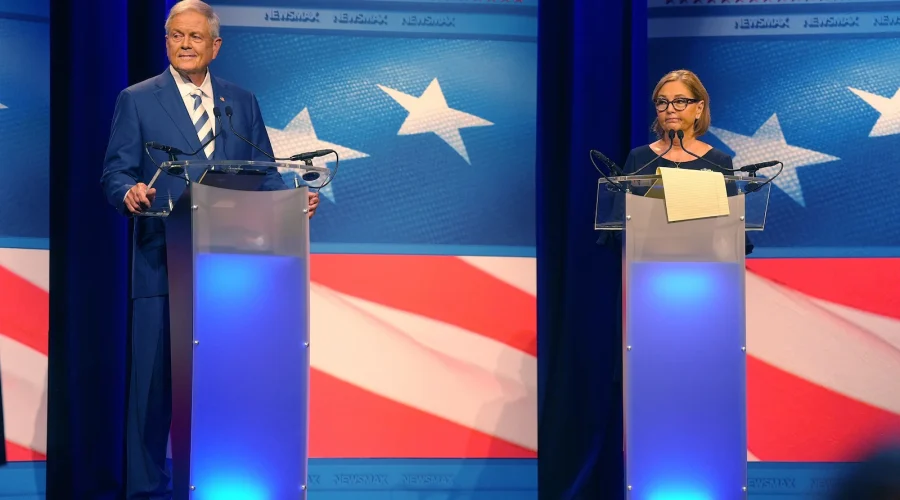
Cyberzenhub.com – Midterm candidates dumping debates is becoming a notable feature of the 2026 campaign season, leaving voters with fewer chances to see leading opponents answer the same questions on the same stage. In major races for governor and the U.S. Senate, many candidates have not scheduled a debate with their principal-party rival.
The trend is especially pronounced in gubernatorial contests. Thirty-six governorships are on the ballot, and 21 races have no debate planned between the two major-party nominees. That includes toss-up races in Georgia, Nevada and Ohio, where a small change in voter sentiment could be decisive.
The contrast with recent election years is substantial. In 2018, just two of 36 gubernatorial contests—Alabama and Nevada—went forward without a debate. Eight of 36 lacked one in 2022. The current number is considerably higher.
Senate races show a similar pattern
Debate absences also extend to the Senate map. Of the 35 Senate seats being contested in 2026, 21 have no debate scheduled between the major candidates, including closely watched contests in Ohio and Texas. In 2024, nine of 34 Senate races had no debate, while 14 of 35 did not hold one in 2022.
For campaigns, avoiding a debate can limit the possibility of an unexpected mistake or a moment that spreads rapidly through television and social media. Candidates who decline often contend that voter events, advertising and interviews are more useful ways to explain their positions.
Critics say the decision removes an important form of direct comparison. Unlike a campaign rally or a tailored interview, a debate puts opponents before the same audience, requires real-time answers and can show how candidates explain disagreements under pressure.
Campaigns offer different reasons for saying no
In Ohio’s gubernatorial race, Democratic candidate Dr. Amy Acton has declined to debate Republican Vivek Ramaswamy. Acton said she did not want to provide a platform for what she called his “baseless lies,” referring to claims in political advertising that she considers false. Ramaswamy has urged her to debate him.
“Baseless lies”
In Alabama, Republican Sen. Tommy Tuberville, who is running for governor, chose not to debate Democratic opponent Doug Jones. Tuberville told a local television station that the contrast between their views was already evident, while Jones has continued to press for debates.
“There’s so much difference between us. I mean, there’s no reason to get up there and argue about differences of opinion.”
Texas has produced another high-profile example. Republican Senate candidate Ken Paxton initially agreed earlier in the summer to debate Democratic state Sen. James Talarico. WFAA’s offers to host a debate had not received a response from Paxton’s campaign, and Talarico later challenged him to debate on Fox News. Paxton’s campaign had not responded to requests for comment about whether he would participate.
Paxton did not debate during previous campaigns for attorney general, making the uncertainty consistent with his past approach to statewide races. Meanwhile, Arizona Gov. Katie Hobbs is declining a debate for the second consecutive election cycle. Her campaign has argued that face-to-face engagement with Arizonans is more effective than a format focused on short soundbites and political theater.
“Face-to-face engagement with Arizonans is more effective than a stage designed for short soundbites and political theater.”
What voters lose without a shared stage
Midterm candidates dumping debates does not mean voters have no access to campaign information. Candidates can still speak at events, buy advertising, give interviews and publish policy positions. Those formats, however, do not necessarily force rivals to address each other’s arguments or respond to identical questions.
A debate may reveal how a candidate listens, reacts to criticism and explains a policy difference. For undecided voters, those unscripted moments can provide information that campaign ads and prepared appearances cannot easily deliver.
Frequently asked questions
Why are candidates declining debates? Campaigns may see limited benefit and meaningful risk in a live, unscripted event. Some argue that direct voter outreach, interviews and advertising communicate their message more effectively.
Are debates required in U.S. elections? No. Candidates are generally not required to debate, even in competitive statewide contests.
How can voters compare candidates when no debate is scheduled? Voters can review candidate interviews, public appearances, campaign materials and reporting on each candidate’s positions and record. Comparing answers to the same policy issues can help create the side-by-side assessment a debate would otherwise provide.