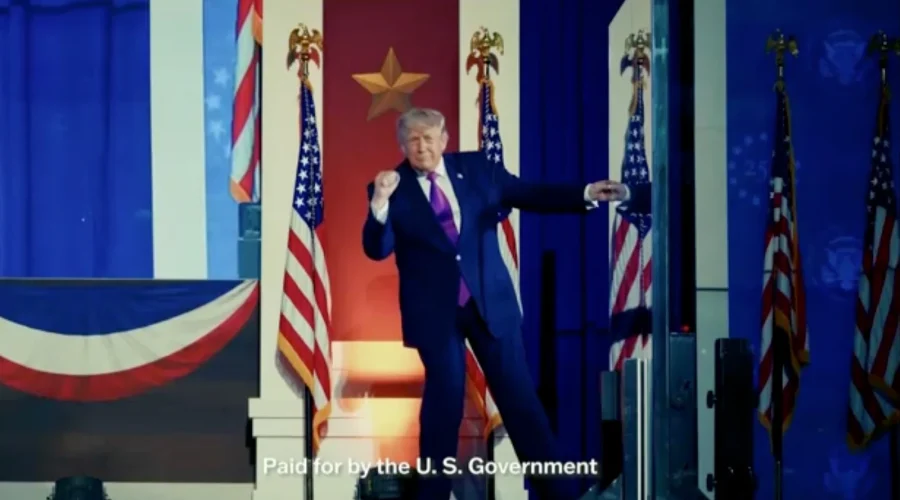
Homeland Security Funds Used for Television Ads Featuring Trump
Cyberzenhub.com – Television advertisements featuring President Donald Trump began appearing on major networks shortly after federal funds were transferred into a U.S. Customs and Border Protection account designated for “commemorative events,” raising new questions about the use of taxpayer money for presidential messaging.
Federal budget records show that money was moved into the CBP account on Sept. 19. The following day, federal contract data listed a $20 million award to LMD Agency, a Maryland advertising firm, for a “National Media Campaign.” The ads started running within days.
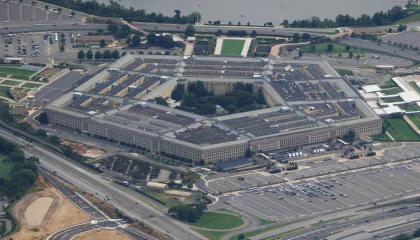
CBP operates within the Department of Homeland Security and is responsible for securing the country’s borders and ports of entry. The funding appears to come from the tax-and-spending law signed by Trump in 2025, which included $6.2 billion for border-security improvements and for commemorating border-security-related work and events.
Ads aired during high-profile programming
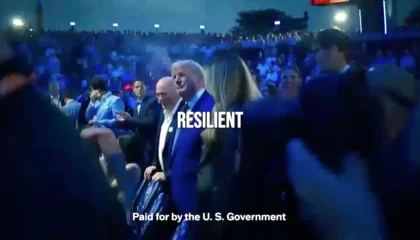
One spot aired Sunday during NBC’s “Meet the Press.” It showed Trump delivering remarks at Mount Rushmore connected to the nation’s 250th anniversary. Another commercial ran during college football on Fox on Saturday and later appeared on “Fox News Sunday.”
The latter advertisement had previously been used in a Trump campaign ad in 2023. Its reappearance as part of a government-funded media effort has intensified scrutiny over whether public funds are being used for material that closely resembles political promotion.
Advertising-monitoring firm AdImpact estimated that at least $1.7 million had been spent to air three separate Trump-focused television ads in recent days. That estimate covers television, digital and connected-TV advertising activity tracked by the company.
LMD Agency did not immediately provide a response to requests for comment. DHS directed questions about the campaign to the White House.
White House calls the commercials public service announcements
The White House has characterized the advertisements as public service announcements rather than campaign material. Officials have compared the effort with messaging campaigns used by previous administrations to inform the public about Medicare drug coverage and enrollment through Affordable Care Act insurance exchanges.
A White House spokesperson said the ads were intended to promote national pride and emphasize the value of defending the country.
“These public service announcements are about reminding Americans to love their country and understand what makes it worth defending, at home, at our borders, and abroad. The ad is educational and unapologetically patriotic. We should be proud of our country.”
DHS has previously used advertising campaigns for immigration-related outreach, including multimillion-dollar efforts urging people living in the United States illegally to leave voluntarily. Those campaigns were tied more directly to the department’s immigration-enforcement and border-management responsibilities.
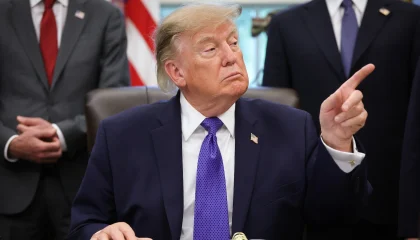
The current ads have drawn attention because they prominently feature the president himself, including footage associated with patriotic events and nationally televised programming. Supporters of the administration’s position can view the campaign as government communications about border security, citizenship, and national identity. Critics argue that the presentation goes beyond ordinary public information and could function as political image-building.
Senate Democrats seek details from DHS
Democrats on the Senate Appropriations Committee responded with a letter to Homeland Security Secretary Markwayne Mullin. They requested a detailed accounting of the money used for the ads, information about whether the campaign will continue, and clarification of DHS’s role in arranging the broadcasts.
The lawmakers also challenged the legal basis for the effort. Critics have said the campaign could conflict with federal restrictions on propaganda, which generally limit government agencies from using appropriated money for publicity intended to influence public opinion in ways not authorized by Congress.
“The American people deserve answers about how this president is literally stealing their tax dollars to air campaign ads celebrating himself — while doing nothing to help them afford health care or housing,” the letter says.
The dispute centers on how broadly the phrase “commemorating efforts and events related to border security” can be interpreted. Congress authorized funding that included commemorative purposes, but the televised campaign’s connection to that authority is now under examination. The timing of the fund transfer, contract award, and subsequent broadcasts has become a major focus of the questions raised by lawmakers.
For viewers, the controversy illustrates the difference between campaign advertising and government communications. Campaign ads are financed through political organizations and are subject to election-law disclosure requirements. Public service announcements are paid for by government agencies and are generally framed as education or public outreach. When a government-financed message features an elected official prominently, the distinction can become politically and legally contentious.
Further information from DHS and the White House could determine whether the advertisements remain a limited commemorative campaign or develop into a broader national media effort. The Senate committee’s requests are likely to keep attention on the contract, the source of the funds, and the standards governing how federal agencies communicate with the public.
Related Reading
Frequently Asked Questions
What is Pro Trump ad campaign was financed?
Pro Trump ad campaign was financed is the main topic of this guide. The article explains the context, practical details, and next steps readers should understand.
Why does Pro Trump ad campaign was financed matter?
Pro Trump ad campaign was financed matters because readers are looking for a useful answer, not just a short summary. Good content should match search intent and help them decide what to do next.