Ro Khanna Proposes Nearly $1 Trillion Childcare Plan Ahead of Midterms
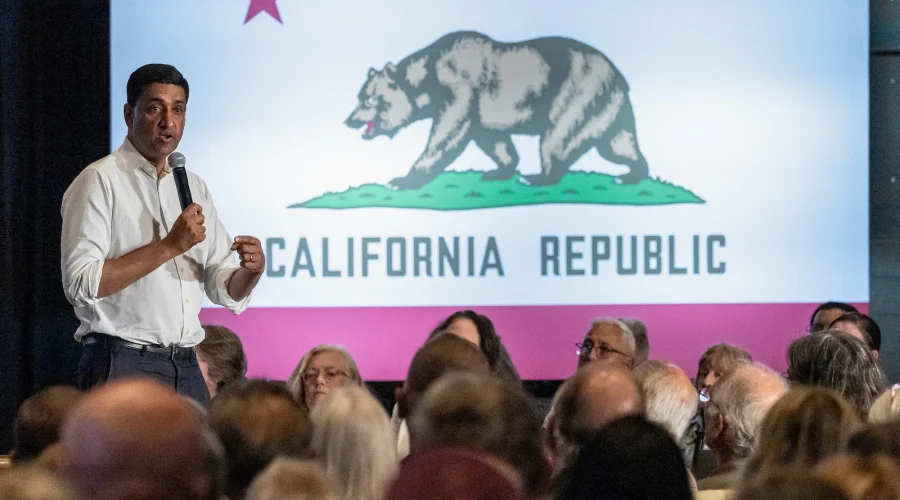
Cyberzenhub.com – Rep. Ro Khanna is preparing to introduce a sweeping proposal intended to make child care free for families across the United States, placing the issue at the center of his policy agenda before the midterm elections.
The California Democrat’s Free Child Care for America Act would devote nearly $1 trillion over 10 years to establishing a universal child care system. The plan is designed to give families several publicly supported options rather than steering them toward a single arrangement.
Khanna has been traveling widely while supporting progressive candidates and campaigning ahead of the midterms. The proposal also adds to a growing body of legislation he has framed as part of “America’s next new deal,” an agenda that could shape a future national political profile as 2028 approaches.
A three-part approach to child care
The legislation would create three taxpayer-funded routes for eligible families to obtain care. Its core goals include helping states and tribal organizations pay for licensed child care, increasing the availability of care, assisting providers with operating expenses and improving wages throughout the child care workforce.
Khanna argues that a national system must be large enough to address both affordability for parents and compensation for workers who provide care. He estimated that a serious effort would require between $80 billion and $90 billion annually.
“If you want to do this right, it’s going to be an $80 to $90 billion price tag,” Khanna said. “That’s what it takes to make childcare free. That’s what it takes to pay people well, and that’s what it’s going to take to make it flexible.”
For families, flexibility is a central feature of the proposal. Parents may need care in licensed centers, through relatives, from friends or in other arrangements that fit their work schedules and household needs. Khanna has said public policy should recognize those differences rather than favoring one model of care.
“It should be value neutral between staying at home, going to a childcare center, or having friends or family, and that is maximizing the choice,” Khanna said.
How Khanna says the plan could be funded
The package’s cost would be close to $1 trillion over a decade, and Khanna has pointed to several possible ways to offset that spending. Among them are savings from ending the war in Iran, collecting an estimated $400 billion through a 5% tax on billionaires, or reducing Pentagon spending by $200 billion.
Those ideas would require major political agreement in Washington. The proposal therefore serves not only as a legislative measure but also as a statement of priorities for the debate over federal spending, household costs and economic policy.
“What this childcare proposal — in my view — is speaking to [is] the needs of working class families, and it’s something we can deliver,” Khanna said.
The emphasis on child care reflects a broader concern among many households: care can be essential for parents who work, seek employment, attend school or manage demanding schedules. When reliable options are limited or costly, families can face difficult choices about income, time and career opportunities.
Khanna has described the bill as a “north star” for the kind of policy he believes Congress should enact. Introducing it before the midterms allows him to make child care a visible part of the election-year discussion over economic security.
A contrast with the administration’s approach
The proposal arrives as Vice President JD Vance promotes an administration plan to expand federal child care subsidies by as much as $9,000 a year for married couples with a stay-at-home parent.
Khanna has drawn a distinction between that approach and his own. He maintains that families should receive meaningful support whether a parent stays home, a child attends a care center or relatives and friends help provide care.
“Vance’s proposal is trying to tip the scales a bit on the choice of people who are stay-at-home parents,” Khanna said.
The competing approaches highlight a larger policy question: whether federal support should be structured around particular family arrangements or designed to help households choose the care setting that works best for them. Khanna’s legislation is built around the latter idea, with public funding intended to make multiple choices more financially accessible.
Personal experience and economic security
Khanna has connected his interest in the issue to his upbringing in Bucks County, Pennsylvania, and to his experience raising two children while working a demanding job. The five-term congressman, whose wealth has been estimated in the hundreds of millions of dollars, said parenthood has strengthened his appreciation for the work involved in caring for young children.
“I believe there’s nothing more important than being there for kids at a young age, and I have an extraordinary wife who’s an exceptional mom,” Khanna said. “It has given me an admiration for parents who do incredibly, incredibly hard work, and my view is that we’ve got to make it possible for parents who want to give their kids the best ability to do that.”
He said child care did not carry the same exceptionally high costs during his middle-class childhood and argued that reducing today’s burden could give more people greater stability in a modern economy.
“Childcare is one of those things that didn’t have the same exorbitant cost, and if we can fix that issue, provide people with childcare, you’re going to give more Americans the shot to have economic security in a modern economy,” Khanna said.
For Khanna, that objective is tied to what he calls economic patriotism: the belief that Americans should have a practical path toward independence and security. Whether his proposal can gain traction will depend on the political debate over its scale, funding and implementation, but it places child care firmly among the economic issues likely to shape the coming campaign season.
Related Reading
Frequently Asked Questions
What is Rep Ro Khanna unveils universal childcare?
Rep Ro Khanna unveils universal childcare is the main topic of this guide. The article explains the context, practical details, and next steps readers should understand.
Why does Rep Ro Khanna unveils universal childcare matter?
Rep Ro Khanna unveils universal childcare matters because readers are looking for a useful answer, not just a short summary. Good content should match search intent and help them decide what to do next.