Emergency Calls Detail Crisis During Christa Pike Execution Attempt
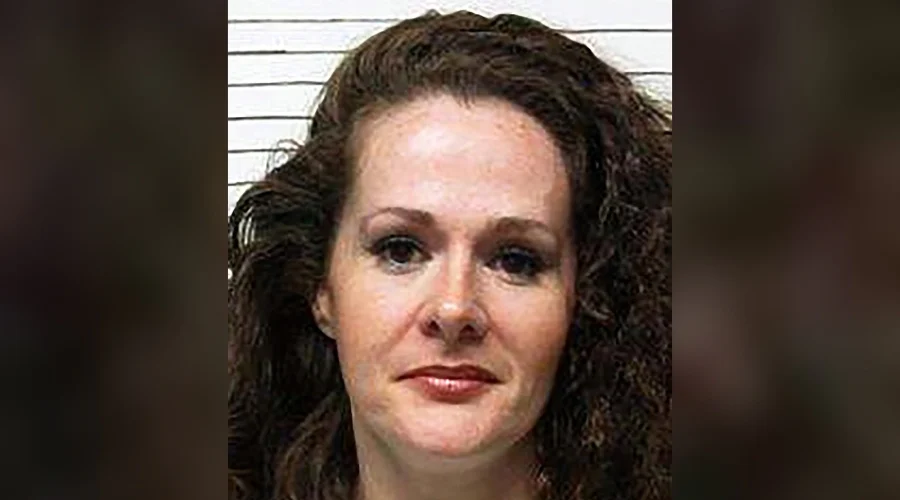
Cyberzenhub.com – Emergency calls from the night of Christa Pike’s halted execution describe prison officials seeking an ambulance after two doses of pentobarbital failed to cause her death within roughly an hour.
The calls, placed from Riverbend Maximum Security Institution in Nashville on Sept. 30, show a rapidly escalating medical emergency involving Pike, Tennessee’s only woman on death row. At 8:40 p.m. CT, a caller told Metro Nashville Emergency Communications Center staff that the prison had administered 10 grams of pentobarbital but that the execution had not been completed.
“We’ve been carrying out an execution tonight. We’ve administered 10 grams of pentobarbital. The person is not yet deceased. That started approximately 1 hour ago. And we’re calling for an ambulance.”
When the dispatcher asked about Pike’s condition, the caller said her breathing was abnormal.
“No. The breathing is very labored and slow.”
The caller was unable to answer whether she had chest pain, explaining that Pike was unconscious at the time.
Attorney Requested Immediate Care
At 9:08 p.m. CT, Kelly Gleason of the Tennessee Office of the Post Conviction Defender called 911 separately and asked for emergency treatment. Gleason said Pike remained alive, was breathing, and required urgent life-saving intervention.
During that call, Gleason described Pike as not awake and said she was snoring. The dispatcher said efforts were underway to send Tennessee Highway Patrol personnel to the prison.
Additional recordings reveal that emergency communications staff were attempting to establish what had occurred at the prison and whether responders could enter the facility. Around 9 p.m., a Metro Nashville Emergency Communications Center employee contacted Tennessee Department of Correction Central Control to confirm what she characterized as a failed execution.
“We have responders that are standing by. We’re just trying to verify.”
The person reached at Central Control said no call had been placed from that facility. The confusion created a delay as emergency personnel waited for confirmation and access to the secure prison grounds.
Three minutes after Gleason’s 911 call, a Metro Nashville emergency communications employee contacted Tennessee Highway Patrol dispatch and requested a trooper at Riverbend. EMS personnel were at the scene but could not enter the prison without an officer present.
The caller said personnel at the gate had told EMS to enter because an ambulance was needed and the emergency was real, rather than a false report intended to draw a response. Still, the security requirements prevented the ambulance crew from proceeding without law enforcement assistance.
Initial Call Withheld, Written Account Released
The first 911 call itself was classified as exempt from public release under Tennessee law. Metro Nashville Emergency Communications Center issued a written account after reviewing the recording, describing it as a good-faith effort to provide further information about the initial request for medical help.
The released audio and transcript offer a clearer picture of the emergency response surrounding an execution that ultimately did not result in Pike’s death. Emergency vehicles later arrived at Riverbend Maximum Security Institution as the situation unfolded on Sept. 30, 2026.
Pike was initially placed on a ventilator after the attempt. Her attorneys said she regained consciousness nearly a week later. She was later released from the hospital and returned to prison, her legal team said Saturday.
Background on Pike’s Case
Pike was sentenced to death following her conviction in the 1995 killing of 19-year-old Colleen Slemmer. Her case has drawn heightened attention because she is the sole woman held on Tennessee’s death row and because the execution attempt involved a survival after lethal-injection drugs had been administered.
The Death Penalty Information Center has said Pike is the first person publicly known to have survived a lethal injection after receiving execution medications. Its executive director described the incident as unprecedented in the modern era of botched executions.
In the months before the execution attempt, Pike’s attorneys had challenged the planned use of the drugs. They argued that the medications created a substantial risk of severe pain and suffering. Her lawyers later said she suffered burns on her arms from pentobarbital.
The 911 calls underscore the difficult circumstances created when a prison execution turns into an ongoing medical emergency. They show prison personnel, attorneys, dispatchers, EMS crews and state law enforcement navigating immediate questions about Pike’s breathing, consciousness, access to the facility and the need for urgent treatment.
The episode also places renewed focus on the procedures governing lethal injections, emergency medical intervention and public disclosure when an execution does not proceed as expected. Pike’s return to prison followed a hospitalization that began with the extraordinary circumstance described in the calls: a person who had received two lethal doses of sedative medication but was still alive more than an hour later.
Related Reading
Frequently Asked Questions
What is 911 calls released in Christa Pike?
911 calls released in Christa Pike is the main topic of this guide. The article explains the context, practical details, and next steps readers should understand.
Why does 911 calls released in Christa Pike matter?
911 calls released in Christa Pike matters because readers are looking for a useful answer, not just a short summary. Good content should match search intent and help them decide what to do next.