Heavy Rain Forces Evacuation of Moab 240 Participants in Utah
Cyberzenhub.com – Roughly 70 runners and volunteers were safely removed from the Moab 240 ultramarathon course on Sunday after severe rainfall left them unable to leave remote sections of southeastern Utah overnight.
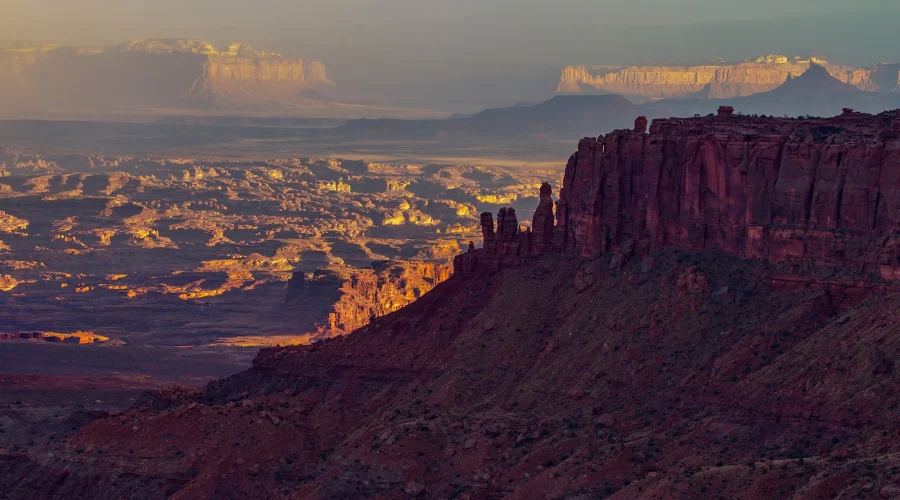
The evacuation involved participants sheltering near an aid station by Bridger Jack Mesa in Bears Ears National Monument. The area is part of the rugged landscape used by the endurance event, where distances between access points can be substantial and changing weather can quickly affect travel conditions.
The San Juan County Sheriff’s Office worked with race organizers to assist those stranded by the storm. By Sunday afternoon, buses were transporting the final affected group away from the course.
A Race Halted by Conditions
Moab 240 is an ultramarathon covering 241.8 miles through desert terrain, canyon country, slick-rock formations and two mountain ranges. Its route runs through landscapes near Canyonlands and Arches national parks, making it one of the more demanding long-distance trail events in the region.
The race began Friday in Moab and had been scheduled to continue through Tuesday. Instead, heavy rain changed conditions on portions of the course and made a normal departure unsafe for runners and support crews.
Organizers said they had moved additional supplies to the aid station before the weather worsened. Those supplies included heated tents, hot meals and water for runners and volunteers waiting to be evacuated.
“We know this isn’t how anyone hoped Moab 240 would go. So many of you trained for months and traveled a long way to be here, and we’re truly sorry the race ended this way. Sometimes the weather has other plans, and when it does, everyone’s safety has to come first.”
For ultramarathon participants, aid stations are central points for food, hydration, medical support and logistical assistance. In this case, the station also provided a place to wait while transportation was arranged and conditions were evaluated.
Storm System Brings Flooding Risk Across the West
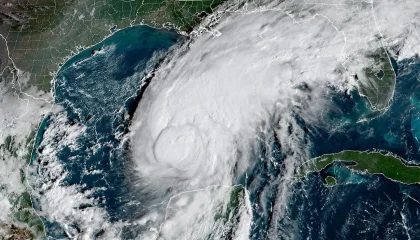
The weather disruption came as the remnants of Tropical Storm Rachel moved across western states after making landfall in Baja California. The system brought flood concerns to Utah and other areas of the West, including Arizona and Nevada.
Heavy rainfall can create particular hazards in southern Utah’s canyon and desert landscapes. Roads and trails that appear passable in dry weather may become difficult or unsafe when rain affects washes, slick rock and low-lying routes. Event staff and local responders must also consider whether vehicles can safely reach remote stations before beginning an evacuation.
The same broader weather pattern was also connected to hazardous coastal conditions in Southern California. Large ocean swells associated with Rachel, combined with prolonged swells partly linked to an El Niño-enhanced Kelvin wave, contributed to coastal flooding concerns there.
While the conditions varied by location, the storm system underscored how a weather event can affect communities and outdoor activities across a wide section of the western United States at the same time.
Safety Takes Priority on Remote Endurance Courses
Long-distance trail races require extensive planning because athletes can be spread across large areas for days at a time. The Moab 240 route’s appeal is closely tied to its isolated terrain and dramatic scenery, but those same features can complicate communications, transportation and weather response when conditions deteriorate.
Race organizers and emergency personnel focused on bringing everyone out safely rather than attempting to continue the event. The presence of warm shelter, food and water at the affected aid station helped support participants during the overnight delay.
The evacuation ended without any indication that runners or volunteers remained stranded on the course. For those who had prepared for months and traveled to Moab for the race, the weather-related ending was an abrupt change from their expected challenge. Still, the decision reflected the reality that endurance events in remote environments depend on conditions that can shift beyond anyone’s control.
The incident serves as a reminder for trail runners, volunteers and spectators that desert races are not defined only by heat and distance. Rain, flooding threats and access limitations can become equally important factors, especially when a course crosses remote public lands and rugged backcountry terrain.
Related Reading
Frequently Asked Questions
What is 70 ultramarathon runners evacuated after being?
70 ultramarathon runners evacuated after being is the main topic of this guide. The article explains the context, practical details, and next steps readers should understand.
Why does 70 ultramarathon runners evacuated after being matter?
70 ultramarathon runners evacuated after being matters because readers are looking for a useful answer, not just a short summary. Good content should match search intent and help them decide what to do next.