
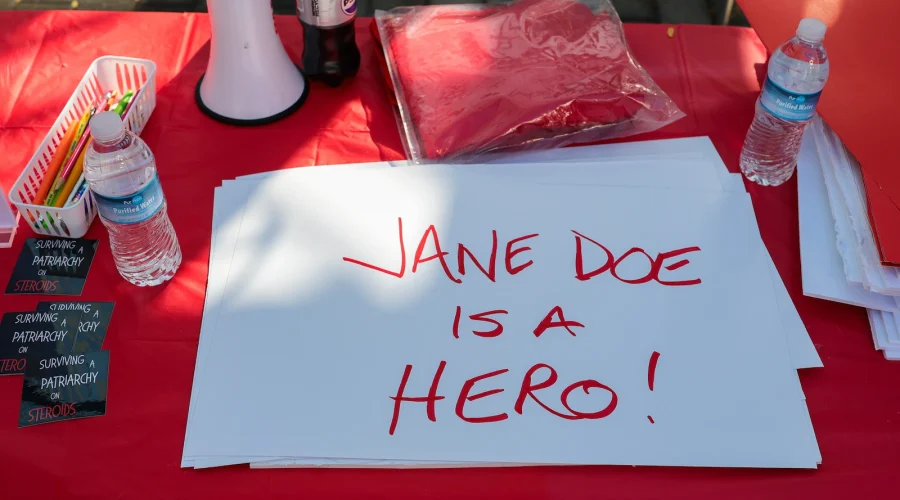
Jane Doe in Cornell Lawsuit May Remain Anonymous
Cyberzenhub.com – Jane Doe in Cornell lawsuit may continue using a pseudonym in her civil sexual assault case, after a New York judge ruled that the former student’s privacy and safety concerns outweighed the usual expectation that parties in court cases be publicly identified.
The lawsuit names Cornell University and seven fraternity members as defendants. The complaint alleges that the plaintiff was drugged and gang-raped at the Chi Phi fraternity house in October 2024. The seven men have denied wrongdoing, and no criminal charges have been filed in connection with the allegations.
Judge Phaedra Perry-Bond cited the intense public attention surrounding the case and reports of efforts to identify or harass people connected to it. The decision allows the plaintiff to pursue her claims without her name appearing publicly in the litigation.
Judge Warns Against Doxxing and Threats
In her order, the judge cautioned that attempts to expose private identities, harass individuals online or encourage threats could carry serious consequences. The warning applied not only to the plaintiff, but also to the defendants and attorneys involved in the case.
“While the Court is cognizant that some members of the public have made it their mission to try and identify Jane Doe, and have likewise tried to use what they believe to be Jane Doe’s identity to harass and threaten certain individuals allegedly tied to her, the Court issues the following words of caution: cyberstalking and engaging in or encouraging threats across state lines, whether it be of Jane Doe, any of the named defendants, or their attorneys, can be considered a federal crime and perpetrators of those acts may be subjecting themselves to prosecution,” Judge Phaedra Perry-Bond wrote.
The ruling highlights a recurring challenge in prominent legal disputes: public interest does not permit people to publish personal information or intimidate those involved. Online harassment, doxxing and threats can affect plaintiffs, defendants, lawyers and families long before a case reaches trial.
Jane Doe’s attorney, Thomas Giuffra, has said that the plaintiff and her family have experienced threats, doxxing and other harassment. The court’s decision is intended to let the case proceed while limiting the risk that the plaintiff will be publicly identified through court records.
Why Anonymity Matters in Civil Sexual Assault Claims
Courts do not automatically permit a civil plaintiff to proceed anonymously. Judges generally balance the public’s interest in open court proceedings against a person’s need for privacy, safety and protection from retaliation. In the Jane Doe in Cornell lawsuit, the judge determined that the reported risks and high level of attention justified continued anonymity.
For people bringing claims involving alleged sexual violence, public identification can raise concerns beyond the lawsuit itself. They may face unwanted attention, safety fears, reputational harm and lasting effects on their personal lives. At the same time, courts must preserve fairness for defendants and maintain public confidence in the legal process.
The decision does not resolve the allegations in the lawsuit. It addresses how the plaintiff will be identified while the civil case moves forward. The defendants’ denials remain part of the pending litigation, and the court has not made a final finding on the underlying claims.
Separate Reviews and Investigations Continue
The civil lawsuit is unfolding alongside other responses to the allegations. New York Attorney General Letitia James, appointed by Gov. Kathy Hochul, is conducting an investigation into the incident. Cornell has said it supports the appointment of a special prosecutor.
Cornell is also reviewing its response to the allegations. The university has said it takes claims of sexual violence extremely seriously, investigated and adjudicated the matter under its policies, and is committed to additional measures intended to strengthen campus safety.
The plaintiff has said she felt unsupported and disbelieved by Cornell President Michael Kotlikoff. Her claims about the university’s response are now before the court, while the university review and state investigation continue independently.
FAQ: Cornell Lawsuit and Anonymous Court Filings
Why can the plaintiff use the name Jane Doe? The judge found that the circumstances of this case, including reported harassment and attempts to identify people connected to it, supported allowing the plaintiff to remain anonymous.
Does anonymity mean the allegations have been proven? No. The ruling concerns the plaintiff’s public identity, not whether the allegations have been established. The claims remain subject to the civil court process.
Can a civil lawsuit continue without criminal charges? Yes. Civil cases and criminal prosecutions are separate processes with different standards and decision-makers. The absence of criminal charges does not prevent a civil lawsuit from proceeding.
What happens next in the Jane Doe in Cornell lawsuit? The case can continue in court with the plaintiff using a pseudonym, while the separate investigation by the New York attorney general and Cornell’s review remain ongoing.