Judge Denies Request to Question Holdout Juror in Lindsay Clancy Murder Trial
Cyberzenhub.com – The Lindsay Clancy murder trial remains unresolved after a Massachusetts judge rejected a defense request to question the juror identified as the lone holdout during deliberations. The ruling follows a mistrial declared last month, when the jury could not reach a unanimous verdict in the case involving the deaths of Clancy’s three children.
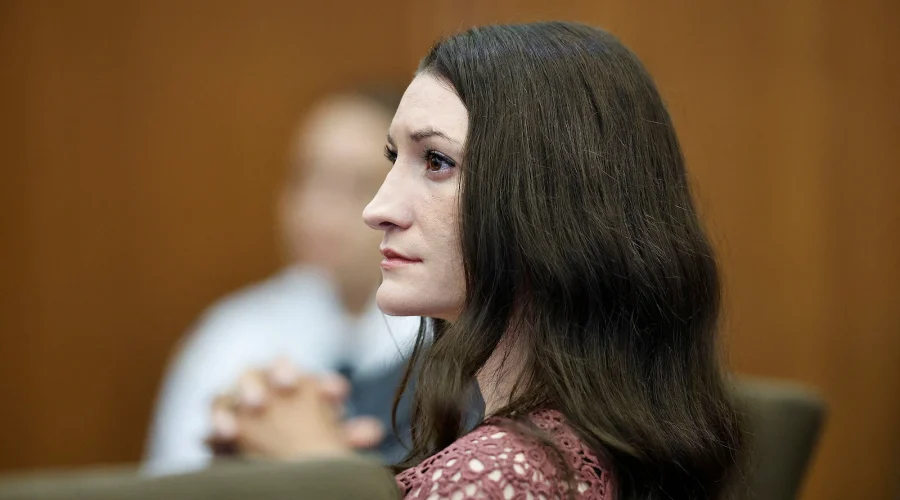
Judge William Sullivan issued the decision Wednesday. Clancy’s attorneys had asked to question the juror during the next scheduled court appearance, arguing that the juror’s conduct should be examined after the deadlocked deliberations. Sullivan denied that request, meaning the proposed questioning will not be part of the upcoming hearing.
Defense Request Is Rejected
The defense effort came after the jury ended its deliberations without a complete agreement. In criminal cases, a jury generally must reach a unanimous decision before it can return a verdict. When jurors remain divided and cannot resolve their differences, a judge may declare a mistrial.
That is what occurred in the Lindsay Clancy case. The mistrial ended the jury’s work without a finding of guilt or innocence, but it did not dismiss the charges or bring the prosecution to a close. Instead, the case returns to the court process for further hearings and decisions.
By denying the request to examine the holdout juror, the judge limited the issues expected to be addressed at the next court date. The defense will not be permitted to use that proceeding to pursue the proposed inquiry into the juror’s actions during deliberations.
What the Mistrial Means for the Case
A mistrial is not a verdict. It means the trial has concluded without the jury making a final determination on the charges. In this situation, the jurors were unable to reach the unanimity needed to decide the case.
The deadlock does not establish what happened, determine whether either side’s arguments were accepted, or automatically resolve the future of the prosecution. Decisions about the next phase of the Lindsay Clancy murder trial will be made through court hearings, filings, and other legal proceedings.
After a mistrial, the parties may address procedural matters, court scheduling, and the direction of the case. The court can consider issues that arise after the failed deliberations, while prosecutors and defense attorneys continue to handle the matter through the legal system.
The jury’s inability to reach a unanimous verdict ended the trial without resolving the charges.
Next Hearing Remains Set for Nov. 2
Clancy is expected to return to court on Nov. 2 for the next hearing. Although her attorneys sought to make the holdout-juror issue part of that appearance, Judge Sullivan’s ruling means that questioning will not occur then.
The hearing remains significant because the case is still active. It offers the court and the parties an opportunity to address the procedural path forward after the mistrial, even though the requested juror examination has been denied.
The Lindsay Clancy murder trial has therefore moved beyond the initial jury deliberations without a final verdict. Any future outcome will depend on subsequent court action rather than on the unresolved deliberations that led to the mistrial.
Frequently Asked Questions
What happened in the Lindsay Clancy murder trial?
The jury could not reach a unanimous verdict, and a mistrial was declared last month. The case remains pending.
Why did the judge deny the defense request?
Judge William Sullivan denied the request by Clancy’s attorneys to question the juror described as the holdout during deliberations. The requested examination will not take place at the next hearing.
When is the next court hearing?
Clancy is expected to return to court on Nov. 2. The hearing may address procedural matters following the mistrial.
Does a mistrial mean the case is over?
No. A mistrial means the jury did not reach a verdict. It does not decide the charges, and further court proceedings can continue.