
Atlanta Braves Hall of Fame manager Bobby Cox has died at 84
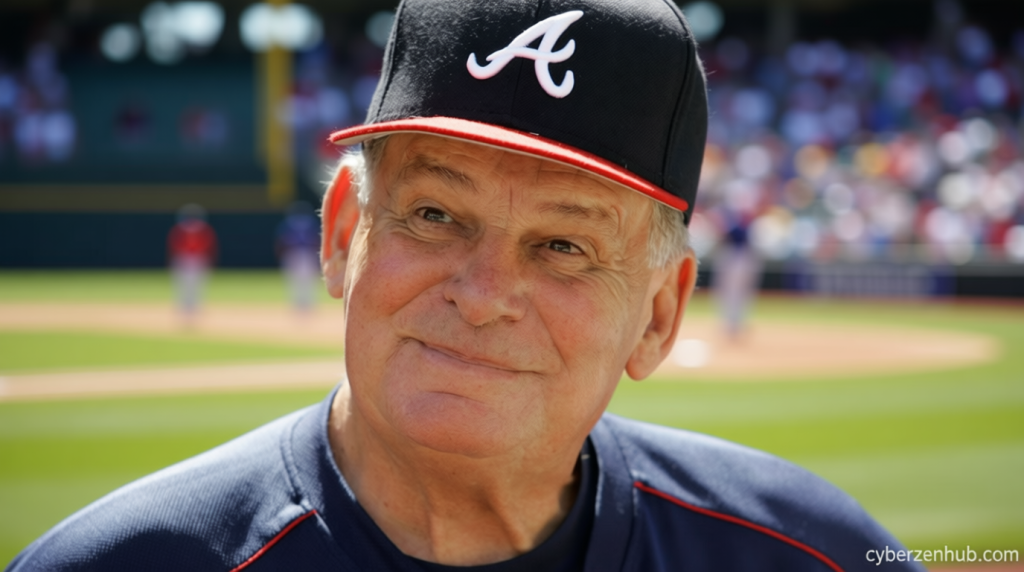
Atlanta Braves Hall of Fame Manager Bobby Cox Has Died at 84
Atlanta Braves Hall of Fame manager – ATLANTA — The passing of Bobby Cox, the beloved manager of the Atlanta Braves, marked a significant moment in baseball history. Known for his folksy demeanor and unyielding dedication, Cox’s tenure with the franchise transformed it into a dominant force in the National League during the 1990s. His leadership not only secured the city its first major championship but also brought the Braves to multiple World Series appearances, though they fell short in several key contests. Cox, who was 84 years old at the time of his death, passed away in Marietta, Georgia, as confirmed by the Atlanta Braves organization.
Cox’s journey with the Braves began in June 1990 when he took the helm of a struggling team that had languished near the bottom of the standings. In a remarkable turn of events, he guided the club to a stunning worst-to-first finish in 1991, ultimately losing the World Series to the Minnesota Twins in seven games. This achievement set the stage for an extraordinary streak of 14 consecutive division titles, a feat that no professional team in any sport had previously matched. Over the course of his 25-year managerial career with the Braves, Cox led the team to five National League pennants and cemented his legacy as one of the sport’s most consistent leaders.
His managerial philosophy was as distinctive as his appearance. A hallmark of Cox’s style was his penchant for wearing spikes and stirrups in the dugout, a quirk that became a symbol of his old-school approach. “He was the first one to the park every day,” said Atlanta manager Walt Weiss, reflecting on Cox’s work ethic. “He’d have his spikes on at 12 o’clock. I never saw a manager wear spikes, but that was one of Bobby’s trademarks. He just loved the game. He loved leading a group of men trying to win a championship.” This dedication extended beyond the field, as Cox often attended games and spring training sessions, fostering a deep connection with his players and the team’s culture.
“The first word that comes to mind is respect. He had that from players. When Bobby talked, we listened. We wanted to play for him,” said Hall of Fame pitcher Greg Maddux, who played under Cox during his time with the Braves. Maddux’s words underscored the respect Cox commanded, not just through his victories but through his leadership and the camaraderie he cultivated within the team.
Cox’s impact extended beyond the scoreboard. He was not only a master strategist but also a mentor to younger coaches and players. His influence was felt even after his retirement, as he remained a respected figure in the organization. In 2014, he was inducted into the Baseball Hall of Fame, a recognition of his unparalleled contributions to the game. With 2,504 career wins, Cox ranks fourth all-time in the major leagues, while his 4,508 games managed place him fifth. His 16 playoff appearances and 67 playoff victories also stand as remarkable records, with only Connie Mack, John McGraw, and Tony La Russa surpassing his regular-season win total.
Cox’s legacy was further solidified by his role in the Braves’ resurgence. In 1990, he returned to the team after being lured back by owner Ted Turner, who was a beloved figure in Atlanta. This partnership helped redefine the franchise’s identity, and the Braves retired Cox’s No. 6 jersey in 2011 as a tribute to his contributions. His passing came just four days after Turner’s death, linking two iconic figures in the city’s sports history.
Despite his impressive regular-season record, Cox’s World Series success was limited to a single title in 1995. The Braves defeated the Cleveland Indians in six games to claim their first major professional sports championship, a moment that remains etched in memory for its significance. Yet, critics often highlighted the team’s five World Series appearances without a crown, a challenge Cox never allowed to diminish his achievements.
Cox’s personal life, too, reflected his commitment to the game. His long marriage endured a pivotal moment in 1995 when he was accused of hitting his wife, Pam, in the face. The incident, which led to charges of simple battery, sparked a public debate. However, Cox and his wife quickly addressed the matter, denying the allegations at a joint news conference and vowing to seek counseling. The case was eventually dropped, preserving their relationship and highlighting Cox’s ability to handle both professional and personal challenges with grace.
Cox’s career was marked by resilience. After a stroke in 2019, which affected his speech and mobility, he remained active, even attending a Braves game from the press box in the same season. His wife, Pam, noted that heart issues slowed his recovery, but Cox’s determination never wavered. His work ethic, even in his later years, continued to inspire those around him.
Throughout his 29 seasons as a major league manager, Cox brought a unique blend of tradition and adaptability. His time with the Toronto Blue Jays, where he managed for four years, showcased his versatility as a strategist. Yet, it was his tenure with the Braves that defined his career, as he became synonymous with the team’s success. His ability to navigate the pressures of managing a championship-caliber squad, while maintaining a personal touch, left an indelible mark on the sport.
As the Braves mourn the loss of their legendary manager, the organization’s statement captures the depth of his impact: “Bobby was the best manager to ever wear a Braves uniform. He led our team to 14 straight division titles, five National League pennants, and the unforgettable World Series title in 1995. His Braves managerial legacy will never be matched.” Cox’s absence will be felt in the way his players and coaches remember him, not just for his wins but for the character he embodied both on and off the field.
His influence extends beyond the field, inspiring future generations of managers and players. The 10-time Gold Glove winner Andruw Jones, who played under Cox, paid tribute on social media, calling him “my second father.” This sentiment reflects the profound bond Cox shared with his players, a bond that was instrumental in the team’s success. As the Braves continue to build on his foundation, they carry forward the legacy of a man who transformed a city’s sports landscape and left a lasting impression on the game of baseball.