
DOJ seeks to denaturalize former diplomat convicted of spying for Cuba
DOJ Seeks to Denaturalize Former Diplomat Convicted of Spying for Cuba
DOJ seeks to denaturalize former diplomat – The U.S. Department of Justice has launched legal proceedings to revoke the naturalized citizenship of Victor Manuel Rocha, a former diplomat who was recently convicted of acting as a spy for the Cuban government. Rocha, originally from Colombia, spent almost four decades working as a U.S. foreign service officer while secretly serving the interests of Havana. The Southern District of Florida court received the complaint on May 7, 2026, marking a pivotal moment in the case that has drawn significant attention to the integrity of the naturalization process.
Rocha’s dual identity as a U.S. representative and a Cuban intelligence operative spanned nearly four decades, according to the Justice Department. During this time, he maintained a facade of loyalty to American interests, despite his covert work for the Republic of Cuba. The government alleges that he concealed his allegiance to Havana in the late 1970s when he submitted his naturalization documents. This act of deception, now under scrutiny, forms the core of the denaturalization effort.
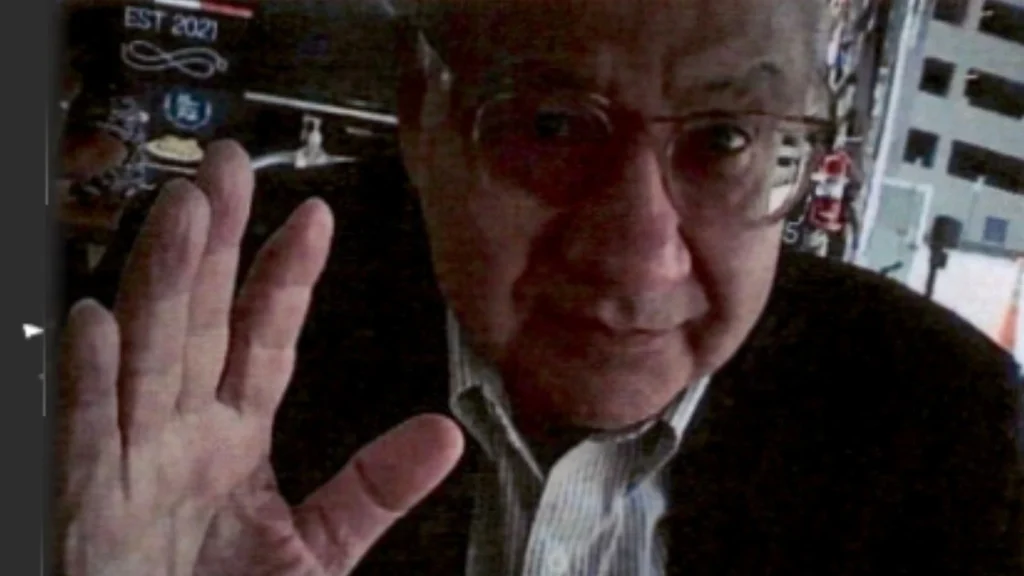
The complaint filed by the Department of Justice outlines Rocha’s alleged role as an unregistered agent for Cuban intelligence. His activities were exposed in 2022 when he was recorded in a video confession detailing his espionage operations. This footage, shared with an undercover agent, provided concrete evidence of his long-standing betrayal. The case was unsealed in 2023, revealing how Rocha justified his actions and maintained secrecy about his dual loyalty.
“Under no circumstances should an agent of a foreign adversary be permitted to hold the title of American citizen,” stated Assistant Attorney General Brett Shumate. “Our mission is clear: to root out these fraudsters and preserve the sanctity of the naturalization process for those who adhere to our laws. Any individual who lied during the naturalization process to gain a foothold in this country will be met with the full weight of the Department of Justice.”
Rocha’s career in the U.S. government began in the early 1980s, during which he held multiple leadership positions within the State Department. His role as a senior official added weight to his espionage activities, as his position allowed him to access sensitive information. The U.S. Attorney for the Southern District of Florida, Jason A. Reding Quiñones, emphasized that Rocha was not a minor operative but a high-ranking individual who admitted to secretly supporting the Cuban regime for decades.
According to court records, Rocha described his espionage efforts in a detailed account to the undercover agent. He explained how he maintained the secrecy of his activities while working in the U.S. government, celebrating his contributions to Cuban intelligence and his undermining of American interests. These statements, combined with the video evidence, led to his conviction and a 15-year prison sentence. The sentencing underscored the severity of his actions, which were deemed a direct threat to national security.
The denaturalization process, which the DOJ is now pursuing, aims to strip Rocha of his U.S. citizenship and remove his status as a citizen of the country he betrayed. This step is critical in ensuring that individuals who mislead the U.S. government during the naturalization process face consequences beyond incarceration. By targeting Rocha, the Department of Justice signals its commitment to holding foreign agents accountable for their dual loyalties.
Rocha’s case highlights the complexities of U.S. diplomatic service, where individuals can hold positions of influence while operating under the radar for foreign powers. His 40-year tenure as a diplomat allowed him to build relationships and networks that could be leveraged for espionage. The exposure of his activities in 2022 marked a turning point, revealing a system of covert operations that had been in place for decades.
The legal action against Rocha is part of a broader effort by the Department of Justice to address cases of fraud in the naturalization process. By focusing on individuals who lied to gain citizenship, the agency seeks to reinforce the credibility of the system and deter future misconduct. Rocha’s admission of guilt and his detailed accounts of his espionage activities provide a clear narrative of his betrayal, making the case a landmark example of the consequences of such deception.
His conviction and the subsequent denaturalization request have sparked discussions about the balance between national security and the rights of naturalized citizens. While Rocha’s actions were a clear violation of trust, the case also raises questions about how effectively the naturalization process can identify individuals who prioritize foreign interests over their own. The Southern District of Florida court’s involvement in this matter underscores the importance of judicial oversight in upholding the law.
The Justice Department’s focus on Rocha reflects a growing emphasis on denaturalization as a tool to combat espionage. This approach not only removes the individual’s citizenship but also serves as a deterrent to others who might consider similar actions. By pursuing this case, the DOJ reinforces its role as a guardian of American values and a protector of the nation’s interests.
Rocha’s story is a testament to the lengths to which individuals can go to serve foreign adversaries under the guise of patriotism. His 15-year sentence, along with the denaturalization process, ensures that he is held accountable for his decades of secret work. The case also serves as a reminder of the ongoing challenges in maintaining the integrity of the U.S. diplomatic corps and the naturalization process.
As the legal proceedings unfold, the Department of Justice is expected to present additional evidence of Rocha’s actions. This includes documentation of his communications with Cuban intelligence and any financial ties that facilitated his espionage. The outcome of the denaturalization case could set a precedent for future similar cases, further solidifying the DOJ’s stance on foreign espionage.
Rocha’s conviction and the pursuit of denaturalization have drawn comparisons to past high-profile cases of spy-related fraud. His ability to maintain a career in the U.S. government for nearly four decades while operating as a Cuban agent demonstrates the challenges of detecting such long-term betrayals. The case also underscores the importance of vigilance within the diplomatic community, where trust is paramount and the consequences of betrayal can be profound.
With the legal battle now underway, the focus remains on Rocha’s role as a senior official and the impact of his actions on U.S. foreign policy. His case has become a symbol of the risks associated with dual loyalties and the Department of Justice’s determination to root out those who compromise the nation’s security. As the Southern District of Florida court reviews the evidence, the outcome will be closely watched by both the government and the public.