
Trump administration targets 12 foreign-born Americans for denaturalization
Trump Administration Targets 12 Foreign-Born Americans for Denaturalization
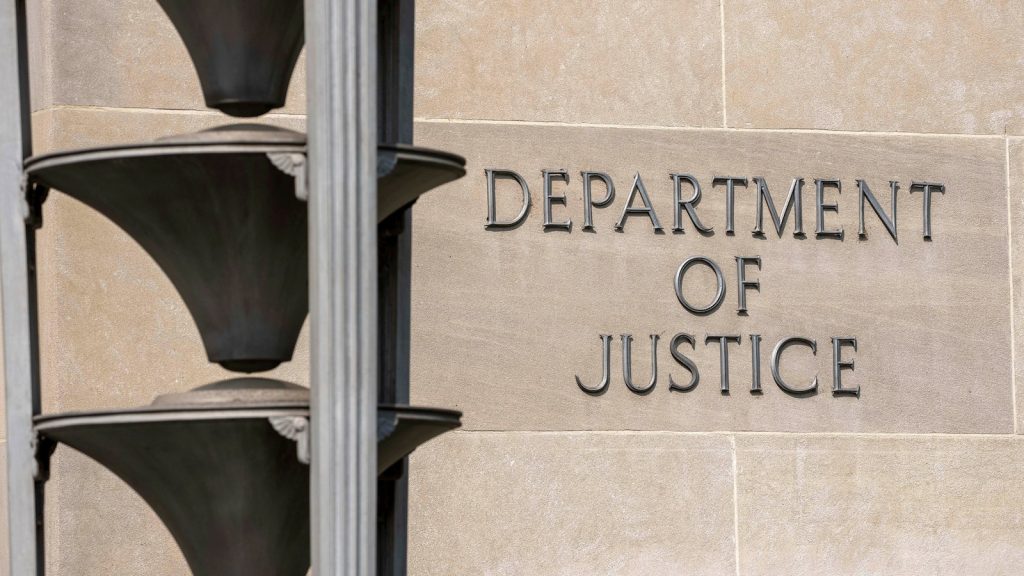
Trump administration targets 12 foreign born – The Trump administration has launched a campaign to strip the citizenship of 12 individuals who were born abroad but have since become U.S. citizens. Officials claim these individuals committed offenses that meet the legal criteria for denaturalization, a process that allows the federal government to revoke citizenship for fraudulent or deceptive practices. On Friday, the Department of Justice (DOJ) released a statement announcing the filing of denaturalization lawsuits in courts across the nation, targeting the citizens for alleged violations of immigration laws.
Reasons for Legal Action
Acting Attorney General Todd Blanche emphasized that the DOJ is pursuing these cases to address serious breaches of the immigration system. “Individuals who committed fraud, heinous crimes such as sexual abuse, or expressed support for terrorism should never have been granted U.S. citizenship,” he stated in a formal declaration. Blanche argued that the administration is taking decisive steps to correct these “egregious violations,” ensuring that those who intentionally hid their criminal records or lied during the naturalization process face the consequences of their actions.
“Individuals who committed fraud, heinous crimes such as sexual abuse, or expressed support for terrorism should never have been granted U.S. citizenship,” said Acting Attorney General Todd Blanche. “The Trump administration is taking decisive steps to correct these egregious violations, ensuring that those who intentionally concealed their criminal histories or misrepresented themselves during the naturalization process face the full force of the law.”
According to the DOJ, the 12 individuals under investigation were accused of crimes that qualify them for denaturalization, including offenses committed in the United States or in their countries of origin. Some have been convicted of crimes here, while others are alleged to have been found guilty of offenses in their home nations. A third group is accused of engaging in immigration fraud, such as falsifying documents or providing misleading information during the citizenship application process.
Global Origins of the Targeted Individuals
The list of nations represented among the denaturalization cases includes Bolivia, Colombia, Nigeria, Somalia, Morocco, Uzbekistan, Iran, India, and China. This diverse set of countries highlights the administration’s broad approach to targeting individuals who may have obtained citizenship through questionable means. The DOJ’s actions are part of a wider effort to scrutinize the legal status of foreign-born Americans, particularly those who have been accused of undermining U.S. interests or engaging in deceptive practices.
Each case involves a distinct set of circumstances. For instance, some individuals may have concealed their criminal pasts during the naturalization process, while others may have committed crimes after obtaining citizenship. The DOJ maintains that these cases are part of an ongoing initiative to ensure that U.S. citizenship is awarded only to those who meet the required standards of honesty and integrity.
Denaturalization Process Explained
Denaturalization is a legal procedure that requires a judicial order, as outlined by the National Immigration Forum. The process begins when U.S. Citizenship and Immigration Services (USCIS) identifies potential cases of fraud or deception. These cases are then referred to the DOJ for further investigation, with denaturalization being pursued as either a civil or criminal action depending on the nature of the offense. Once the DOJ initiates proceedings, the individual faces the possibility of having their citizenship revoked, which could lead to deportation or other penalties.
USCIS has stated that denaturalization is only possible if there is “sufficient evidence” to support the claim that an individual’s naturalization was based on false information or fraudulent activity. This includes instances where applicants misrepresented their criminal records, concealed their immigration status, or engaged in other deceptive practices. The National Immigration Forum has clarified that revoking citizenship returns the individual to their previous immigration status, which may be temporary or permanent, depending on their situation. If their status is no longer lawful, they could be subject to deportation or even incarceration for crimes committed during the process.
Broader Implications of the Policy
The move to target 12 foreign-born Americans marks a continuation of the Trump administration’s aggressive stance on immigration enforcement. This initiative aligns with previous efforts to deport long-term residents and penalize those who may have obtained citizenship through fraudulent means. By expanding the denaturalization program, the administration aims to strengthen its immigration policies and reduce the number of individuals who may be perceived as threats to national security or the integrity of the citizenship process.
Legal experts have noted that the administration’s focus on denaturalization reflects a strategy to not only remove individuals from the U.S. but also to deter others from applying for citizenship. This approach is often criticized for its potential to target individuals based on political or ideological grounds rather than solely on criminal activity. However, supporters argue that the policy is necessary to uphold the principles of fairness and accountability in the naturalization process.
Context and Historical Background
Denaturalization has been a tool used by the U.S. government for decades to remove individuals who are no longer deemed eligible for citizenship. Under the Trump administration, however, the process has been accelerated and made more stringent. This shift has been accompanied by increased scrutiny of applicants’ backgrounds, including their criminal histories and ties to foreign governments. The recent cases underscore the administration’s commitment to identifying and addressing instances of fraudulent citizenship, even if it means revoking the status of long-time residents.
Historically, denaturalization has been reserved for cases involving serious crimes, such as espionage, treason, or deliberate fraud. The DOJ’s current focus on a broader range of offenses, including sexual abuse and support for terrorism, suggests an expansion of these criteria. This change has sparked debate about the balance between enforcing immigration laws and protecting the rights of individuals who have legally established themselves in the United States.
Public Reaction and Legal Challenges
The announcement has drawn mixed reactions from the public and legal community. While some view the action as a necessary measure to combat immigration fraud, others argue that the cases may be politically motivated. Legal advocates have raised concerns about the potential for bias in the selection of targets, particularly in light of the administration’s broader immigration agenda. They also highlight the importance of due process, emphasizing that individuals should have the opportunity to defend themselves before their citizenship is revoked.
Despite these challenges, the DOJ maintains that the cases are based on solid evidence and are part of a long-standing effort to uphold the rule of law. The administration has also pointed to the success of previous denaturalization actions as justification for continuing this policy. For the 12 individuals in question, the process could result in the loss of their citizenship, potentially impacting their ability to live and work in the United States without facing deportation.
As the cases proceed through the courts, they will serve as a test case for the administration’s approach to immigration enforcement. The outcome of these denaturalization efforts may set a precedent for future actions, influencing how the federal government handles citizenship revocations in the years to come. Whether the policy is seen as a bold step toward stricter immigration control or a potential overreach, its impact will be felt across the legal and social landscape of the United States.