
After months of war with Iran, people across the US say they’re feeling the strain of high gas prices
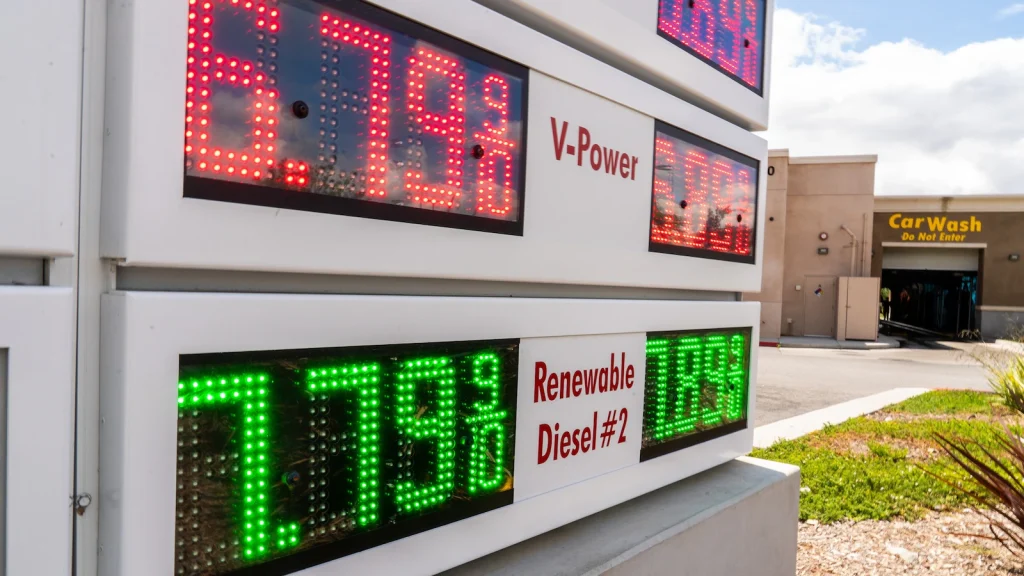
After Months of War with Iran, Americans Feel Fuel Price Strain
Economic Impact of the Conflict
After months of war with Iran, the U.S. economy is showing signs of strain, with many Americans reporting higher fuel costs as a major concern. A recent survey by ABC News, in collaboration with Washington Post and Ipsos, highlighted growing public frustration over the financial burden caused by the ongoing conflict. The poll found that 50% of respondents expect further gas price increases in the coming year, while 40% say their financial situation has worsened since the start of President Donald Trump’s second term in January 2025. Nearly a quarter of participants admitted they can no longer afford their previous standard of living, emphasizing the widespread impact of the war.
Personal Struggles and Leadership Scrutiny
Follow-up interviews with survey participants revealed the personal toll of the war. Many described cutting back on daily expenses to manage rising costs. Jacob Olson, a 28-year-old from Beebe, Arkansas, shared how the conflict has altered his routine. After months of war, his solar company went bankrupt, forcing him to start a small custom wood workshop. He noted that fuel prices now consume a significant portion of his income, making it harder to afford transportation for his clients. “After months of war, it’s all about getting the bills paid,” Olson said, adding that he no longer has time for leisure activities.
“One day at a time,” Olson said. “After months of war, it’s just one foot in front of the other. That’s about the way to sum it up.”
Brenda Howard, a 66-year-old from Lubbock, Texas, echoed similar sentiments. As a retired individual, she relies on ride-sharing services for her daily commute. The cost of a single grocery trip has risen from $20 to $25 to around $30, a change she attributes to the ongoing war. “After months of war, I never thought my retirement would be a day-to-day struggle,” Howard remarked, highlighting the shift in her financial priorities.
Consumer Behavior Shifts
The war with Iran has prompted noticeable changes in consumer behavior. Over 40% of respondents in the survey reported reducing their driving, while 42% trimmed household spending to cope with increased costs. Additionally, 34% said they’ve adjusted travel plans, often opting for carpooling or public transport. These adjustments reflect a broader awareness of how the conflict has influenced economic stability, with many prioritizing essentials over discretionary spending.
Hardship for Lower-Income Households
Lower-income families have experienced the most significant consequences of the war’s impact on fuel prices. More than half of those earning under $50,000 annually admitted to cutting back on driving and household expenses. For Martha Davis, a 66-year-old caretaker in Tool, Texas, this means altering her schedule to manage the rising cost of fuel. Her weekly trips to medical appointments for her disabled son now cost nearly $70, compared to the $25 to $30 she once spent. “After months of war, it’s harder to keep up,” Davis said, stressing the disproportionate effect on vulnerable communities.
Global Oil Market Effects
The war with Iran has also disrupted global oil markets, with Iran’s recent blockage of the Strait of Hormuz intensifying supply concerns. This vital waterway, which transports about 20% of the world’s oil, has become a key battleground in the conflict. The disruption has caused fluctuations in fuel prices, directly affecting Americans. Experts warn that such actions could extend economic instability, particularly as demand for energy remains high despite the war’s costs.
Public Sentiment Amid Rising Costs
While many Americans express frustration over the financial strain, some remain supportive of the administration’s approach. Andy Breedlove, a 51-year-old from West Virginia, acknowledged the war’s impact on fuel prices but praised President Trump’s policies. “After months of war, it’s hard to say the situation is entirely negative,” Breedlove stated. “With everything else being more expensive, the high gas prices are part of the overall cost of living.” Despite his disability preventing him from working, Breedlove believes the war will continue shaping energy markets, keeping prices elevated for the foreseeable future.