
Hantavirus outbreak: American oncologist who became cruise ship’s de facto head doctor speaks to ABC News
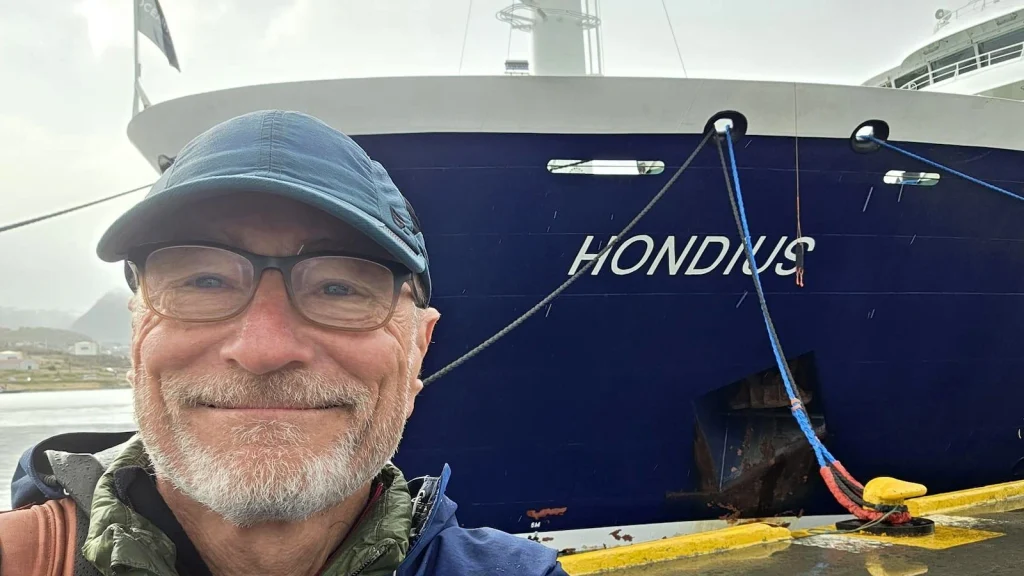
Hantavirus Outbreak: American Oncologist Who Became Cruise Ship’s De Facto Head Doctor Speaks to ABC News
Hantavirus outbreak – When the hantavirus took hold on the cruise ship MV Hondius, a critical gap emerged in the onboard medical team. Dr. Stephen Kornfeld, a cancer specialist from Bend, Oregon, found himself thrust into the role of the ship’s unofficial leader during the unfolding health emergency. Speaking with ABC News while still aboard the vessel, Kornfeld recounted how the situation rapidly escalated, forcing him to take charge of an increasingly dire scenario. The ship, which had departed from a European port, now faced the challenge of managing a medical crisis that left passengers in uncertainty.
Escalation of the Crisis
Kornfeld described the moment he realized the outbreak was no longer a minor incident. “It just kind of escalated within 24 hours after I stepped in,” he said. The doctor who initially contracted the virus had already been identified as a key case, but the situation worsened as more passengers began showing symptoms. One of the infected individuals, a passenger with a probable diagnosis, succumbed to the illness onboard. Meanwhile, the ship’s doctor and a tour guide who tested positive were growing sicker, creating a domino effect of concern.
“One of the patients died and the other two, the physician and one of the other staff members, were getting progressively sicker,” Kornfeld explained. “Then the first news of hantavirus came out.”
As the outbreak spread, the ship’s medical team was forced to operate under intense pressure. With limited resources and a rapidly growing list of cases, Kornfeld noted that the crew had to adapt quickly to ensure passenger safety. He emphasized the urgency of the situation, highlighting how the virus’s rapid progression left little time for preparation. The MV Hondius, now a floating hospital, had to balance its primary function as a leisure vessel with the demands of a full-scale health emergency.
Global Spread of Cases
While the six confirmed cases included the ship’s doctor and a tour guide, the virus’s reach extended beyond the ship. A British passenger, who tested positive, is currently hospitalized in South Africa. A Swiss man is also receiving treatment in Switzerland, while a Dutch woman passed away on April 26 in South Africa. A German woman, another victim of the outbreak, died on May 2. These incidents underscore the virus’s ability to affect individuals across different regions, complicating the response efforts.
Interestingly, none of the 17 Americans who were on board at the time have tested positive for hantavirus as of Saturday afternoon. Kornfeld, who has remained in good health, expressed relief at this development. “Days have gone by and nobody’s having symptoms,” he said. “I know very soon I will have access to very, very good medical care. That’s a sense of relief.”
Collaborative Efforts and Team Spirit
Despite the chaos, Kornfeld praised the collaborative spirit that emerged among the passengers and crew. “There were a lot of people kind of helping and working, and it really felt like a team,” he shared. “These people have started to become my family.” His remarks reflect the bond formed during the crisis, as individuals from diverse backgrounds united to address the health emergency. Kornfeld’s own participation in bird watching during the voyage added a touch of normalcy, contrasting with the alarming developments around him.
The ship’s itinerary was disrupted as it prepared to dock in the Canary Islands on Sunday morning. Passengers would disembark there, then be transported back to their home countries. For Kornfeld, this marked a turning point in the crisis, as the ship transitioned from a place of leisure to a site of medical intervention. He expressed hope that the experience would leave a lasting impact on those involved, even as the situation began to stabilize.
U.S. CDC Involvement and Quarantine Plans
The U.S. Centers for Disease Control (CDC) has been monitoring the situation closely, with a specific focus on the 17 American passengers. According to the CDC, these individuals will be flown to Nebraska for further evaluation. However, there will be no mandatory quarantine for them, allowing for a more flexible approach to their care. This decision was made after assessing the low risk of transmission among the Americans, though the broader outbreak still requires vigilance.
The National Quarantine Unit in Omaha, Nebraska, is preparing to receive the cruise ship’s passengers. Kornfeld, who has a personal connection to the state through his bird-watching hobby, joked about the irony of his situation. “Well, I’ve never been bird watching in Nebraska,” he said, acknowledging the unexpected nature of his role as a temporary medical authority. His comments highlight the adaptability required of healthcare professionals in crisis situations, where their expertise must be applied in unfamiliar settings.
Implications for Public Health
The hantavirus outbreak on the MV Hondius has raised questions about the preparedness of cruise ships to handle medical emergencies. Hantavirus, which is primarily spread through rodent excrement, can cause severe respiratory illness and has been linked to outbreaks in various parts of the world. Kornfeld’s actions demonstrate the importance of having trained medical personnel available, even if they are not part of the ship’s official staff. His ability to step in and coordinate care has been critical to managing the situation, especially as the ship moved toward its next destination.
As the MV Hondius prepares to arrive in the Canary Islands, the focus shifts to ensuring that the remaining passengers receive proper care and that the virus is contained. The ship’s crew, along with the onboard medical team, has worked tirelessly to maintain order and support the affected individuals. Kornfeld’s experience has not only been a testament to his medical skills but also to the resilience of the human spirit in the face of adversity. His journey from a cancer specialist to a de facto head doctor during the outbreak underscores the unpredictable nature of public health crises.
While the immediate threat to the Americans appears to be minimized, the broader implications of the outbreak remain significant. The spread of hantavirus across multiple countries highlights the interconnectedness of global travel and the potential for health emergencies to transcend borders. Kornfeld’s story serves as a reminder of the critical role that individuals can play in crisis management, even when circumstances are far from ideal. His insights into the situation provide valuable context for understanding the challenges faced by those on board and the broader lessons for future outbreaks.
The MV Hondius’s voyage has become a case study in emergency response, showcasing the adaptability of medical professionals and the importance of teamwork in high-pressure scenarios. As the ship approaches its final stop, the passengers and crew continue to navigate the aftermath of the outbreak, with Kornfeld’s efforts leaving a lasting impression on all who were part of the experience. His account of the events aboard the cruise ship offers a personal perspective on a global health issue, blending professional expertise with the human element of crisis.