
Todd Blanche says media ‘should not be surprised’ if they’re subpoenaed over national security stories
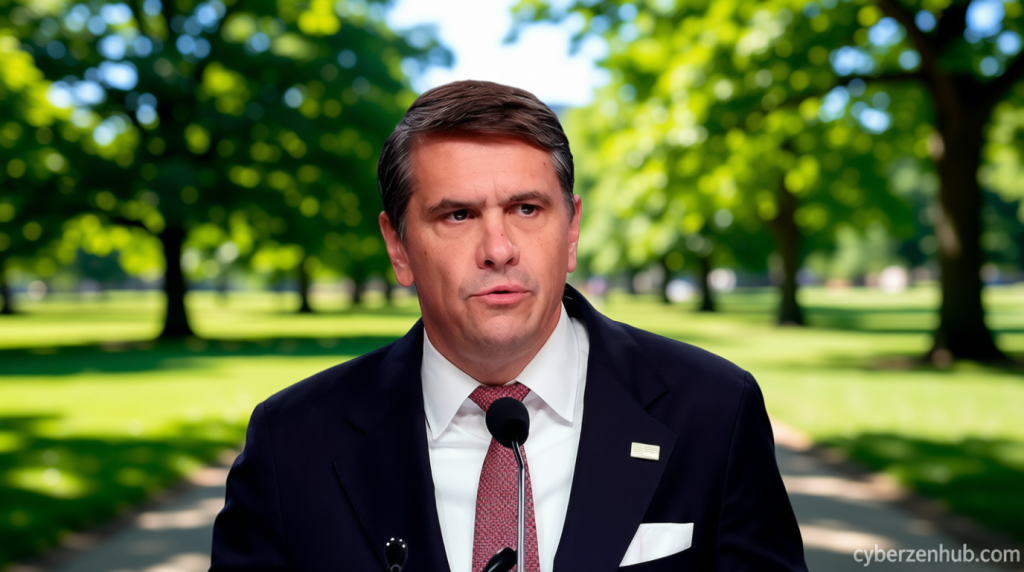
Todd Blanche Says Media Should Not Be Surprised by Subpoenas on National Security Stories
Acting Attorney General Comments on Subpoenaing Media for National Security Leaks
Todd Blanche says media should not be – Acting Attorney General Todd Blanche has stated that the media “should not be surprised” if they are subpoenaed for information related to national security investigations. This remark comes after reports that the Wall Street Journal faced legal demands in March concerning its coverage of the Iran war. The subpoena, tied to a February 23 article that detailed military officials’ concerns about potential conflicts with Iran, has raised questions about the intersection of press freedom and security protocols.
Blanche’s comments highlight the administration’s push to hold individuals accountable for sharing classified details with journalists. He argued that anyone, including reporters, who possesses knowledge about national security threats “should not be surprised” if subpoenaed to testify. This approach reflects a broader effort to prioritize transparency in legal proceedings, even if it means scrutinizing media sources more intensely.
Subpoenaed Articles and Trump’s Influence on National Security Focus
The Wall Street Journal’s recent experience with subpoenas underscores the administration’s growing interest in critical reporting. The article in question outlined military warnings to former President Donald Trump about the risks of military action in Iran. Trump reportedly urged Blanche to investigate leaks more aggressively, even providing a list of articles marked with a “Treason” note. This interaction suggests a direct connection between political priorities and legal actions targeting media coverage.
“When individuals leak classified information to reporters, putting our national security and service members at risk, the government has a duty to seek clarity,” Blanche explained. “The media should not expect immunity if their sources are central to uncovering these threats.”
Blanche’s remarks also address concerns about political influence on the Justice Department. His comments follow his first public appearance as acting attorney general, where he acknowledged pressure from Trump to focus on potential adversaries. The WSJ’s subpoena has become a symbol of the administration’s stance, prompting discussions about how legal actions might reshape media independence.
Shift in DOJ Policy and Historical Context
The current legal strategy marks a departure from the Biden-era guidelines, which restricted the use of subpoenas against journalists unless national security was critically at risk. Those rules, aimed at protecting First Amendment rights, required prosecutors to justify their need for information from media sources. However, Blanche’s reversal of this policy signals a more proactive stance in investigating leaks, even when the evidence is less conclusive.
Under the revised framework, the Justice Department emphasizes flexibility in applying legal tools. Blanche noted that the administration’s focus is on ensuring that all individuals, regardless of their role, are held responsible for compromising national security. This shift has sparked debate over whether the policy change could lead to more frequent legal challenges against journalists in the future.
Reactions from Media Advocates and Legal Experts
Media advocates argue that the new approach risks undermining investigative journalism. They warn that frequent subpoenas could deter reporters from publishing sensitive material, especially if the government interprets national security threats more broadly. Legal experts, however, contend that the policy maintains a balance between accountability and transparency, ensuring that journalists do not shield leaks from scrutiny.
Blanche’s comments align with the DOJ’s commitment to enforcing laws without regard to the source of information. The department’s spokesperson reiterated that legal actions are taken based on the facts, regardless of whether the information comes from reporters or other witnesses. This stance reinforces the idea that national security concerns justify legal measures, even when they impact the media’s role as a watchdog.