
Trump says Dr. Marty Makary will leave role as FDA commissioner
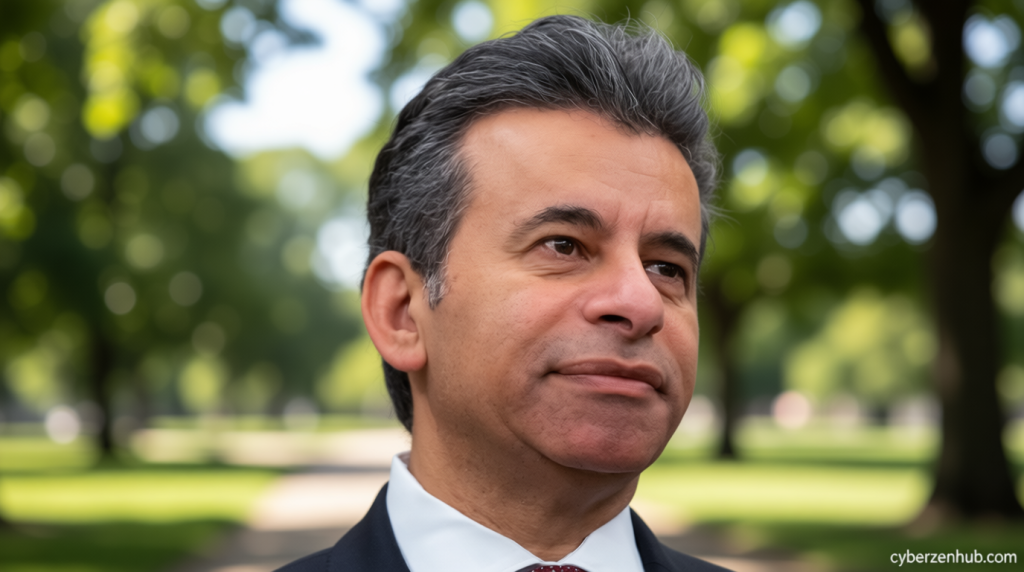
Trump Announces Dr. Marty Makary’s Resignation as FDA Commissioner
Trump says Dr Marty Makary will –
Dr. Marty Makary, the current Food and Drug Administration (FDA) commissioner, has expressed his intent to step down from the role, according to two individuals with knowledge of the situation. The decision comes amid ongoing tensions with various stakeholders, including members of Congress, major pharmaceutical firms, and President Donald Trump. His departure was anticipated after public disagreements erupted over key policy decisions and his approach to regulatory oversight. Makary was set to appear before lawmakers on Capitol Hill the following day, where he would have addressed recent controversies.
During a press engagement on Tuesday, Trump was questioned about Makary’s potential exit. The president stated that Kyle Diamanta, his deputy commissioner, would assume temporary responsibility for the FDA’s operations. Despite acknowledging Makary’s strengths, Trump noted the commissioner’s challenges in aligning with the administration’s priorities. “Marty is a great guy,” the president remarked, “but he’s having some difficulty.” He further emphasized, “Everybody wants that job,” suggesting that Makary’s leadership style or policy stances had created friction.
Policy Shifts and Public Criticism
Since taking over as FDA commissioner in March 2025, Makary has been actively reshaping the agency’s focus. His efforts have centered on redefining vaccine strategies and addressing dietary habits in the United States. However, his tenure has not been without controversy. During the height of the COVID-19 pandemic, Makary became a prominent figure for his vocal opposition to measures such as mandatory masks for children and vaccine mandates. He also criticized the Centers for Disease Control and Prevention (CDC) for relying on Israeli data to justify booster recommendations rather than conducting independent studies.
These positions drew sharp criticism from public health advocates and lawmakers, who argued that his stance could undermine vaccination efforts. Makary’s public clashes with these entities have intensified in recent months, leading to speculation about his resignation. A notable example of his influence occurred in early May when he joined Health and Human Services Secretary Robert F. Kennedy Jr. in announcing the removal of the COVID-19 vaccine from the CDC’s immunization schedule for “healthy children and pregnant women.” At the time, Makary claimed there was insufficient evidence to support the need for the vaccine in these groups, a statement that sparked debate within the medical community.
Makary’s recent initiatives include advocating for the elimination of synthetic food dyes from the American diet. Last year, he unveiled plans to phase out eight artificial colorings by the end of 2026, aiming to revoke authorization for two synthetic dyes and collaborate with the food industry to remove the remaining six. He described the current food supply as a “toxic soup of synthetic chemicals,” emphasizing the need to prioritize natural ingredients. This effort aligns with his broader mission to transform dietary habits and promote healthier choices for children and families.
Public Statements and Leadership Recognition
Health and Human Services Secretary Robert F. Kennedy Jr. publicly commended Makary for his contributions, particularly in advancing the MAHA movement. In a post on X, Kennedy highlighted Makary’s courage in challenging established norms and his dedication to serving the American public. “You took on entrenched interests, challenged the status quo, and never lost sight of the people we serve,” Kennedy wrote. “You pushed forward critical reforms and helped advance our mission to Make America Healthy Again.” The secretary also expressed personal gratitude, calling Makary a “great friend” and wishing him success in his future endeavors.
Makary’s leadership has been marked by a willingness to question conventional wisdom. His comments on dietary guidelines, which encourage the consumption of red meat and full-fat dairy while reducing emphasis on refined carbohydrates, reflect a shift in nutritional strategy. “For decades, we’ve been fed a corrupt food pyramid that demonizes natural healthy saturated fats,” he stated. “This new guidance tells young people, schools, and families that they don’t need to tiptoe around fat and dairy. … You don’t need to push low-fat milk to kids.” This approach has stirred both support and skepticism among health professionals.
Flavored Vapes and Regulatory Disputes
Another point of contention arose in early May when Trump criticized Makary for slowing the approval process of flavored vape and nicotine products. According to a report in *The Wall Street Journal*, the president’s advisors informed him that Makary had been delaying decisions to support his campaign promise of “saving” vaping. This conflict underscores the broader debate over balancing public health concerns with industry interests.
Despite these criticisms, the FDA’s authorization of fruit-flavored e-cigarettes for adult smokers has raised alarms among pediatricians and advocacy groups. These products, approved under Makary’s leadership, have been linked to increased youth vaping rates, prompting calls for stricter regulations. The situation highlights the tension between Makary’s goal of streamlining approvals and the push for caution in light of health risks.
While the FDA and White House have not yet released official statements on Makary’s resignation, the timing of his departure suggests a culmination of these pressures. His decisions have often placed him at the center of controversy, from pandemic policies to dietary recommendations. Yet, his tenure has also been defined by bold initiatives aimed at modernizing food safety and vaccine strategies.
Legacy and Future Implications
Makary’s role as FDA commissioner has been a mix of innovation and contention. His advocacy for removing artificial colorings from food has resonated with some consumers who prioritize natural ingredients, while others argue that the measures are insufficient to address long-term health risks. Similarly, his approach to vaccine mandates and mask requirements during the pandemic has shaped public discourse on health interventions.
As he prepares to leave the agency, Makary’s impact on FDA policies will likely be scrutinized. His push to revise dietary guidelines and reduce the emphasis on low-fat diets represents a significant shift in nutritional policy. This change has been welcomed by some as a return to traditional food values, but others question its scientific basis.
Public health experts and industry leaders alike will assess the effectiveness of Makary’s reforms. His efforts to align FDA regulations with the administration’s goals have brought both praise and criticism, illustrating the complex landscape of health policy. With his resignation, the next phase of the FDA’s direction will depend on the incoming commissioner and the priorities they bring to the table.
The resignation of Dr. Marty Makary marks the end of an era for the FDA, as his tenure has been defined by significant policy changes and high-profile debates. Whether these shifts will be seen as progress or missteps remains to be determined, but his role in shaping the agency’s trajectory is undeniable. As the U.S. health landscape continues to evolve, the decisions made under his leadership will be remembered for their boldness and the controversies they sparked.