
Lawsuit accuses agriculture secretary of ‘religious coercion’ in staff emails
Lawsuit accuses agriculture secretary of ‘religious coercion’ in staff emails
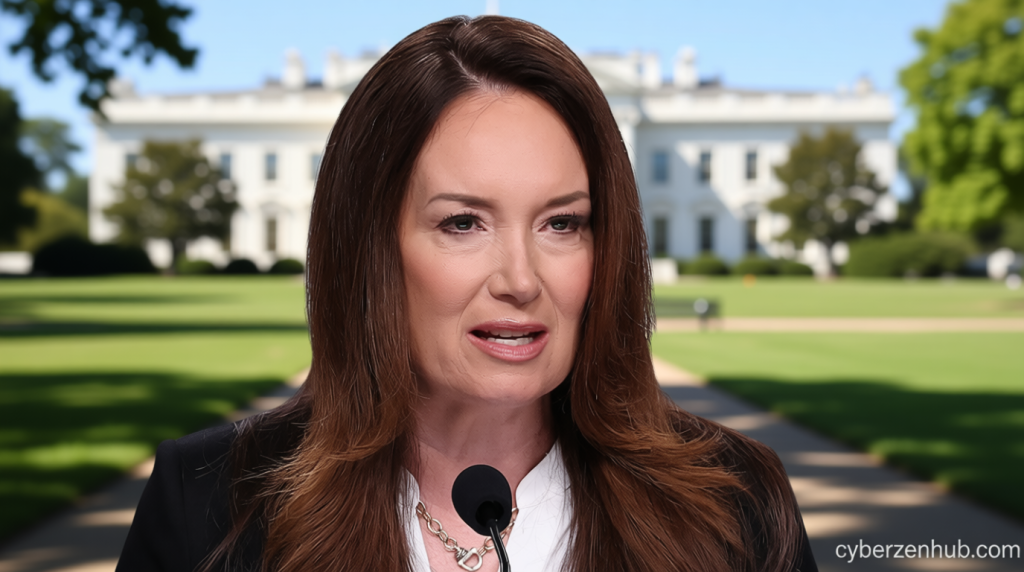
Lawsuit accuses agriculture secretary of religious – Federal authorities are being challenged over alleged religious influence in the workplace, with a new lawsuit targeting Secretary of Agriculture Brooke Rollins. The National Federation of Federal Employees, alongside seven USDA staff members, filed the legal action in California, asserting that Rollins violated the First Amendment’s Establishment Clause by promoting Christian messages through work-related correspondence. The complaint argues that Rollins’s habitual references to Jesus Christ in emails created an environment where employees felt compelled to adopt her faith, undermining their own beliefs and fostering a sense of exclusion.
Religious messages in holiday communications
The lawsuit highlights specific emails sent by Rollins to mark national holidays, which were described as overtly religious. For instance, her Thanksgiving message emphasized “gratitude towards a loving God,” while her Christmas email stated that “God gave us the greatest gift possible.” On Easter, she included a reference to the resurrection of Jesus as “the greatest story ever told.” These communications, according to the complaint, were not merely personal reflections but official endorsements of Christianity, positioning it as the preferred religious framework within the agency. The filing notes that Rollins consistently acknowledged Christian holidays, leaving other faiths or secular perspectives unrepresented in her messaging.
“Secretary Rollins’s practice and policy of subjecting agency employees to proselytizing messages conveys the expectation that USDA employees share in the Secretary’s religious beliefs, even when doing so would betray an employee’s own beliefs,” the lawsuit stated.
The legal argument centers on the Establishment Clause, which prohibits the government from establishing an official religion or favoring one over others. The complaint asserts that Rollins’s actions crossed into government-sponsored religious coercion, creating a pressure to conform to her beliefs. This, the plaintiffs claim, transforms private religious expression into a form of institutional control, infringing on the employees’ right to practice their own faith without external pressure.
While the First Amendment protects individual religious speech, the lawsuit distinguishes between personal expression and official endorsement. Rollins’s emails, the filing argues, were not private messages but part of a broader policy that implied a religious mandate. This approach, the plaintiffs insist, equates to “religious sermonizing” and “denominational preference,” which the Establishment Clause is meant to prevent. The complaint underscores that such practices could force employees to align their beliefs with those of the secretary, regardless of their personal convictions.
Employee experiences of pressure and exclusion
Several USDA employees detailed their experiences of feeling coerced by Rollins’s religious outreach. One plaintiff claimed they were warned that opting out of the email distribution list could lead to “create trouble” for their professional standing. Others expressed fear of retaliation if they criticized the messages, with one staff member stating, “feels that the Secretary is conveying to him that he is unwelcome and ‘going to hell’ because he does not share the Secretary’s beliefs.” These accounts illustrate a growing concern that Rollins’s communications fostered an atmosphere of religious conformity, making employees feel like outsiders in their own workplace.
According to the lawsuit, Rollins’s approach not only influenced individual beliefs but also shaped the cultural tone of the agency. Employees reported feeling pressured to participate in religious discussions or acknowledge her faith, even in non-religious contexts. This, the complaint argues, constitutes a subtle yet significant form of coercion, where the government’s actions are perceived as endorsing a particular religion over others. The legal team emphasizes that such practices could marginalize employees who do not share Rollins’s spiritual views, impacting their sense of belonging and autonomy.
USDA’s response to the lawsuit
In a statement to the press, a USDA spokesperson addressed the lawsuit, noting that the agency would not comment on ongoing litigation. However, the spokesperson expressed support for the plaintiffs, stating, “We will keep the plaintiffs in our prayers during this process.” This response, while brief, highlights the USDA’s stance on the matter, suggesting a willingness to acknowledge the concerns raised without directly endorsing or refuting the allegations. The spokesperson’s focus on prayer underscores a potential alignment with Rollins’s religious values, even as the agency navigates the legal implications of her actions.
The case has broader implications for workplace religious expression and the boundaries between private and public messaging. While the First Amendment allows for religious speech, the lawsuit argues that Rollins’s use of work emails as a platform for proselytizing blurs this line. Legal experts note that the Establishment Clause is designed to prevent government from favoring one religion, yet Rollins’s approach could be seen as doing precisely that. This conflict raises questions about how public officials can express their faith without infringing on employees’ rights, particularly in a diverse and secular workforce.
Context and related developments
Rollins’s religious messaging coincides with other recent developments in the USDA, including her assertion that the agency’s new dietary guidelines represent a “whole flipping of the narrative.” This statement, though unrelated to the current lawsuit, reflects her tendency to frame policies through a religious or ideological lens. The legal action against her underscores a growing trend of holding public officials accountable for their influence on workplace culture, especially when it involves religious themes. As the case progresses, it may set a precedent for how religious expressions in government communication are interpreted and regulated.
The lawsuit also draws parallels to historical struggles over religious freedom, citing the Founding Fathers’ intent to safeguard against government-imposed religious practices. The plaintiffs argue that by consistently highlighting Christian holidays and values, Rollins’s emails create an implicit hierarchy where Christianity is prioritized over other faiths or secular perspectives. This, they claim, not only violates the Establishment Clause but also reinforces a denominational bias within the USDA. As the legal battle unfolds, the case may serve as a pivotal moment in defining the limits of religious expression in federal workplaces.
In conclusion, the lawsuit against Secretary of Agriculture Brooke Rollins represents a significant challenge to the balance between religious freedom and government influence. By leveraging work emails to promote Christian beliefs, Rollins is accused of creating a coercive environment where employees are expected to align with her faith. The legal arguments presented by the plaintiffs emphasize the importance of maintaining religious neutrality in public institutions, ensuring that all individuals feel respected and included regardless of their personal beliefs. As the case continues, it will likely spark broader discussions about the role of religion in government communication and its impact on workplace diversity and autonomy.