
Remains of 2nd US soldier missing in Morocco recovered
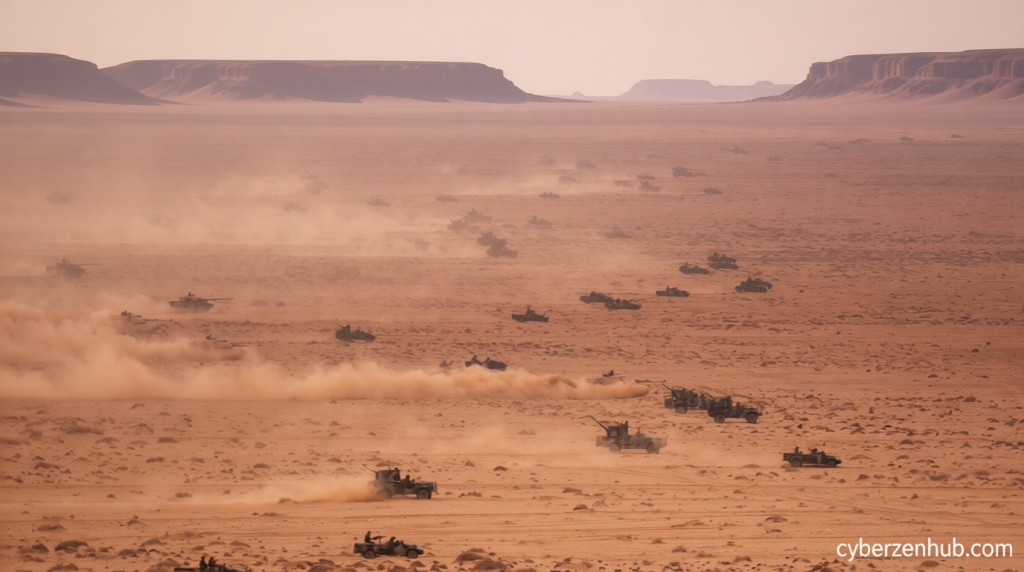
Remains of 2nd U.S. Soldier Missing in Morocco Recovered
Army Confirms Recovery After Multi-National Search
Remains of 2nd US soldier missing – Casablanca, Morocco — The U.S. Army confirmed on Wednesday that the remains of a second service member, Spc. Mariyah Symone Collington, were successfully located during a military exercise in Morocco. This development marks the conclusion of an extensive search effort involving combined air, naval, and advanced technology resources. The recovery brings closure to the case of a 19-year-old Florida native who had gone missing earlier this year.
“Royal Moroccan Armed Forces transported the soldier’s remains by a Moroccan helicopter to the morgue of Moulay El Hassan Military Hospital in Guelmim, Morocco,” said a statement from U.S. Army Europe and Africa.
Collington, a 14P air and missile defense crewmember, was assigned to Charlie Battery, 5th Battalion, 4th Air Defense Artillery Regiment. Her service with the 10th Army Air and Missile Defense Command highlights her role in safeguarding strategic assets during multinational operations. The Army noted that she had entered the Delayed Entry Program in 2023 before transitioning to active duty in 2024.
Training and Service Background
Collington’s journey began at Fort Sill in Oklahoma, where she completed Basic Combat Training and Advanced Individual Training. These programs equipped her with the skills necessary for her specialized position in air and missile defense. She officially joined Charlie Battery in February 2025, after being stationed in Ansbach, Germany, as part of the 5th Battalion, 4th Air Defense Artillery Regiment.
Her career progression included a promotion to specialist on May 1, 2026. This milestone underscores her dedication to the military and the rigorous training she underwent. The Army highlighted her award of the Army Service Ribbon, which recognizes her service commitment and professional growth. Despite the tragic loss, her contributions to the unit remain significant.
Search Operation and Technological Assets
The search for Collington, which began after she was reported missing on May 2, involved a wide array of resources. Over 1,000 U.S. and Moroccan personnel participated in the effort, including military and civilian teams. Advanced equipment such as the U.S. Navy P-8 Poseidon aircraft, unmanned aerial systems, and thermal imaging sensors played a critical role in narrowing down the search area.
Additionally, the operation utilized an unmanned underwater vehicle and side-scan sonar to detect underwater anomalies. Moroccan assets, including a multibeam echosounder, contributed to the success of the mission. The U.S. Coast Guard also provided drift modeling capabilities to track potential movement patterns of the missing soldier’s remains.
The search was prompted by the disappearance of Collington and another soldier, 1st Lt. Kendrick Lamont Key Jr., during an off-duty recreational hike. Both service members were part of African Lion 26, a U.S.-led multinational exercise conducted in April across Morocco, Tunisia, Ghana, and Senegal. The event involved over 7,000 personnel from more than 30 countries, emphasizing its importance in fostering international military cooperation.
Historical Context of Incidents
This incident follows a similar tragedy that occurred in 2012, when two U.S. Marines were killed and two others injured in a helicopter crash near Agadir, Morocco. The event took place during an earlier iteration of the African Lion exercise, underscoring the ongoing risks associated with military operations in the region. The current search operation, however, leveraged modern technology to enhance efficiency and accuracy.
The military’s spokesperson for the Southern European Task Force, Africa, emphasized that the circumstances surrounding the disappearance of Collington and Key are still under investigation. While the exact cause of their fall from a cliff remains unclear, the recovery of their remains is a testament to the collaborative efforts between U.S. and Moroccan forces.
Collington’s recovery also serves as a reminder of the challenges faced by service members during off-duty activities. Despite the structured nature of military exercises, unexpected events such as recreational hikes can lead to critical incidents. The Army Europe and Africa statement highlighted the importance of maintaining vigilance even during non-combat scenarios.
With the remains of both soldiers now en route to the United States, the focus shifts to honoring their service and providing closure to their families. The use of artificial intelligence and other cutting-edge tools in the search operation reflects the evolving nature of military logistics and rescue efforts. These technologies not only improve response times but also increase the likelihood of locating missing personnel in remote or challenging environments.
Impact on International Collaboration
The African Lion exercise exemplifies the strategic partnerships between the U.S. and its allies in the Southern European region. The multinational nature of the event allows for the exchange of expertise, resources, and operational insights. Collington and Key’s recovery further strengthens the confidence of participating nations in the effectiveness of such joint missions.
As the military continues to analyze the incident, the focus remains on ensuring the safety of personnel involved in both official and informal activities. The search operation, which spanned multiple countries and utilized advanced technology, demonstrates the commitment to resolving such cases swiftly. The integration of air, naval, and AI assets highlights the complexity of modern search and recovery efforts.
In addition to the physical recovery, the emotional toll on the families of the missing soldiers is being addressed. The Army has expressed its condolences and is working closely with Moroccan authorities to ensure a seamless process for the transportation and identification of the remains. The legacy of Collington and Key will be remembered through their service records and the honors bestowed upon them.
As the search concludes, the U.S. military remains dedicated to supporting families affected by such incidents. The collaboration with Moroccan forces during this operation sets a precedent for future joint missions, showcasing the importance of unity in overcoming challenges. The successful recovery of the second soldier reinforces the resilience and coordination of international military teams.
Looking Ahead
With the two soldiers’ remains now being processed for return to the United States, the focus turns to commemorating their service. The military is also using this case to evaluate safety protocols during off-duty exercises, ensuring that similar incidents are minimized in the future. The lessons learned from this event will be integrated into training programs and operational planning for upcoming missions.
As the international community reflects on the significance of these recoveries, the story of Collington and Key stands as a reminder of the dedication and sacrifice of service members. Their presence in Morocco during the African Lion exercise highlights the ongoing role of U.S. forces in regional security and collaboration. The continued use of advanced technology in search operations ensures that such efforts remain at the forefront of military capabilities.
Ultimately, the recovery of the second U.S. soldier from Morocco marks a pivotal moment in the ongoing narrative of military service. The combined efforts of U.S. and Moroccan teams, supported by state-of-the-art equipment, demonstrate the power of international cooperation in addressing complex challenges. As the remains are prepared for transport back home, the service members’ contributions to global security are reaffirmed through their stories and the recognition they receive.