
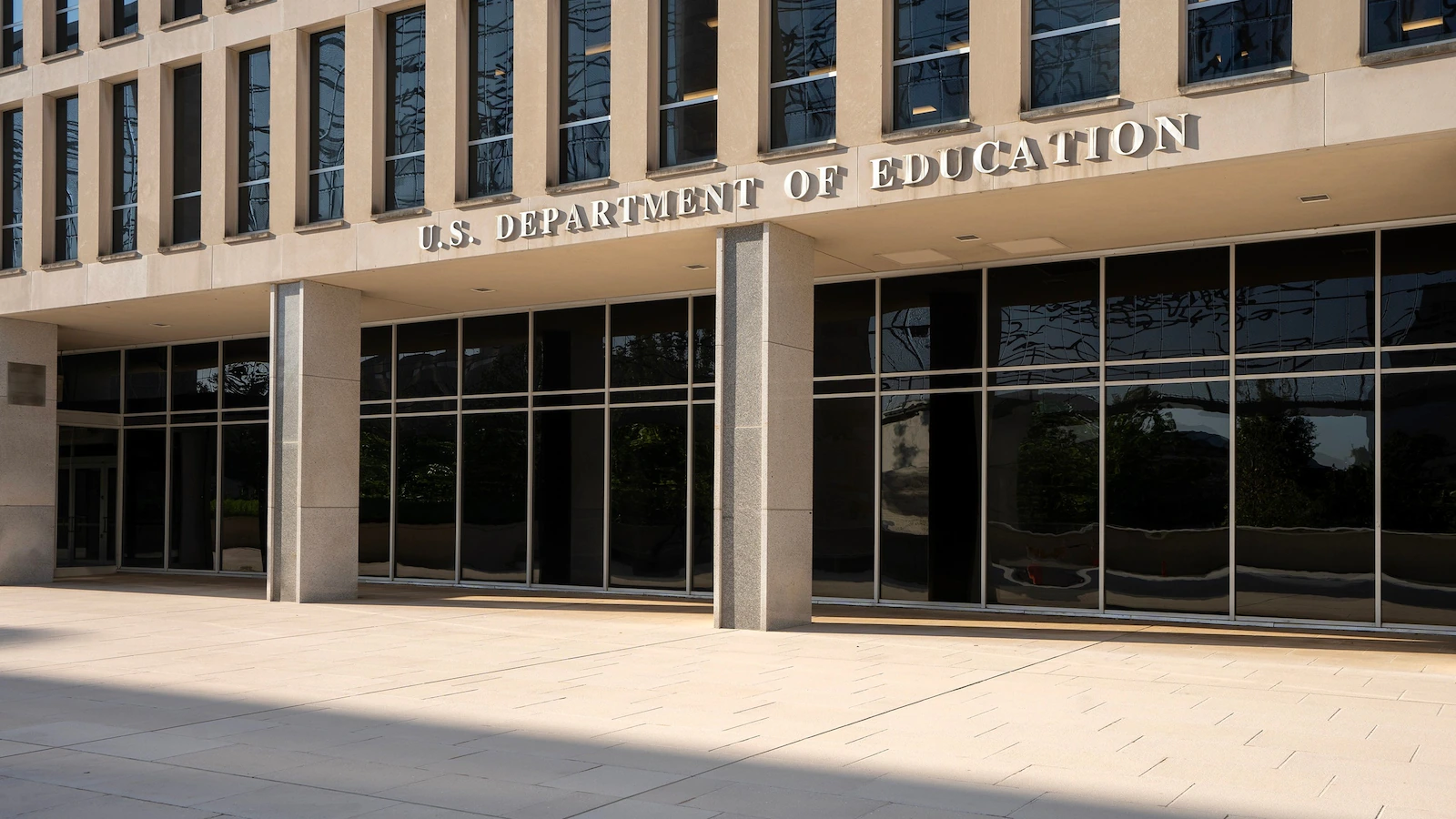
Department of Education Shifts Special Education Oversight to HHS
Cyberzenhub.com – The U.S. Department of Education has taken a major step by relocating its responsibility for special education programs to the Health and Human Services (HHS). This decision, part of a broader effort to streamline federal functions, aligns with the Trump administration’s goal of reducing the scope of the Department of Education. By transferring oversight of special education to HHS and civil rights enforcement to the Justice Department, the move aims to improve efficiency and focus on core educational priorities. The shift is formalized through four interagency agreements, reflecting a reorganization that seeks to realign federal resources with agencies specializing in related fields.
Reorganization and Its Implications
Under the new arrangement, the Office of Special Education and Rehabilitative Services (OSERS) will be placed under HHS, while the Justice Department will take charge of civil rights complaints. This change allows the Department of Education to concentrate on its primary mission: providing educational support and resources. Advocates argue that this shift could weaken protections for students with disabilities, as HHS operates under a medical model, which may not fully address the unique educational needs of these learners. Critics also question whether the transfer will lead to less accountability or reduced funding for critical programs.
Proponents of the reorganization, including Education Committee Chairman Tim Walberg, R-Mich., see it as a way to simplify federal bureaucracy and better serve students. “The Department of Education is being right-sized to focus on its core responsibilities,” Walberg stated, emphasizing the administration’s commitment to educational reforms. However, the transition has raised concerns among educators and families who worry about the long-term impact on special education policies. The Department of Education officials have assured that federal rights for students with disabilities remain unchanged, but the shift could signal a departure from traditional educational frameworks.
Special Education and Civil Rights in Focus
Special education programs currently serve millions of students nationwide, with the Individuals with Disabilities Education Act (IDEA) providing grants to support their needs. These funds total around $15 billion annually, according to the Department of Education. While the administration claims the transfer will not alter these rights, some experts argue that the move may shift priorities from educational outcomes to medical and health-focused approaches. For instance, the HHS model emphasizes health-related programs, potentially creating a disconnect between the medical and educational systems that support students with disabilities.
“Students with disabilities deserve an education model that prioritizes their learning needs, not just their medical conditions,” said a senior official from the Department of Education.
This perspective highlights a growing debate about how best to support students with disabilities. The National Parents Union’s Keri Rodrigues expressed concerns that the change could lead to a greater emphasis on medicalization rather than educational equity. “Our children’s rights should be protected by an agency that understands their academic challenges, not just their health requirements,” she added, urging a return to the education-centric model that has long been in place.
Broader Reforms and Decentralization
The restructuring of the Department of Education is part of a larger trend toward decentralizing federal programs. President Donald Trump’s 2024 campaign prioritized reducing the size of the federal government, with the Department of Education targeted for expansion. Secretary Linda McMahon has implemented over ten interagency agreements to realign the department’s functions, including the transfer of nearly $1.7 trillion in student loans to the Treasury Department in March. These measures reflect a strategic effort to shift more authority to state and local levels, though they have drawn mixed reactions from stakeholders.
Despite the criticisms, the Department of Education maintains that its reorganization will enhance efficiency and clarity. McMahon described the interagency agreements as a tool to better allocate resources, arguing that the changes will allow the department to operate more effectively. However, the move has also sparked discussions about the potential consequences for federal oversight in education. Advocates stress that while streamlining is beneficial, it must not come at the expense of student rights or the quality of special education services. As the transition unfolds, the long-term impact on millions of students will be closely watched.