Vance on The View Acknowledges Epstein Situation Room Meetings
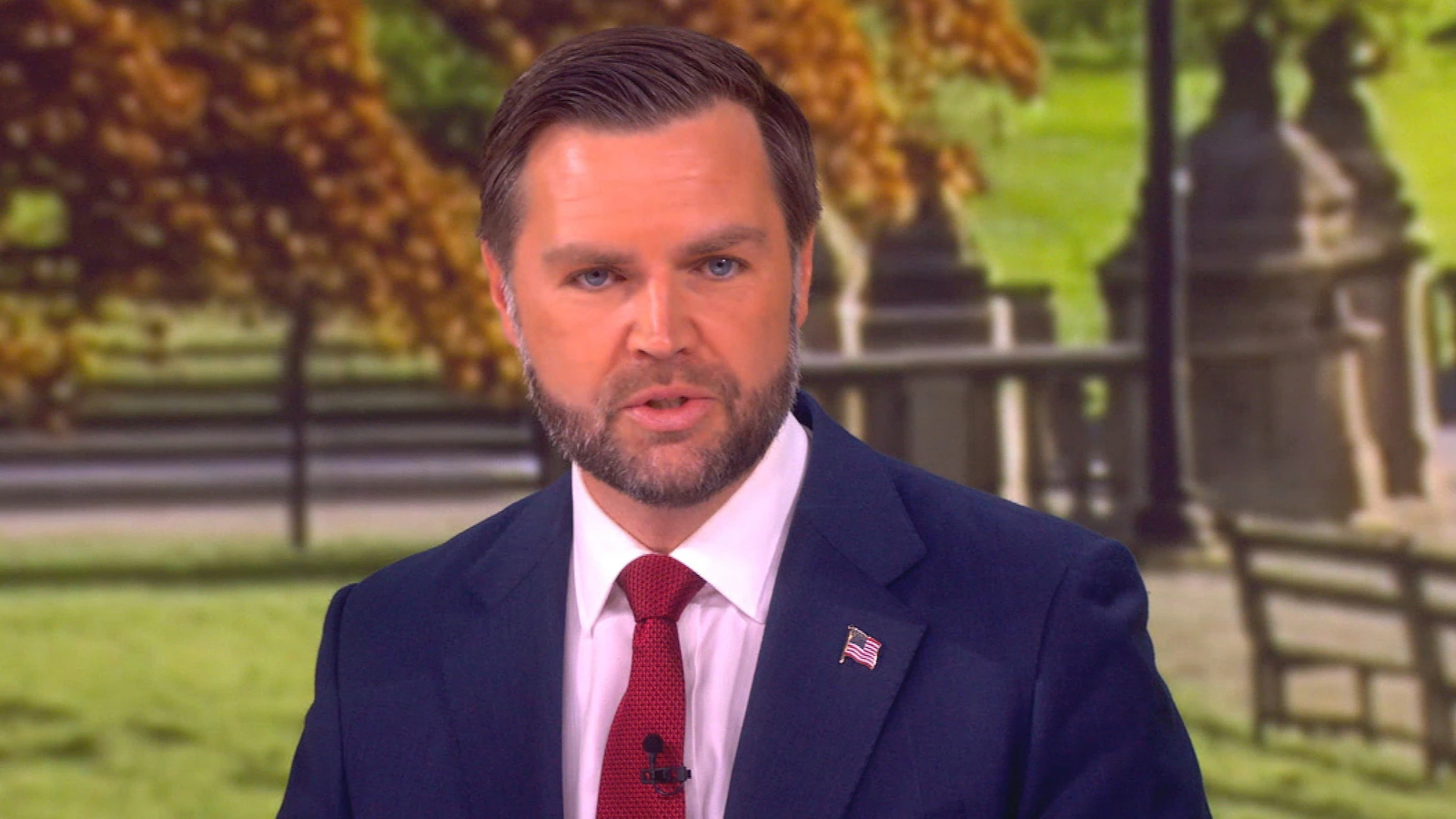
Cyberzenhub.com – During a recent interview on ABC’s The View, Vice President JD Vance made a notable statement regarding his participation in Situation Room meetings tied to the Jeffrey Epstein case. The segment, which aired on June 16, 2026, revealed Vance’s acknowledgment of the administration’s involvement in reviewing and discussing Epstein-related files. This admission came after a New York Times report detailed how top Trump advisors had convened in the Situation Room to address the ongoing investigation into Epstein’s network. Vance’s remarks highlighted the administration’s efforts to balance transparency with legal obligations, a topic that has drawn widespread scrutiny in recent weeks.
Vance’s Testimony and Legal Context
Vance’s appearance on the show provided a platform to clarify his stance on the Epstein files. When questioned about the withheld documents, he stated,
“That was one thing we confronted… there were a big bunch of files that existed. We wanted to release them, but you needed court approval to do so.”
This explanation underscored the administration’s internal debate over when and how to disclose information. While Vance confirmed his presence in the Situation Room meetings, he did not specify his exact role, leaving room for further analysis of his involvement in the case.
Despite his initial reluctance, Vance conceded that the Epstein files were a key point of contention. He described himself as “frankly kind of a conspiracy theorist on the Epstein stuff,” a label assigned by the New York Times. However, he defended the term, arguing it reflected the public’s broader skepticism about the administration’s handling of the documents. “That’s one of the things that’s true—some people called me a conspiracy theorist,” he said, emphasizing his commitment to transparency in government operations.
Trump’s 2006 Connection to Epstein
The discussion on The View also touched on Trump’s historical ties to Epstein. The New York Times noted that Trump had called a former police chief in July 2006, expressing relief that Epstein was being held accountable. “Thank goodness you’re stopping him, everyone has known he’s been doing this,” the chief reportedly told Trump. This call, which occurred during the early stages of the Epstein investigation, marked a rare moment of public support for law enforcement actions. However, no other records of Trump’s direct involvement in the case have been identified, casting doubt on the depth of his engagement with the scandal.
Vance, while not elaborating further on Trump’s role, suggested that the Situation Room meetings were part of a larger effort to address the fallout from Epstein’s alleged crimes. He emphasized that the administration had been proactive in its approach, even if the details of the files were still under review. “What I disagree with is the idea that the White House wasn’t committed to full transparency,” he asserted, positioning himself as a defender of the administration’s integrity during the crisis.
Epstein’s Legacy and the Legal Aftermath
Jeffrey Epstein, a convicted sex offender, died by suicide in 2019 while awaiting trial on federal sex trafficking charges. His death reignited public interest in the case, particularly as it was linked to prominent political figures. Epstein’s associate, Ghislaine Maxwell, was later convicted in 2022 for sex trafficking and other crimes, receiving a 20-year prison sentence. Vance’s admission of participation in the Situation Room meetings adds new context to the administration’s awareness of Epstein’s network and the potential implications for its reputation.
As the Epstein files remain a focal point of political discourse, Vance’s statements on The View have sparked renewed debate about the transparency of the Trump administration. His appearance, while brief, provided a glimpse into the internal discussions surrounding the case and its impact on political alliances. Analysts suggest that the Situation Room meetings were a strategic move to manage public perception and address concerns about the administration’s handling of the Epstein scandal.