Trump Unveils Lance Schroyer as Nominee for ICE Director
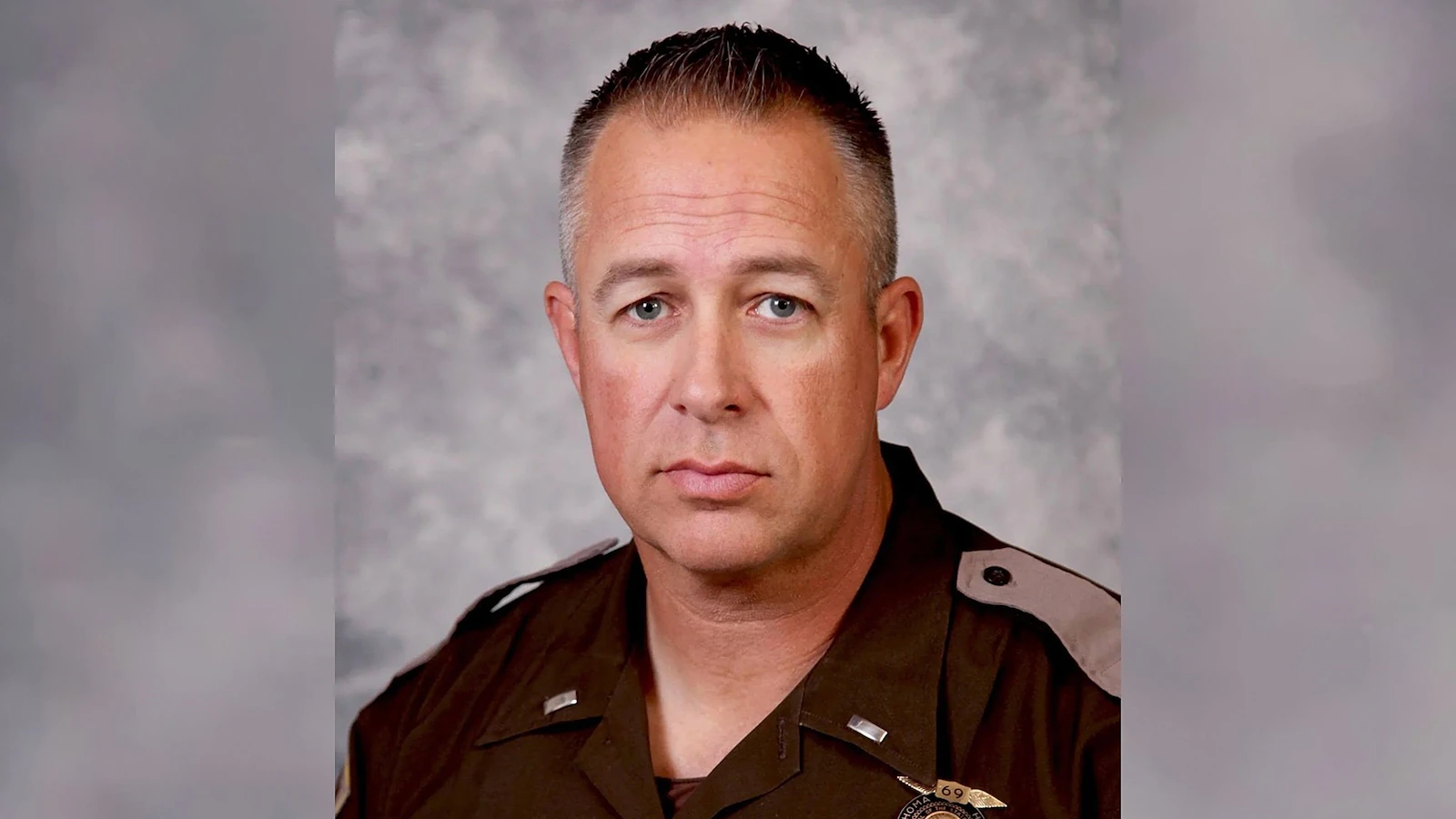
Cyberzenhub.com – On Saturday, President Donald Trump unveiled his choice for the next Immigration and Customs Enforcement (ICE) director, Lance Schroyer, a seasoned law enforcement professional from Oklahoma. The announcement marks a strategic move in the administration’s ongoing efforts to address immigration policy, with Schroyer expected to lead the agency in implementing stricter measures against undocumented individuals. This decision comes as part of a broader pattern of appointments aimed at reinforcing the administration’s priorities in border security and immigration enforcement.
Schroyer, who has spent nearly three decades in law enforcement, is no stranger to the challenges of managing large-scale operations. His career includes service as an Oklahoma State Trooper and a U.S. Marine, experiences that have shaped his approach to public safety. Trump highlighted these credentials in a social media post, describing Schroyer as a “PATRIOT with real operational experience” and emphasizing his reputation as a “proven leader with DECADES of experience locking up the worst of the worst.” The president’s endorsement underscores Schroyer’s alignment with the administration’s hardline stance on immigration.
“He is a PATRIOT with real operational experience, and proven leader with DECADES of experience locking up the worst of the worst,” Trump said in a social media post.
According to a source with knowledge of the decision, Schroyer was selected by Secretary of Homeland Security Markwayne Mullin, a former Oklahoma senator, to head the agency. This partnership has been long-standing, with Schroyer and Mullin previously working together in various capacities. The source noted that the choice reflects a deliberate effort to maintain continuity in the administration’s immigration strategy while leveraging Schroyer’s extensive field experience.
Meanwhile, David Venturella, who has served as the acting ICE director since taking over from Todd Lyons on May 31, will remain in the role until Schroyer’s confirmation. This transition is significant, as it follows a period of leadership changes within the Department of Homeland Security (DHS). Todd Lyons, the acting director during the first year of Trump’s second term, resigned in May, citing the need to prioritize family time. His departure was announced more than a month after Trump fired former DHS Secretary Kristi Noem, further highlighting the administration’s focus on reshaping its immigration enforcement apparatus.
ICE’s Leadership Vacuum and Political Context
Since 2017, ICE has not had a Senate-confirmed director, a gap that has allowed acting officials to shape the agency’s direction. Schroyer’s nomination aims to fill this void with someone who has a deep understanding of law enforcement operations and a track record of enforcing immigration policies. His background as a state trooper and military veteran is expected to bolster his credibility within the agency and among political allies.
However, the decision to appoint Schroyer has drawn mixed reactions. While supporters argue that his experience aligns with the administration’s goals, critics have raised concerns about the agency’s approach. The scrutiny intensified following the shooting deaths of two U.S. citizens, Renee Good and Alex Pretti, in Minneapolis in January 2025. These incidents, which occurred during routine immigration checks, sparked widespread debate over the use of force by ICE agents and allegations of racial profiling.
Despite the controversies, Trump has consistently defended ICE’s tactics, framing them as necessary to combat illegal immigration. Schroyer’s nomination is seen as a continuation of this philosophy, with the president emphasizing the importance of swift and decisive action. The new director will be tasked with overseeing the implementation of policies that have been central to the administration’s immigration agenda, including expedited removals and enhanced border security measures.
Challenges and Expectations for the New Nominee
As Schroyer prepares to assume his role, he faces a complex landscape of challenges. The agency has been at the center of debates over its detention practices and the treatment of immigrants, particularly those from Latin America. His leadership will be tested by balancing enforcement with humanitarian considerations, a task that has proven difficult for past directors. Additionally, the confirmation process will require navigating congressional hearings, where his record and policies will be scrutinized by lawmakers from both parties.
The choice of Schroyer also reflects a broader trend of appointing individuals with strong ties to the Republican Party. His connection to Mullin, a prominent figure in Oklahoma politics, suggests that the administration is prioritizing loyalty and shared policy goals. This alignment is expected to strengthen the agency’s operations under Trump’s leadership, though it may also raise questions about the independence of ICE in its decision-making.
With the confirmation process underway, Schroyer’s nomination has been welcomed by some as a fresh perspective on immigration enforcement. However, others remain skeptical, particularly given the agency’s recent actions and the ongoing criticism from Democrats, immigration advocates, and local officials. The new director will need to address these concerns while advancing the administration’s agenda, which includes increasing the number of deportations and expanding the use of detention facilities.
The announcement of Schroyer’s nomination comes as the Biden administration continues to debate its own immigration policies. While Trump’s approach has been characterized by its emphasis on rapid deportations and strict border controls, Biden has sought to introduce more lenient measures, such as expanding asylum access. This contrast highlights the differing priorities of the two administrations, with Schroyer’s appointment signaling a return to the traditional approach favored by Trump.
As the nomination progresses, the focus will shift to the confirmation process. Schroyer’s ability to secure Senate approval will be critical, as it will determine the stability of his leadership. His role as a senior advisor to Mullin has already demonstrated his capacity to navigate the complexities of the DHS, and many believe he will bring a similar level of expertise to the director’s position.
The selection of Schroyer also marks a new chapter for ICE, which has been a focal point of immigration policy under Trump. With his confirmation, the agency is poised to continue its aggressive enforcement tactics, potentially impacting the lives of thousands of immigrants. The new director will have the authority to implement policies that reflect the administration’s vision, though the long-term effects of these decisions will depend on the political climate and public sentiment.
In addition to his law enforcement background, Schroyer’s appointment underscores the importance of regional experience in national immigration policy. Oklahoma, a state with a strong conservative base and a history of strict immigration enforcement, has provided him with a unique perspective on the challenges faced by the agency. This background may prove valuable as he seeks to address concerns about the efficiency and fairness of ICE operations.
The image caption accompanying the article, which references a shooting at an ICE detention facility in Dallas, Texas, on September 25, 2025, adds context to the agency’s role in public safety. It serves as a reminder of the high-stakes environment in which ICE operates, where enforcement actions can lead to significant consequences. Schroyer’s leadership will be crucial in managing these risks and ensuring the agency’s effectiveness in its mission.
As the political landscape continues to evolve, the appointment of Lance Schroyer as the new ICE director nominee represents a key moment in the administration’s strategy. Whether he succeeds in unifying the agency’s approach or faces further challenges remains to be seen, but his nomination is a clear indication of Trump’s commitment to maintaining a hardline stance on immigration enforcement.