Supreme Court Set to Decide Fate of Birthright Citizenship
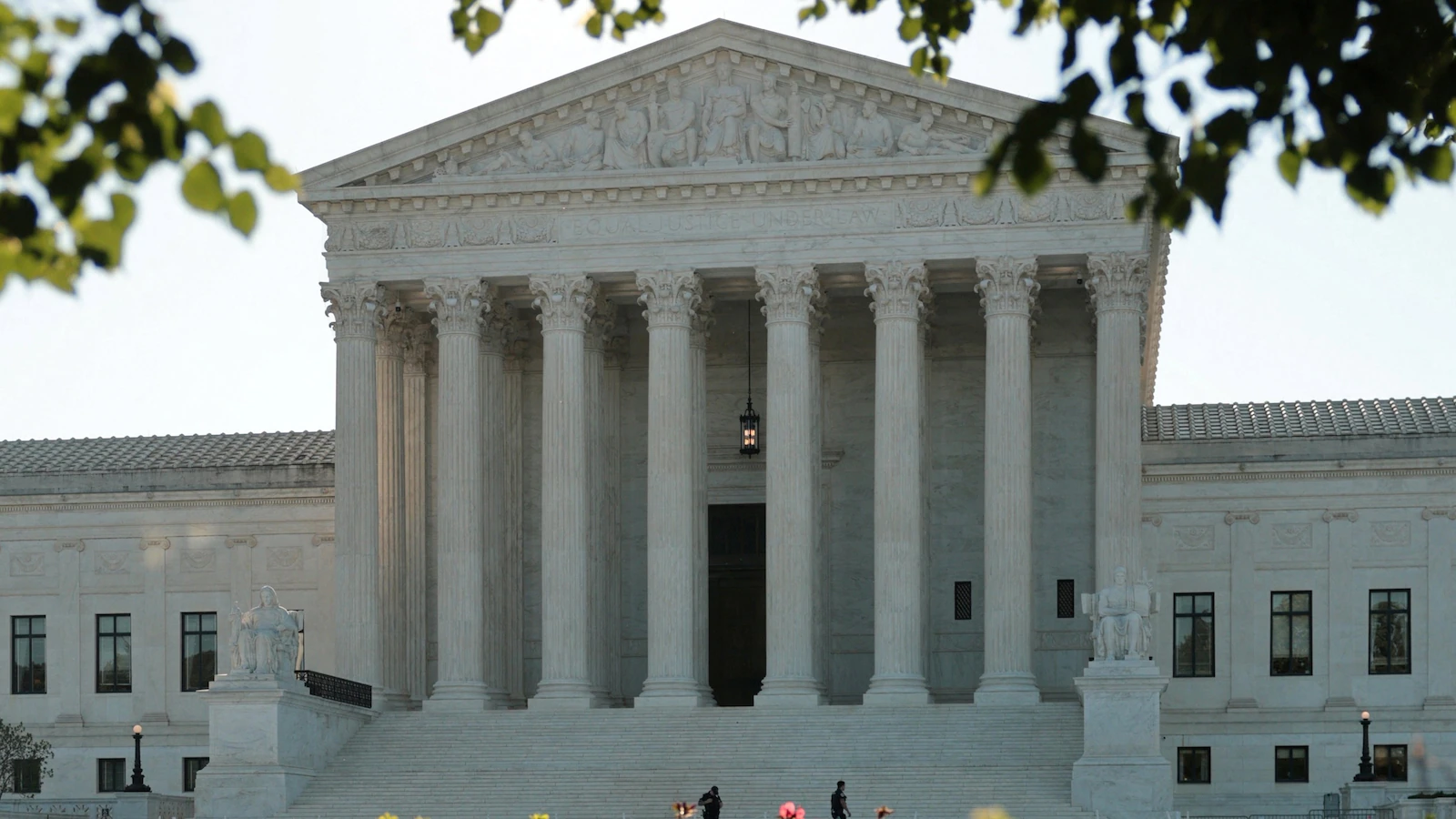
Cyberzenhub.com – As the U.S. Supreme Court prepares to deliver its decision on a pivotal issue, the potential end of birthright citizenship through an executive order has become a focal point of national discourse. This move, proposed by President Donald Trump during his second term, aims to redefine a legal principle that has been in place for over 150 years, sparking concerns about its impact on millions of children and their families. The ruling is anticipated to test the boundaries of presidential authority and reshape the landscape of American identity, with far-reaching consequences for immigration law and civil rights.
The Concept of Birthright Citizenship
Birthright citizenship, also known as jus soli, is a foundational legal principle that grants automatic citizenship to anyone born on the soil of a nation, irrespective of their parents’ immigration status. This concept has long been a cornerstone of U.S. nationality law, ensuring that children of undocumented immigrants, asylum seekers, and temporary residents are recognized as citizens from birth. The term “birthright citizenship” has been central to debates over the past decade, particularly as policymakers and legal experts scrutinize its implications for national demographics and border control.
“All persons born or naturalized in the United States, and subject to the jurisdiction thereof, are citizens of the United States.”
This constitutional clause, enshrined in the 14th Amendment, has been interpreted to include individuals born to noncitizen parents in the country, even if those parents are not legally authorized to reside there. The amendment, ratified in 1868, was designed to secure civil rights for formerly enslaved people, yet its language has since been applied broadly to all children born on American soil. The Supreme Court’s interpretation of this provision will determine whether the current framework remains intact or is restructured under Trump’s proposed changes.
How Birthright Citizenship Functions in the U.S.
Under the existing system, nearly every child born in the United States automatically receives citizenship, with few exceptions. For example, children born to foreign diplomats or those in military bases may be excluded if their parents are not under U.S. jurisdiction. This rule has been instrumental in granting legal status to over 3.6 million infants annually, enabling them to access essential services like Social Security numbers, passports, and early childhood benefits. As these children grow, their birth certificates serve as the primary document for proving citizenship in adulthood, facilitating activities such as voter registration, employment, and military enlistment.
Historically, the U.S. has maintained this approach to citizenship, even as its population grew more diverse. The 14th Amendment’s clarity has been reinforced by federal statutes, including the 1940 Nationality Act, which codified the principle. Courts have consistently upheld this interpretation, recognizing that birthright citizenship reflects a commitment to inclusivity and a shared national identity. However, Trump’s executive order seeks to challenge this long-standing tradition by narrowing the definition of “jurisdiction” and introducing a stricter criteria for eligibility.
Global Perspectives on Birthright Citizenship
While the U.S. stands as a primary example of jus soli, other nations also adopt similar policies. According to Pew Research Center data, 32 countries have birthright citizenship laws nearly identical to the American model, while an additional 50 nations provide limited versions of this principle. For instance, Brazil, Canada, Argentina, and Mexico mirror U.S. provisions, allowing children of immigrants to claim citizenship upon birth. In contrast, European countries like France, Greece, and Spain tend to restrict birthright citizenship to those born to native-born parents, emphasizing bloodline over place of birth.
Some countries, such as Australia, Germany, and the United Kingdom, offer automatic citizenship to children of legal residents, bridging the gap between jus soli and jus sanguinis. This variation highlights the diverse approaches to national identity worldwide, with the U.S. maintaining a more inclusive stance. The Supreme Court’s ruling may prompt a reevaluation of how the United States positions itself within this global framework, potentially aligning more closely with stricter policies or reinforcing its tradition of birthright citizenship.
President Trump’s Argument for Ending Birthright Citizenship
President Trump’s executive order hinges on the premise that children born to undocumented parents are not fully subject to U.S. jurisdiction. By reinterpreting the 14th Amendment, he asserts that these children should not automatically gain citizenship, as their parents’ presence in the country may be transient or unlawful. The order would require parents to demonstrate a “domicile” in the United States, effectively tying citizenship to a more permanent residency status.
Trump’s rationale emphasizes the need to control immigration and reduce the number of individuals claiming American citizenship without meeting certain legal criteria. He argues that the current system incentivizes unauthorized immigration, as parents can gain residency by giving birth to a child in the U.S. This shift would impact approximately 3.6 million children annually, altering their access to benefits and opportunities. The president’s move has been met with both support and criticism, with opponents warning of its potential to disrupt the social fabric and marginalize vulnerable populations.
Implications of the Supreme Court’s Decision
The upcoming ruling represents a critical juncture for U.S. immigration policy and the rights of children. If the Court upholds Trump’s executive order, it could pave the way for further legislative action to redefine birthright citizenship. Conversely, a decision to preserve the existing framework would reaffirm the country’s commitment to an inclusive approach, despite political pressures to tighten borders.
Legal scholars and advocacy groups are closely monitoring the Court’s interpretation of the 14th Amendment, as it may set a precedent for future cases. The ruling could also influence how other nations view the U.S. model, particularly in debates over the balance between national sovereignty and individual rights. For families in the U.S., the decision will determine whether their children are automatically granted citizenship or must navigate a more complex legal process to establish their status.
As the Court prepares to weigh in, the issue has sparked widespread discussion. Supporters of birthright citizenship argue that it is a fundamental right, ensuring that all individuals, regardless of their parents’ background, have equal opportunities to participate in American society. Critics, however, contend that it places an undue burden on the nation’s resources and undermines the principle of legal residency. The outcome of this case will not only shape the future of U.S. immigration but also redefine the nation’s understanding of what it means to be an American citizen.