Democratic Veterans Aim to Reclaim Patriotism in 2026 Elections
Cyberzenhub.com – As the 2026 midterm elections approach, a notable wave of Democratic veterans is entering the political arena, seeking to reshape the patriotic narrative traditionally held by the Republican Party. These candidates, leveraging their military experience, aim to demonstrate that loyalty to America is not confined to a single political ideology. With a focus on service, integrity, and national progress, they challenge the notion that patriotism is a Republican trademark, positioning themselves as champions of a broader, inclusive vision for the nation’s future. Their campaign highlights the urgency of connecting military values with contemporary political discourse, especially as public sentiment about national pride remains polarized.
The Patriotism Divide in Public Opinion
A recent Ipsos survey revealed a significant disparity in how Democrats and Republicans associate themselves with patriotic ideals. While 63% of Republicans strongly identified with being proud to be American, only 14% of Democrats expressed the same sentiment. Similarly, 65% of Republicans agreed that the United States is their preferred place to live, compared to 19% of Democrats. This data suggests a growing perception that the GOP embodies patriotism more prominently, leaving Democrats to navigate the challenge of rekindling their own connection to the concept. Yet, Democratic veterans running for Congress argue that this gap reflects a broader ideological divide, not a lack of patriotism.
Democrats are increasingly emphasizing that questioning government policies or leadership does not equate to disloyalty. Instead, they frame their critique as a form of active patriotism, rooted in the belief that a strong democracy requires vigilance and reform. This perspective aligns with the candidates’ efforts to bridge the gap between their military service and political engagement, proving that patriotism can be both a personal and collective endeavor. By spotlighting their experiences, they hope to redefine what it means to love and serve the nation in today’s political climate.
Patriotism in Action: Voices from the Field
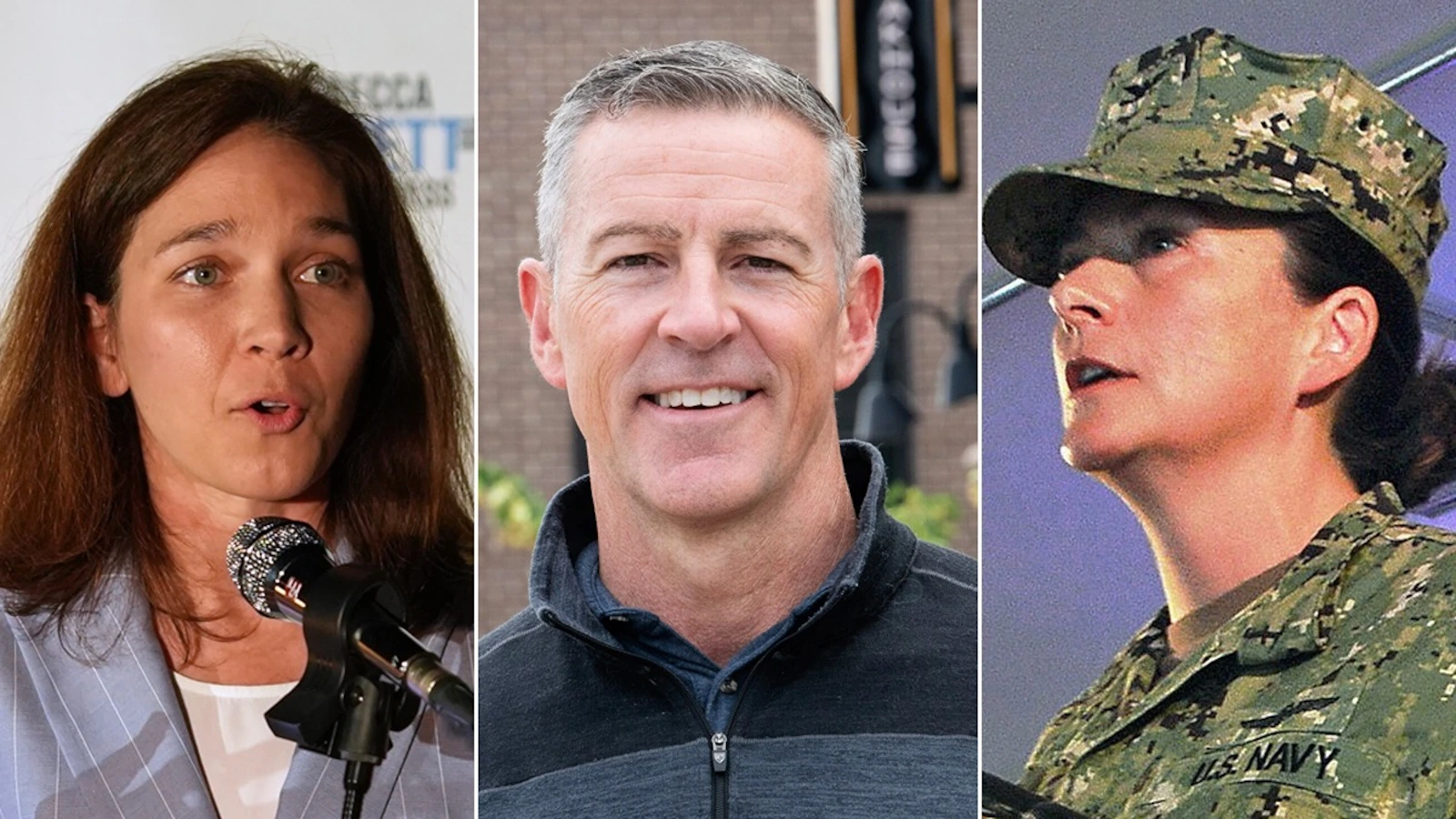
Nancy Lacore, a retired vice admiral and former Chief of Navy Reserve, is one of the Democratic veterans running for Congress. Her campaign in South Carolina underscores a message that patriotism is about service, not political alignment. “Patriotism belongs to all who put their country first,” Lacore stated in an interview with ABC News. “Whether you’re in uniform or advocating for change in Congress, the essence of being a patriot is about commitment, not just flag-waving.” Her experience in the military, which spanned decades, informs her approach to bridging the divide between veterans and the political process.
Leela Gray, a retired Army brigadier general, echoes this sentiment in her bid to unseat Rep. Anna Paulina Luna in Florida. Gray emphasizes that her military career taught her the value of unity and purpose, qualities she believes can transcend partisan lines. “When I was in uniform, it didn’t matter if someone was a Democrat, Republican, or independent,” she explained. “What mattered was whether they could be trusted to stand by their word and support the people around them.” Her campaign, like others, highlights the shared values between military service and political advocacy, challenging the GOP’s dominance in the patriotism conversation.
Patrick Schmidt, a former naval intelligence officer now serving in the Army Reserve, represents another facet of this movement. His campaign in Kansas focuses on aligning veterans’ experiences with the Democratic Party’s platform, arguing that patriotism is not a monolithic concept. “We’re not losing the plot,” Schmidt said. “Patriotism is about caring for the country and wanting it to thrive, regardless of which party you’re part of.” By highlighting their dedication to the nation’s well-being, these veterans are attempting to carve a new identity for patriotism within the Democratic fold.
Rebuilding Trust Through Shared Values
The efforts of Democratic veterans running for Congress are part of a larger strategy to reconnect with voters on issues of national pride. These candidates are not only emphasizing their military backgrounds but also linking them to policy proposals that resonate with a patriotic vision. For instance, they advocate for stronger national security, healthcare, and economic policies, framing these as essential to America’s continued strength and prosperity. By aligning their service with actionable solutions, they aim to show that their commitment to the country is just as strong as that of their Republican counterparts.
Despite the GOP’s lead in public perceptions of patriotism, Democrats are confident that their message can resonate. “There’s no reason why a Democrat who served in the military can’t be a patriot,” said Noah Taylor, a former Army infantryman and co-founder of the nonpartisan group Leading Kansas. “In fact, questioning the system is what makes you a true patriot—because you’re not afraid to push for progress.” Taylor’s campaign, like others, underscores the idea that patriotism is not about blind allegiance but about fostering a nation that values both loyalty and improvement.