JetBlue Flight Alarms After Hitting Drone During JFK Landing
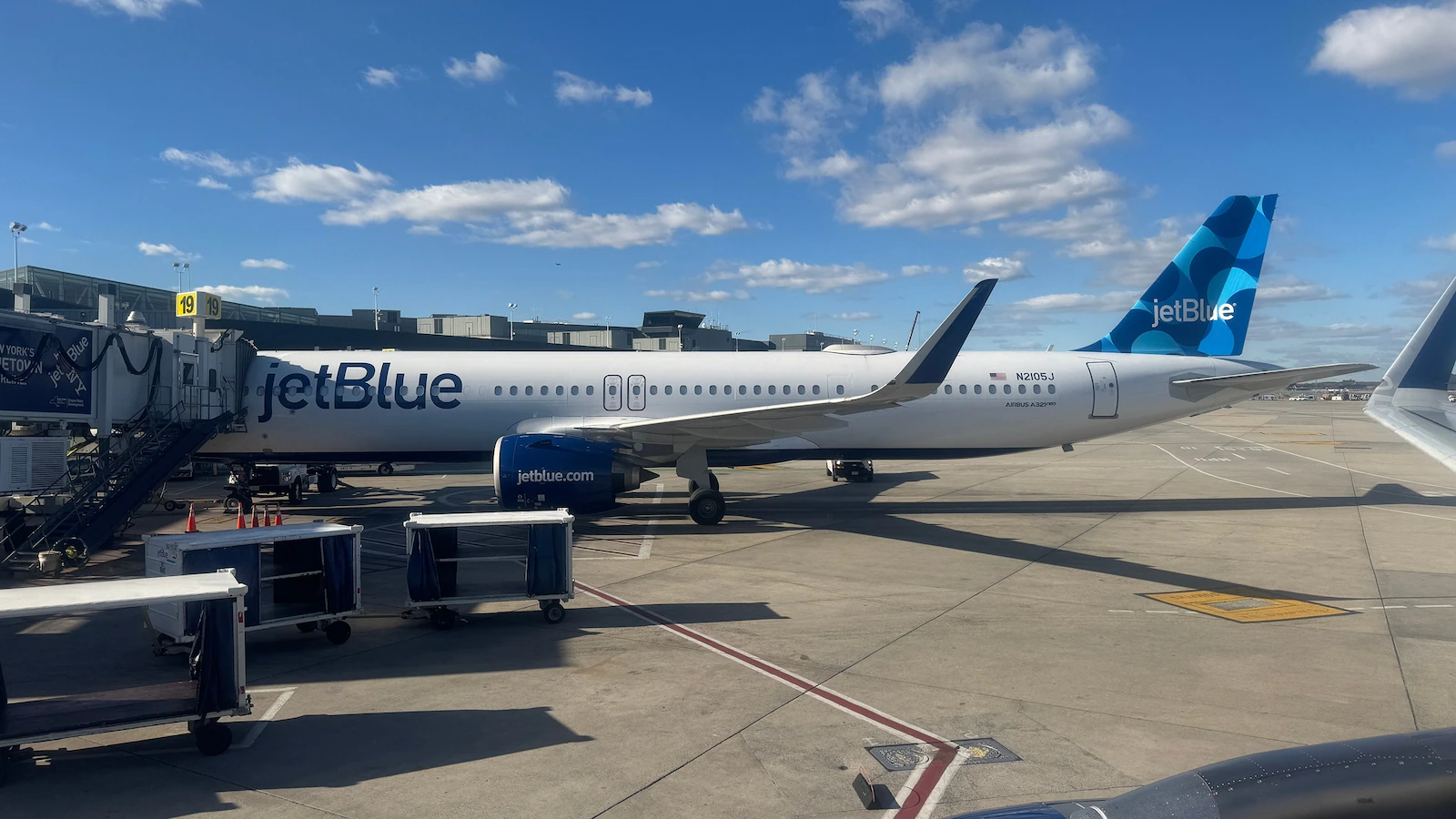
Cyberzenhub.com – On Monday morning, a JetBlue Airways pilot reported encountering a drone while the aircraft was nearing JFK Airport, according to the Federal Aviation Administration. The incident occurred during the final approach phase, with the pilot communicating the event to air traffic controllers. Despite the collision, the plane completed its landing safely, and both the airline and FAA confirmed that no damage or evidence of a direct impact was discovered during subsequent inspections.
Federal Aviation Administration Initiates Investigation
The FAA issued a statement confirming the incident, emphasizing its commitment to ensuring aviation safety. The agency highlighted that it regularly monitors drone activity near airports and is now conducting a thorough investigation to determine the cause and circumstances of the collision. This includes reviewing the pilot’s communication with air traffic control and analyzing any available data from the aircraft’s systems.
JetBlue Airways reaffirmed its dedication to passenger safety in a separate statement, stating that it would fully cooperate with the FAA’s inquiry. “Safety is our top priority, and we will support any investigations that aim to understand the incident,” the airline said. The pilot’s account of the event, recorded and shared by ATC.com, provides critical details for the ongoing analysis.
Pilot’s Account of the Collision
“We collided with a drone back there in the turn as we were coming to ASALT, just wanted to pass to you,” the pilot told an air traffic controller, referencing the waypoint for flights arriving in the New York City area.
The pilot described the drone striking the aircraft approximately 3,000 feet above the ground, right above the cockpit. This height suggests the drone was likely in the airspace near the airport’s perimeter, possibly during a routine flight path. The pilot noted that no immediate assistance was required and that the aircraft remained in operational condition to continue with the landing procedure.
While the exact sequence of events is still under review, the FAA has indicated that the incident is a significant concern. Drones, or unmanned aerial vehicles (UAVs), have become a growing challenge for aviation authorities, as their increasing prevalence in urban areas raises the risk of mid-air collisions. This particular case underscores the need for stricter regulations and better coordination between drone operators and air traffic control systems.
Frequency of Drone Sightings and FAA Regulations
The FAA reports that it receives over 100 drone sightings near airports each month, a number that has surged in recent years. These reports often come from pilots, air traffic controllers, or ground personnel who notice drones in restricted airspace. The agency has implemented rules to manage drone traffic, requiring operators to maintain a safe distance from aircraft and to register their devices with the FAA.
Unauthorized drone operations near active flights or airports are considered violations of federal regulations. The law allows for penalties ranging from hefty fines to criminal charges, depending on the severity of the incident. In cases where a drone strike causes harm to an aircraft or passengers, operators could face additional legal repercussions, including possible jail time.
Recent incidents have prompted airlines and aviation authorities to advocate for stronger enforcement of drone regulations. For example, in December 2024, a drone sighting at JFK Airport temporarily forced the closure of runways, causing delays and disrupting flight schedules. This event, which occurred earlier that month, served as a reminder of the potential risks drones pose to air traffic.
Impact on Aviation Safety and Passenger Confidence
The collision with the drone has raised questions about the effectiveness of current safety protocols. While modern aircraft are designed with reinforced structures to withstand minor impacts, the incident highlights the vulnerability of planes to unexpected encounters with small, unregistered drones. Pilots are trained to handle such situations, but the frequency of these occurrences suggests that the existing measures may need to be updated.
JetBlue’s pilot described the collision as a “minor incident” but emphasized the importance of remaining vigilant. “We had to adjust our approach slightly, but the aircraft performed as expected,” the pilot added. This statement reflects the resilience of modern aviation technology, though it also underscores the need for improved detection systems and better communication between drone operators and pilots.
Experts warn that as drones become more sophisticated and widely used, the risk of collisions with commercial aircraft will continue to rise. “Drones are increasingly integrated into our daily lives, but their proximity to flight paths remains a critical safety issue,” said an aviation safety analyst. The FAA is currently working on new guidelines to mitigate this risk, including the use of geofencing technology to prevent drones from entering restricted areas.
In addition to the immediate safety concerns, the incident has sparked discussions about public awareness. Many drone operators are unaware of the regulations governing their use, particularly in areas close to airports. The FAA has launched educational campaigns to inform users about the importance of keeping drones out of flight zones, especially during peak traffic hours.
Broader Implications for Airspace Management
The FAA’s response to the JetBlue incident is part of a larger effort to manage drone traffic in the national airspace system. With over 1 million drones registered in the United States, the agency faces the challenge of balancing innovation with safety. “We are committed to adapting our systems to accommodate this new technology while protecting the safety of all aircraft,” said a FAA spokesperson.
Drone operators are now being encouraged to take proactive steps to prevent such incidents. This includes using real-time tracking systems, maintaining visual contact with their drones, and adhering to designated flight paths. The FAA also plans to expand its drone monitoring capabilities, incorporating advanced radar technology to detect UAVs in the airspace around major airports.
Meanwhile, the airline industry is pushing for more comprehensive solutions. Airlines like JetBlue are investing in research to develop new safety technologies, such as drone detection systems that can alert pilots to potential threats in real time. These systems would allow for quicker responses and could prevent collisions before they occur.
The incident at JFK serves as a case study in the evolving landscape of aviation safety. As drones become more common, the FAA and airlines must work together to ensure that the skies remain secure. “This event is a wake-up call for all stakeholders to prioritize safety in the age of unmanned aerial vehicles,” said the airline’s spokesperson.
Looking ahead, the FAA aims to publish updated guidelines by the end of 2024, focusing on drone integration into the airspace. These guidelines will include new requirements for operators, as well as enhanced training for pilots to handle drone encounters. The agency is also exploring partnerships with tech companies to develop better tracking and communication tools.