Disney Celebrates America: How Savannah Bananas are Bringing Baseball’s Past into the Future
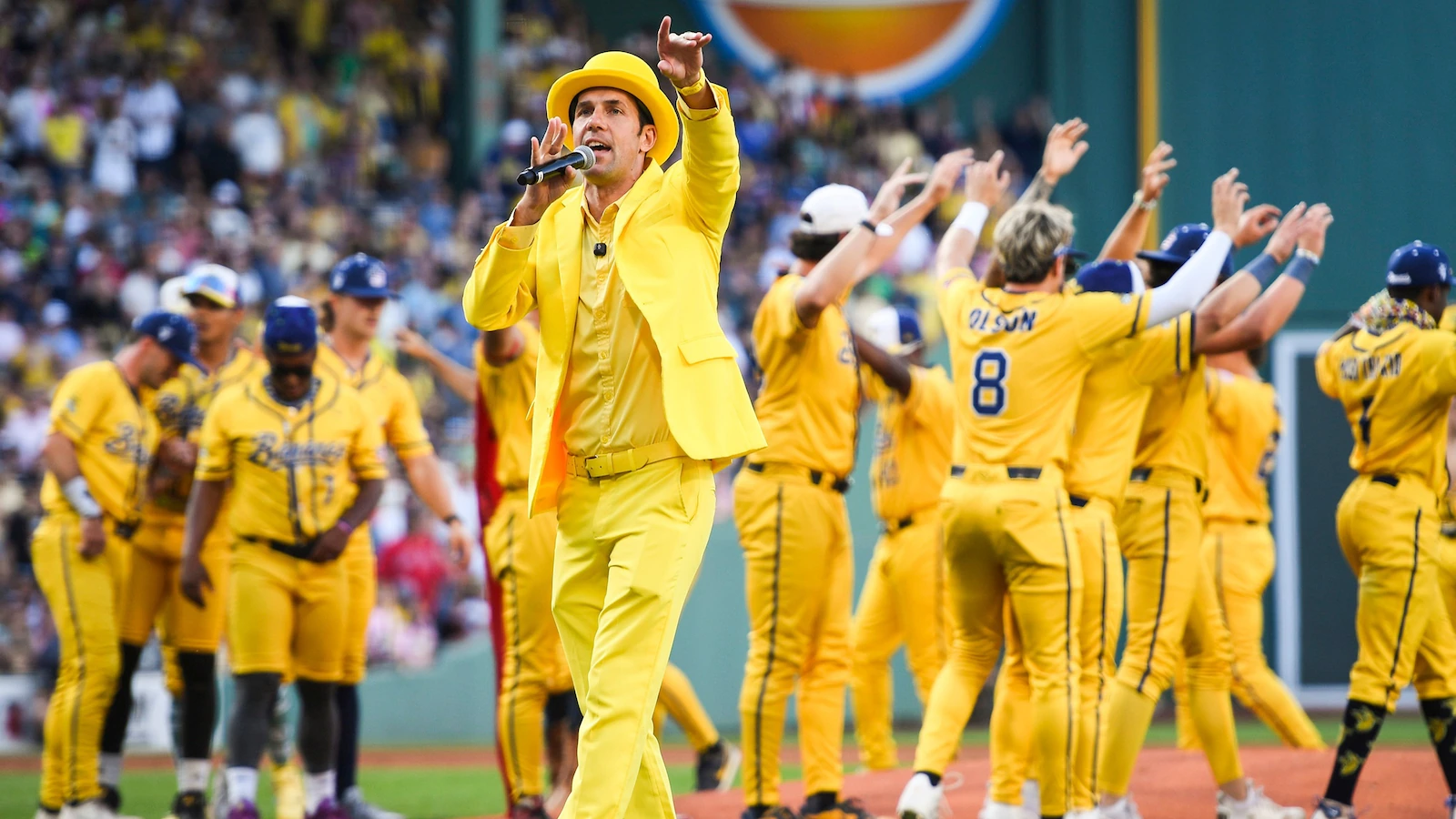
Cyberzenhub.com – America is embracing the eccentric charm of Savannah Bananas baseball, a unique blend of athleticism and entertainment that has captured the nation’s imagination. Since its inception in 2016, this exhibition team has become a cultural phenomenon, redefining the way baseball is played and viewed. Known for its high-energy, fan-centric approach, the team’s style—dubbed “Banana Ball”—has transformed the sport into a spectacle where players, coaches, and even umpires engage in spontaneous dance breaks, musical interludes, and whimsical antics during games. This creative fusion of tradition and innovation has not only energized crowds but also sparked a wave of excitement across social media platforms.
At the heart of the Savannah Bananas’ rise is its founder, Jesse Cole, a visionary who has expanded his ambitions far beyond a single team. The Banana Ball Championship League, which began as a grassroots venture, now features six teams competing across the United States. Cole’s vision has evolved to mirror the spirit of early baseball pioneers, who turned challenges into opportunities for joy and expression. “To see the growth and now have six teams playing all over the country … to see millions of fans watching our games through Disney and ESPN, is amazing,” Cole shared during the Disney Celebrates America: The Pursuit of Happiness special, a primetime event that highlights the nation’s enduring love for sports and storytelling.
A Historical Connection: Banana Ball and the Negro Leagues
As the Savannah Bananas gained traction, their antics drew attention from historians and cultural advocates, particularly Bob Kendrick, president of the Negro Leagues Baseball Museum. Kendrick, who has spent decades preserving the legacy of Black baseball, recognized parallels between the team’s lively style and the vibrant traditions of the Negro Leagues. “When I first saw the Bananas, I was blown away,” Kendrick said during an interview with ABC News. “You couldn’t take your eyes off the field. It reminded me of the energy and creativity that defined the Negro Leagues, especially the Indianapolis Clowns.” This connection ultimately led to a partnership between the team and the museum, bridging modern entertainment with a storied past.
The Negro Leagues, which flourished in the early to mid-20th century, were more than just professional sports leagues—they were a symbol of resilience and innovation in the face of segregation. Founded in 1990 by a group of former Negro League players, the Kansas City, Missouri museum serves as a testament to this legacy. It houses artifacts, photographs, and narratives that celebrate the contributions of Black athletes to American baseball and their role in the civil rights movement. Kendrick explained that these leagues “were born out of the ashes of American segregation,” offering a space for talent and expression when Black players were barred from Major League Baseball (MLB) due to racial barriers.
One of the most iconic teams from this era was the Indianapolis Clowns, a group known for their theatrical flair and ability to captivate audiences. Kendrick described them as “essentially the Harlem Globetrotters of baseball,” noting that players would don clown costumes and perform elaborate routines before, during, and after games. This blend of sport and showmanship, though distinct from the technical precision of MLB, mirrored the creativity that defined the Negro Leagues. The Clowns, who won four championships in the 1950s, were a testament to the power of community and artistry in baseball, even as the sport faced significant social challenges.
The Decline of the Negro Leagues and the Rise of Integration
The decline of the Negro Leagues began in earnest after Jackie Robinson broke the color barrier in MLB in 1947. Robinson’s historic debut with the Brooklyn Dodgers not only elevated the profile of Black athletes but also redirected attention and talent toward the major leagues. As a result, the popularity of the Negro Leagues waned, with fans increasingly drawn to the mainstream circuit. Kendrick reflected on this shift, stating, “When you went to a Negro Leagues game, you couldn’t go to the concession stand, because you might miss something you’d never seen before.” This anecdote underscores the urgency and excitement that defined the era, as players and fans alike fought to keep the game alive in a time of racial exclusion.
Despite the decline, the Negro Leagues left an indelible mark on American sports culture. Their innovative playing styles, community engagement, and cultural influence paved the way for future generations of athletes and fans. The Indianapolis Clowns, for example, were not only champions on the field but also entertainers off it, using their performances to challenge stereotypes and celebrate Black identity. This legacy of resilience and creativity now resonates with the Savannah Bananas, whose modern-day approach echoes the spirit of their predecessors.
In 1959, the Boston Red Sox became the final MLB team to integrate, marking a pivotal moment in the sport’s history. By the early 1960s, the Negro Leagues had largely disbanded, unable to sustain themselves in the face of the major leagues’ growing dominance. Yet, their impact endured, inspiring movements that would eventually reshape American society. Today, the Savannah Bananas and the Negro Leagues Baseball Museum collaborate to honor this history, ensuring that the stories of the past remain relevant in the present. The team’s performances, which often feature historical references and cultural nods, serve as a bridge between the old and the new, reminding audiences of the struggles and triumphs that shaped the sport.
As the 2026 tour approaches, the Savannah Bananas are set to play 190 games across 45 states, drawing sold-out crowds of over 3 million fans. This massive scale of engagement reflects the team’s growing influence and the broader appeal of their unique style. Kendrick, who first encountered the Bananas at a game in 2025, has become a vocal advocate for their partnership. “The Clowns’ legacy is still alive in the way they entertain and inspire,” he said. “The Savannah Bananas are carrying that torch, showing how baseball can be both a sport and a celebration of joy.” Their collaboration with the museum not only educates fans about the Negro Leagues but also highlights the continuity of American baseball’s rich history.
Disney’s The Pursuit of Happiness special, aired on June 29, 2025, from 8 to 10 p.m. ET, showcases this intersection of past and present. The event, which features the Savannah Bananas as a central focus, explores how American stories of perseverance and innovation continue to shape cultural narratives. Through a mix of archival footage, modern performances, and interviews with key figures like Jesse Cole and Bob Kendrick, the special emphasizes the unifying power of baseball. As Kendrick noted, the Negro Leagues “created a league of their own” when they were denied entry into MLB, a testament to the ingenuity of the Black community in the face of adversity.
The Savannah Bananas’ journey mirrors that of the Negro Leagues in many ways. Both groups embraced creativity to overcome limitations, transforming the game into a platform for expression and celebration. While the team’s antics may seem lighthearted, they carry a deeper significance, honoring the traditions of a bygone era. As Cole and Kendrick work together to connect the past with the present, their efforts remind us that baseball is more than just a sport—it’s a reflection of American society, its struggles, and its triumphs. Through their collaboration, the Savannah Bananas are not only entertaining fans but also rekindling interest in the rich history that has shaped the game we love today.
With their 2026 tour and continued partnership with the Negro Leagues Baseball Museum, the Savannah Bananas are proving that the spirit of Banana Ball can transcend time. They are a living tribute to the resilience of early baseball pioneers, who turned challenges into opportunities for innovation. As the team continues to gain traction, their story becomes a part of the broader narrative of American sports, illustrating how the past can inspire the future. Disney’s celebration of this journey, through the The Pursuit of Happiness special and other events, ensures that these stories remain in the public eye, fostering a deeper appreciation for the game’s history and its enduring legacy.