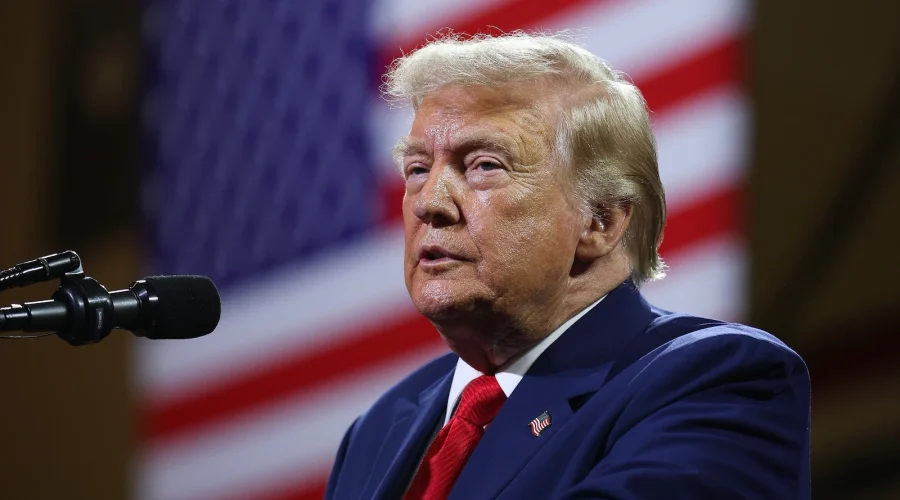
Trump set to impose sweeping tariffs: Trump Administration Announces Broad Tariff Expansion Across Global Partners Cyberzenhub.com – The White House is
Trump Administration Announces Broad Tariff Expansion Across Global Partners
Cyberzenhub.com – The White House is preparing to implement extensive tariff measures targeting sixty international trading partners, with the European Union among those affected. This announcement comes from a formal notice published Thursday by the office of U.S. Trade Representative Jamieson Greer. According to Greer’s statement, the new duties ranging from 10 to 12.5 percent aim to address violations related to forced labor practices worldwide.
These levies become effective starting Friday, building upon previous efforts to establish comprehensive trade duties that were previously invalidated by the Supreme Court earlier this year. The timing is significant, as the new tariffs launch simultaneously with the expiration of a separate 10 percent global tariff that was announced immediately following the high court’s decision.
Understanding the Tariff Structure
The administration has categorized trading partners into distinct groups based on their commitments regarding labor standards. Seventeen nations will face a 10 percent tariff rate, including Argentina, Bangladesh, Cambodia, Canada, Ecuador, El Salvador, Guatemala, Honduras, India, Indonesia, Jordan, Malaysia, Mexico, Pakistan, Sri Lanka, the United Kingdom, and Trinidad and Tobago.
The Trump administration says these countries have made commitments to adopt, and effectively enforce, forced labor import prohibitions.
Products originating from the European Union and Taiwan will also receive the 10 percent classification. Meanwhile, all remaining trading partners spanning forty-one nations will encounter a higher 12.5 percent tariff rate because they have not yet adopted forced labor import prohibitions.
Global Reach of the New Measures
The countries subject to the higher tariff rate include Algeria, Angola, Australia, the Bahamas, Bahrain, Brazil, Chile, China, Colombia, Costa Rica, the Dominican Republic, Egypt, Guyana, Hong Kong, Iraq, Israel, Japan, Kazakhstan, Kuwait, Libya, Morocco, New Zealand, Nicaragua, Nigeria, Norway, Oman, Peru, the Philippines, Qatar, Russia, Saudi Arabia, Singapore, South Africa, South Korea, Switzerland, Thailand, Türkiye, the United Arab Emirates, Uruguay, Venezuela, and Vietnam.
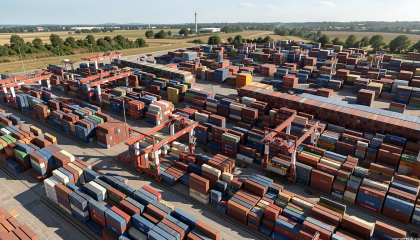
Importers generally pass along the financial burden of these tariffs to consumers through increased retail prices. Consequently, the new charges may contribute to higher costs for various household items as shoppers navigate a period of renewed inflation potentially linked to conflicts involving Iran.
Legal Framework and Historical Context
White House officials noted that this initiative closely mirrors a proposal the Trump administration originally issued in June. The finding of trade wrongdoing resulted from an investigation launched under Section 301 of the Trade Act of 1974, which authorizes duties when other nations implement unfavorable trade policies.
Trading partners impacted by this latest round of tariffs represent approximately 99 percent of all American imports. However, investment bank Macquarie previously informed ABC News that various exemptions would substantially reduce the overall impact of these measures.
Trump initiated this broad tariff action as a temporary 10 percent global charge was scheduled to conclude. Within hours of receiving an unfavorable Supreme Court ruling in February, the president applied the 10 percent tariff to nearly every import category using authority granted by a 1974 statute. This particular levy could remain active for up to 150 days, expiring at 12:01 a.m. Eastern Time on Friday.
Additional Recent Tariff Actions
The Friday implementation follows several country-specific duties introduced over recent days. On Monday, Trump announced a 50 percent tariff affecting certain Canadian products, such as hockey sticks and wine. The following day, he revealed a 100 percent tariff targeting generic pharmaceutical manufacturers, scheduled to begin in 2028. Additionally, a 25 percent duty was applied to select Brazilian items on Wednesday, covering clothing and agricultural equipment.
Extending the current tariff would have required congressional approval, but as of late Thursday, Trump seemed unlikely to obtain such authorization from lawmakers. When the original levy first took effect, the Yale Budget Lab projected it would generate approximately $800 in additional expenses for a typical American household throughout the 150-day period.
Related SEO Topics
- Home
- Artikel terkait Trump set to impose sweeping tariffs
- Member of Vance’s protective detail under investigation, Secret Service says
- Immigration enforcement becomes a flashpoint in Maine Senate race after fatal ICE shooting
- House passes bill that would ban members from buying stock
- House Judiciary Committee Chairman Jim Jordan issues criminal referral against former special counsel Jack Smith for alleged perjury
Frequently Asked Questions
What is Trump set to impose sweeping tariffs?
Trump set to impose sweeping tariffs is the main topic covered in this article, with practical context to help readers understand the subject clearly.
Why does Trump set to impose sweeping tariffs matter?
Trump set to impose sweeping tariffs matters because it helps readers compare options, avoid common mistakes, and make a more informed decision.
How should readers use this Trump set to impose sweeping tariffs guide?
Use the key points, examples, and related links in this page as a starting point, then review the latest details before making a final decision.