
Former White House COVID-19 response coordinator answers hantavirus questions
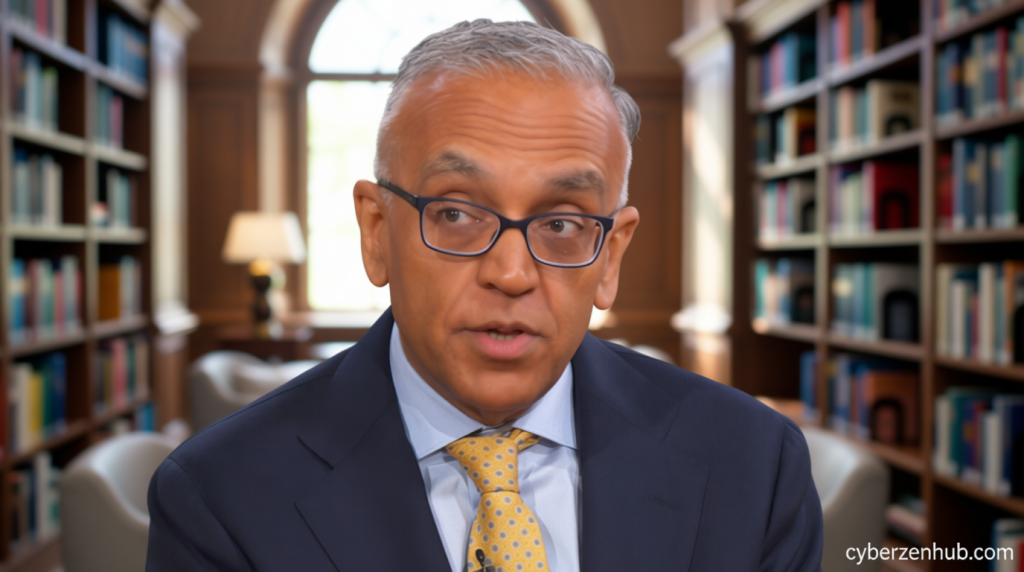
Former White House COVID-19 Response Coordinator Addresses Hantavirus Concerns
Former White House COVID 19 response – On Friday, Dr. Ashish Jha, the former White House coronavirus response coordinator under President Joe Biden, offered insight into the ongoing hantavirus outbreak linked to the Dutch cruise ship MV Hondius. While the situation has raised alarms, Jha emphasized that the virus is unlikely to escalate into a global pandemic. His comments came during an appearance on “Good Morning America,” where he tackled questions from viewers about the spread, severity, and future implications of the hantavirus.
The Hantavirus Outbreak on MV Hondius
The cruise ship MV Hondius, which set sail from Argentina in early April, has become the center of recent attention due to a hantavirus outbreak. Health officials have confirmed that three passengers have succumbed to the illness, with the total number of cases rising. This development has sparked discussions about the potential for the virus to spread further, but Jha reassured the public that the scenario is not as dire as a full-blown pandemic.
“I’m concerned about the people on the boat. I’m not concerned about everybody else,” Jha stated. “This is not going to turn out to be some pandemic. This is not a virus that spreads that easily. If you’re sitting at home watching, you’re going to be fine.”
Jha, who served as the White House’s COVID-19 response coordinator from 2022 until his departure, highlighted that the hantavirus lacks the contagiousness of diseases like COVID-19. Unlike the coronavirus, which thrived in crowded spaces and spread rapidly, hantavirus requires closer, prolonged contact to transmit between individuals. This distinction, he argued, makes it less likely to trigger a widespread global crisis.
Understanding Hantavirus: A Rare but Serious Threat
According to the Centers for Disease Control and Prevention (CDC), hantavirus infections in the United States have remained relatively low, with fewer than 900 cases documented since 1993. The virus, which can lead to severe respiratory illness and even death, is typically carried by rodents such as mice and rats. Transmission occurs primarily through exposure to their droppings, urine, or saliva, though rare instances of human-to-human spread have been reported.
The strain currently affecting the MV Hondius has been identified as the Andes virus, a type of hantavirus that is known to spread between people. However, Jha stressed that this occurrence is exceptional. “Hantavirus itself is pretty rare. This strain is rare—it’s the only one where you get spread from person to person,” he explained.
The World Health Organization (WHO) has noted that human-to-human transmission of hantaviruses is uncommon, with the Andes strain being the only exception. While the virus can occasionally move between individuals, the process is slow and requires extended proximity. This is in contrast to the rapid, airborne transmission of diseases like influenza or COVID-19.
Comparing Hantavirus to COVID-19: Key Differences
Jha used the current outbreak to draw a clear distinction between hantavirus and the coronavirus. “With COVID or flu, people sitting next to each other longer, hanging out, can infect each other,” he said. “With the Andes strain, it takes prolonged exposure over many, many hours before you can infect somebody.”
“COVID spread very, very easily, and it spread even when you didn’t have symptoms,” Jha added. “None of that is true for hantavirus. So this is something that is going to kind of burn itself out in the upcoming weeks or months.”
He pointed out that the pandemic potential of hantavirus is limited by its transmission dynamics. The virus does not replicate as efficiently in human populations, and it often takes time for symptoms to manifest. “Symptoms of hantavirus typically appear one to eight weeks after contact with the virus and may include fever, fatigue, and muscle aches,” the CDC explains.
The outbreak aboard the MV Hondius has also brought attention to the broader context of hantavirus in recent years. Last year, the virus made headlines after actor Gene Hackman’s wife, Betsy Arakawa, died from the disease. The couple was found dead in their New Mexico home in February 2025, marking a rare case of human-to-human transmission. This event, combined with the current cruise ship incident, has prompted renewed interest in the virus’s behavior and risks.
Current Measures and the Cruise Ship’s Journey
The MV Hondius is scheduled to reach Spain’s Granadilla Port on Sunday, where passengers will be moved in full protective gear. This protocol aims to minimize the risk of spreading the virus to the mainland. The ship’s passengers will then begin disembarking, with the focus on containing the outbreak within the confined environment of the vessel.
Jha’s analysis underscores the importance of understanding the specific characteristics of hantavirus. While it can pose a significant threat to those in close contact, its impact on the general population is likely to be minimal. “I don’t see this becoming some big global outbreak,” he said, emphasizing that the virus’s spread is far more limited than that of the coronavirus.
Despite the current cluster of cases, the World Health Organization and public health experts remain confident that the virus will not trigger a widespread crisis. The key factors are its transmission method and the relative rarity of its occurrence. “This is not a virus that spreads that easily,” Jha reiterated, offering a calm perspective on a situation that has already caused concern.
As the cruise ship continues its voyage, the world watches closely to see how the outbreak develops. Yet, for the broader public, Jha’s reassurance serves as a reminder that while hantavirus is a serious health threat, it does not possess the same capacity to ignite a global pandemic as the coronavirus did in 2020. The measures being taken on the MV Hondius, including isolation and protective equipment, reflect a proactive approach to managing the situation without overreacting to its potential scale.
Public health experts like Jha continue to play a critical role in interpreting viral outbreaks and communicating risks to the public. Their insights are vital in shaping understanding and response strategies, especially in an era where misinformation can quickly amplify fears. For now, the hantavirus outbreak on the MV Hondius remains a localized event, with experts like Jha providing a balanced view of its significance and its likelihood of becoming a larger crisis.
With the virus’s spread confined to the ship and the absence of symptoms driving rapid transmission, the situation is being closely monitored. While the three deaths are a tragic reminder of the virus’s severity, they do not indicate a looming global threat. Jha’s statements reinforce the idea that hantavirus, though dangerous, is a rare and manageable health challenge compared to the scale of the pandemic it preceded.
As the MV Hondius nears its destination, the focus shifts to ensuring the safety of both passengers and the communities they will eventually reach. Jha’s expertise, rooted in his experience with the coronavirus pandemic, provides a valuable framework for assessing this new outbreak. His analysis highlights the importance of context in evaluating public health risks, reminding us that while hantavirus is a concern, its impact is unlikely to rival that of the coronavirus in the near future.