Three Lawyers, One Mistrial: The Legal Minds Behind Lindsay Clancy’s High-Profile Murder Case
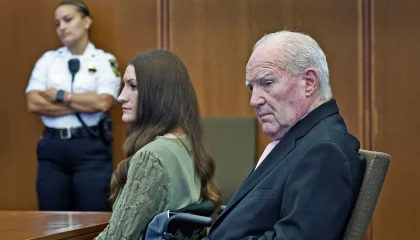
Cyberzenhub.com – When Judge William Sullivan called for a mistrial on September 4, 2026, after seven days of jury deliberation, the courtroom at Plymouth Superior Court in Massachusetts fell silent. But outside those walls, a very different kind of noise erupted. Millions of viewers who had followed every minute of the nearly six-week trial — streamed live online and carried on television — suddenly found themselves fixated not only on the mother at the center of the case, but on the three attorneys who had spent weeks shaping its narrative.
The trial concerned the deaths of three young children: Cora, age five; Dawson, age three; and infant Callan, all killed at the family’s home in Duxbury, a Boston suburb, on January 24, 2023. Lindsay Clancy pleaded not guilty to three counts of murder. The case drew an extraordinary volume of public attention, transforming what began as a local homicide investigation into a national conversation about maternal mental illness, criminal accountability, and the limits of jury deliberation.
With the jury sent home and no verdict reached, the legal team’s next move became the story. All three lawyers were scheduled to appear before the court on September 29 to determine what happens after the mistrial. Plymouth County District Attorney Timothy Cruz, speaking on Friday, declined to announce whether a retrial would proceed immediately, leaving the question open for the coming weeks.
The Defense: Kevin Reddington and the Postpartum Psychosis Argument
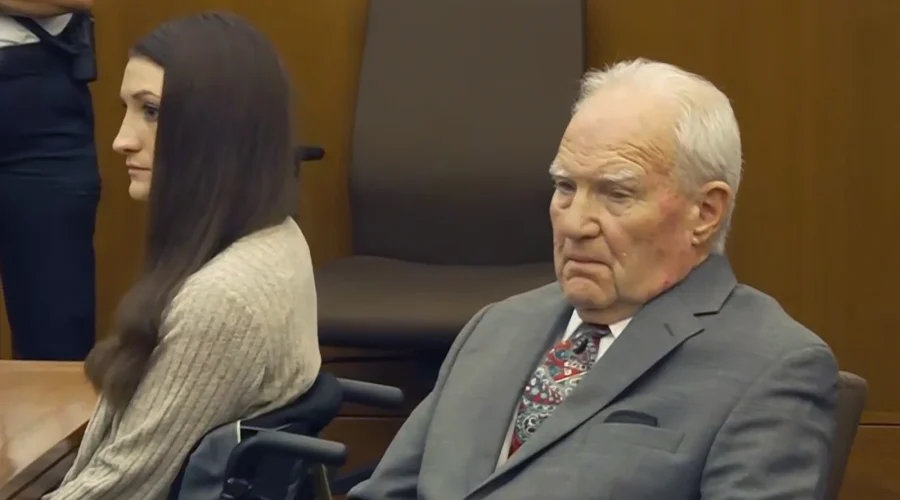
Kevin Reddington, a criminal defense attorney based in Brockton, Massachusetts — roughly 37 miles south of Boston — built his case around a single, emotionally charged thesis: that Clancy was experiencing postpartum psychosis at the time she strangled her children and then attempted to take her own life. Postpartum psychosis is a rare but severe psychiatric condition that can afflict new mothers in the weeks following childbirth, producing hallucinations, delusions, and a profound disconnection from reality. Reddington’s strategy was to convince the jury that Clancy’s actions, while tragic, were the product of a medical crisis rather than deliberate intent.
Reddington, who graduated from Suffolk University Law School in 1975, has practiced criminal defense for decades. His client roster, as reflected in news coverage linked from his professional website, has included figures from the world of organized crime, among them Catherine Greig, the longtime companion of Boston mob figure Whitey Bulger. In the Clancy matter, however, Reddington chose to represent his client personally, taking a seat beside her at the defense table every day of the trial. He acknowledged that his son, Patrick Reddington, also an attorney, assisted behind the scenes on the case.
In the aftermath of the mistrial, Reddington expressed genuine surprise at the scale of public fascination with his role. Pointing to the crowd of reporters and onlookers pressing around him, he offered this reflection:
“I figured it would have some connection with people dealing with postpartum depression, postpartum psychosis, and the medical and psychiatric care. I didn’t realize it would be like this.”
His candor underscored how the trial had transcended its local origins. For families navigating postpartum mental-health challenges, the case became a referendum on whether the justice system could accommodate psychiatric evidence without excusing lethal outcomes.
The Prosecution: Sprague and Buckingham
Opposing Reddington were two women from the Plymouth County District Attorney’s office, each bringing distinct institutional experience to the prosecution’s case that Clancy bore full criminal responsibility for her children’s deaths.
Jennifer Sprague, Second Assistant District Attorney, has served in the Plymouth County DA’s office since 2003. In that role she oversees every homicide prosecution in the county along with all firearm and narcotics matters. Her trial record, as outlined in her professional profile, includes 28 homicide trials, more than 40 Superior Court cases, and what the profile describes as “hundreds” of district court proceedings. Sprague earned her degree from New England Law Boston in 2003. In the Clancy trial, she delivered the prosecution’s closing arguments, asking the jury to find Clancy guilty on all three counts.
Shanan Buckingham, who leads the Family Protection Unit within the same DA’s office, has been with the office since 2011. Before joining the prosecution, Buckingham spent three months in a prior role — details of which were cut short in available reporting. Her unit’s focus on family-related crimes made her a natural fit for a case involving the deaths of children within a household.
Together, Sprague and Buckingham presented the state’s position: that regardless of any psychiatric history, Clancy acted with the intent and awareness necessary to sustain murder convictions. Their arguments ran parallel to Reddington’s medical narrative, creating a courtroom dynamic in which the jury was asked to weigh clinical evidence against the straightforward question of who killed three children and why.
What Comes Next
The mistrial leaves the families of Cora, Dawson, and Callan without closure, and leaves Clancy in continued custody with no final verdict. The September 29 court date will determine whether the state seeks a new trial, whether the defense moves for dismissal, or whether some other procedural path emerges. District Attorney Cruz’s decision to withhold an immediate statement on retry signals that the office is weighing options carefully — a deliberate pause in a case that has already consumed months of public attention and the lives of three small children.
For the three attorneys now at the center of that decision, the next chapter will be written in the same Plymouth Superior Courtroom where weeks of testimony, cross-examination, and closing argument once played out under the gaze of millions. Whatever the outcome, their names have become inseparable from one of the most closely watched criminal trials in recent Massachusetts history.
Related Reading
Frequently Asked Questions
What is Lindsay Clancy trial puts spotlight on defense?
Lindsay Clancy trial puts spotlight on defense is the main topic of this guide. The article explains the context, practical details, and next steps readers should understand.
Why does Lindsay Clancy trial puts spotlight on defense matter?
Lindsay Clancy trial puts spotlight on defense matters because readers are looking for a useful answer, not just a short summary. Good content should match search intent and help them decide what to do next.