
4 phases of the Iran war: Key moments from start of ‘Epic Fury’ to ‘Project Freedom’
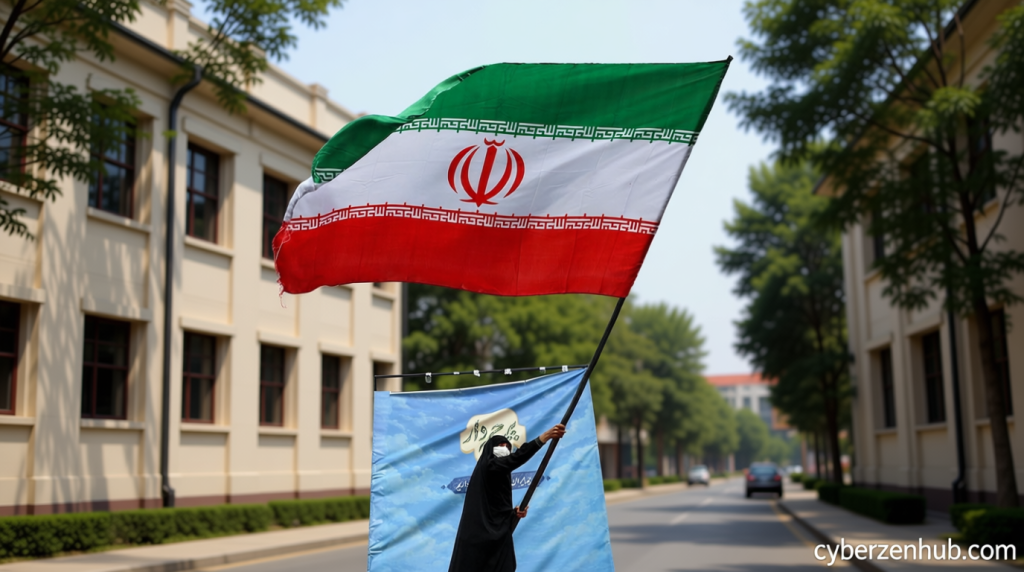
4 Phases of the Iran War: Key Moments from Epic Fury to Project Freedom
4 phases of the Iran war – As the 4 phases of the Iran war unfolded, global tensions surged, with economic and military strategies playing pivotal roles in shaping the conflict’s trajectory. The operation began with the joint U.S.-Israel strikes that targeted Iran’s nuclear facilities, marking the first major escalation. This phase was followed by a strategic push to secure critical maritime routes and intensify combat operations. The timeline of events, spanning from the initial strikes to the final phase, highlights how international actors navigated the crisis with a mix of force and diplomacy. Key moments from the 4 phases of the Iran war reveal a complex interplay of objectives and outcomes.
Phase 1: U.S.-Israel Strikes Target Iran’s Nuclear Infrastructure
The conflict commenced with a coordinated assault on Iran’s military and nuclear sites by U.S. and Israeli forces in late February 2026. President Donald Trump confirmed the start of major combat operations during a late-night address, emphasizing the goal of neutralizing Iran’s nuclear ambitions. “Our mission is to safeguard American interests by dismantling the Iranian regime’s ability to develop nuclear weapons,” he stated, underscoring the immediate threat to regional stability. The initial strikes focused on key installations, including missile silos and command centers, weakening Iran’s defensive coordination.
“Major combat operations are now underway to ensure the Iranian regime no longer poses a direct danger to the United States and its allies.”
Trump’s decision to launch the strikes followed weeks of buildup, with the aim of sending a clear message to Iran’s leadership. U.S. officials reported significant damage to Iran’s military infrastructure, including the destruction of critical assets and the disruption of communication networks. This phase set the stage for subsequent operations, as the conflict transitioned from a limited strike to a broader strategic campaign.
Phase 2: Control of the Strait of Hormuz Becomes a Strategic Goal
With Iran’s nuclear capabilities under threat, the next phase centered on securing the Strait of Hormuz, a lifeline for global oil trade. Mojtaba Khamenei, the son of the late Supreme Leader Ali Khamenei, assumed leadership after the initial attacks, despite initial reports of injuries. His administration prioritized restricting maritime passage through the strait, escalating tensions as Iranian forces targeted commercial vessels. “If they try to choke the strait, we’ll crush them harder than ever,” Trump tweeted, signaling a shift toward economic warfare.
By March 21, the U.S. issued an ultimatum to Iran, demanding the reopening of the strait to all commercial traffic within 48 hours. Failure to comply would result in strikes on Iran’s energy infrastructure. The strait, responsible for 20% of the world’s oil trade in 2024, became a focal point for both sides, with the U.S. aiming to secure its economic dominance and Iran seeking to retaliate against perceived aggression.
Phase 3: Escalation and International Response
As the 4 phases of the Iran war continued, hostilities intensified. The Iranian military claimed responsibility for sinking three commercial ships near the Strait of Hormuz on March 12, 2026, prompting international condemnation. The incident raised concerns about the impact of the conflict on global supply chains, as oil prices spiked in response to the disruption. European allies, including France and Germany, urged a de-escalation, while regional powers like Saudi Arabia and the UAE called for a united front against Iranian aggression.
“The sinking of these ships demonstrates Iran’s willingness to take bold actions to challenge U.S. control over critical energy routes.”
Meanwhile, the U.S. military reinforced its presence in the Gulf, deploying additional assets to protect oil shipments. Secretary of Defense Pete Hegseth noted that the strikes had weakened Iran’s ability to retaliate effectively, stating, “The 4 phases of the Iran war have shown the resilience of our forces and the urgency of securing energy lifelines.” The phase also highlighted the growing involvement of global allies, with the UK and Japan pledging support to stabilize the region.
Phase 4: Operation Project Freedom Concludes the Conflict
The final phase of the 4 phases of the Iran war saw the U.S. launch “Project Freedom” to consolidate gains and ensure long-term stability. By April 2026, the operation had successfully restored oil flow through the Strait of Hormuz, with Iranian forces retreating from key positions. The strategic victory marked the end of the initial hostilities, though lingering tensions remained. Trump declared the operation a success, stating, “We’ve secured the strait and shown the world our resolve to protect energy interests.”
“Project Freedom has not only secured the Strait of Hormuz but also reinforced America’s commitment to global energy security.”
Despite