Four-Generation Family Vanished After Piper Aircraft Goes Down Near Andros Island
Cyberzenhub.com – Rescue crews from two nations are combing the waters south of Andros Island, Bahamas, after a single-engine Piper lost contact with air traffic controllers and was later reported downed roughly 15 miles from shore. The aircraft carried four members of one American household — two elderly grandparents and two adult grandchildren — who have not been located as of Monday evening, September 7, 2026.
The Bahamas sits along a heavily trafficked air corridor linking the Caribbean islands to South Florida. Small private planes routinely thread between island outposts and mainland airports, making the waters around North Andros a familiar but unforgiving stretch for light aircraft. When a plane disappears over that corridor, the response typically involves both Bahamian and American maritime agencies working in tandem, which is precisely the arrangement now in effect.
Timeline of the Flight and Loss of Contact
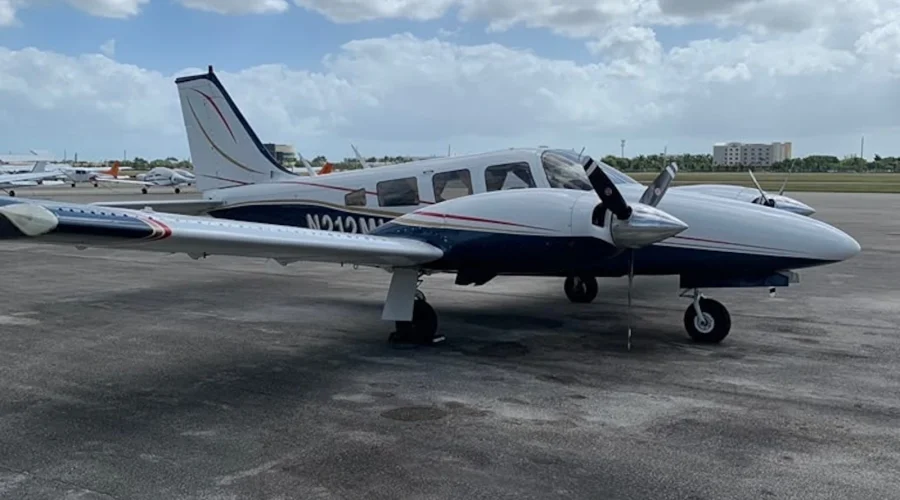
The Piper PA-34, a five-seat single-engine aircraft registered under tail number N212ML, lifted off from Great Harbour Cay at approximately 11:12 a.m. local time with four souls aboard. Its intended destination was Miami Executive Airport — the facility formerly known as Tamiami Airport — on the Florida mainland.
At roughly 11:04 a.m., near the western flank of Andros Island, air traffic control logged the aircraft’s final known position. By approximately 13 miles west of the island, controllers lost all contact with the plane. The gap between departure and last contact places the probable accident zone in open water south of the island’s northern coast, near the community of Red Bays.
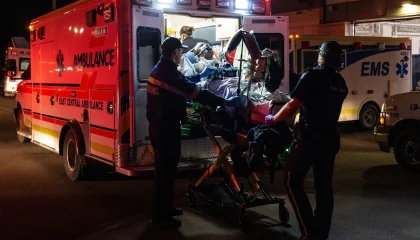
At approximately 2 p.m., the Royal Bahamian Defense Force formally requested Coast Guard assistance after receiving a report of a downed airplane carrying four occupants in waters about 15 miles off Andros Island. The U.S. Coast Guard confirmed it was deploying assets to support Bahamian authorities in the ongoing search.
The Passengers
A family statement released to news outlets identified the four individuals aboard:
Mario Lamar Sr., 80, described by relatives as an experienced pilot with more than four decades of flying time behind him. Beside him sat his wife, Lili Lamar, 79. The two younger passengers were their grandchildren: Sofi Sosa, 28, and Christian Sosa, 22.
The family emphasized that Mario Lamar’s extensive aviation background meant the flight was routine for him, though the Bahamas’ variable weather and the proximity of shallow reef systems to the flight path add complexity to any search effort in the area.
Search Operations and Weather Delays
Bahamas Police confirmed that units stationed on Andros Island are coordinating the ground and maritime search. The agency identified the aircraft type and registration publicly and noted that adverse weather conditions had temporarily postponed active search operations for an unspecified period. Tropical weather patterns around the central Bahamas in early September can produce sudden squalls, reduced visibility, and choppy seas that limit both aerial and surface search windows.
The Coast Guard’s involvement brings additional helicopter coverage, over-the-horizon radar capability, and satellite-imagery support to an operation that would otherwise rely on smaller Bahamian patrol boats and fixed-wing aircraft. Joint operations of this kind are standard protocol whenever a U.S.-registered aircraft goes missing in Bahamian waters.
Family Appeal and Gratitude
In their public statement, the Lamar and Sosa families urged Bahamian officials, the U.S. Coast Guard, and every appropriate local authority to coordinate fully and deploy every available resource to locate the aircraft and its four occupants as quickly as possible.
“The Lamar and Sosa families are deeply grateful to everyone participating in the search and to those who have reached out with support.”
The family’s plea for unified, multi-agency action reflects the reality of island geography: with no continuous road network linking the scattered cays, a search that spans both land and open water requires simultaneous coordination among police, coast guard, military, and volunteer maritime organizations.
What Happens Next
Should the aircraft be located, Bahamian and American investigators will determine whether the wreckage lies in shallow reef water or deeper channels south of Andros. Recovery operations in that zone often involve dive teams, small craft, and, depending on depth, specialized underwater vehicles. The National Transportation Safety Board typically opens a parallel investigation for any U.S.-registered aircraft accident, though its role becomes more pronounced once wreckage is recovered and examined.
Until then, the focus remains entirely on finding four people — two grandparents and two grandchildren — who left a small island airport that morning and never arrived at their Florida destination. The story is developing, and authorities have asked the public to monitor official channels for updates as search windows reopen with improving weather.
Related Reading
Frequently Asked Questions
What is American family missing in apparent crash?
American family missing in apparent crash is the main topic of this guide. The article explains the context, practical details, and next steps readers should understand.
Why does American family missing in apparent crash matter?
American family missing in apparent crash matters because readers are looking for a useful answer, not just a short summary. Good content should match search intent and help them decide what to do next.