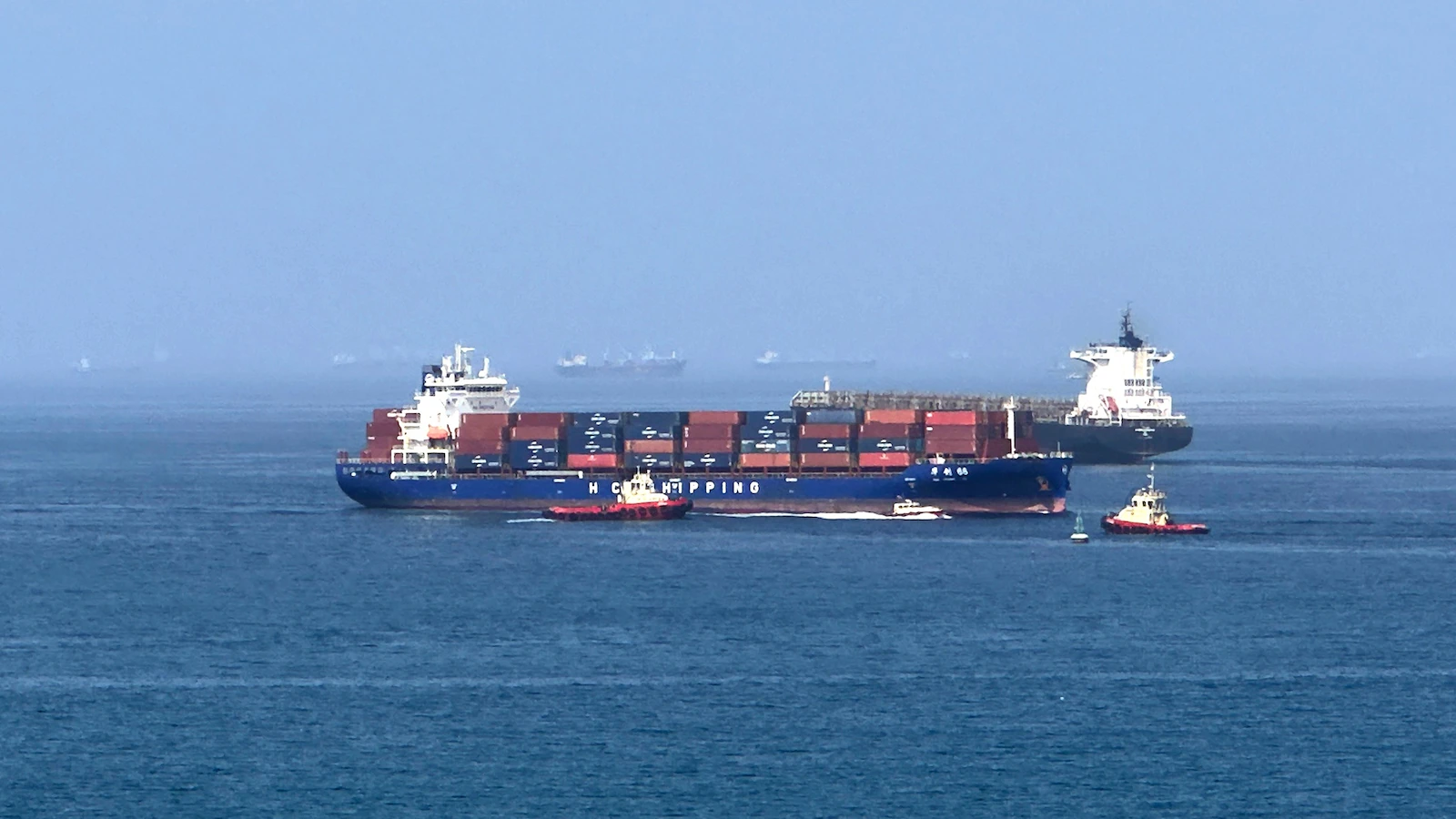
Iran Live Updates: U.S. Airstrikes Target Hormuz After Iranian Attacks – CENTCOM Report
Cyberzenhub.com – Iran live updates: The United States has launched a series of airstrikes in the Strait of Hormuz following Iranian attacks earlier in the month, as reported by the U.S. Central Command. These strikes, described as strategic and precise, aim to disrupt Iran’s naval operations and protect vital shipping routes. The move comes amid heightened tensions between the two nations, with Iran’s recent actions targeting oil tankers and escalating regional conflicts. Despite ongoing diplomatic discussions, the military response highlights the fragile state of negotiations and the potential for further escalation.
Strategic Airstrikes in Response to Iranian Escalation
“The United States has carried out powerful airstrikes in the Strait of Hormuz to counter Iranian aggression and secure maritime corridors,” stated CENTCOM in a recent update. The operation focused on key infrastructure linked to Iran’s oil export and naval defense capabilities, according to military sources. These attacks are seen as a direct retaliation for Iran’s earlier strikes, which had already caused disruptions in the critical waterway. Analysts note that the U.S. aims to deter further Iranian attacks while reinforcing its commitment to regional stability.
The conflict in the Strait of Hormuz has drawn global attention, as the region serves as a lifeline for international energy trade. About 20% of the world’s oil passes through this narrow passage, making it a strategic focal point for both military and economic maneuvering. Iran’s attacks on oil tankers have raised fears of a prolonged naval standoff, with potential consequences for oil prices and global supply chains. The U.S. defense officials emphasize that their actions are designed to maintain the flow of energy resources and ensure secure passage for commercial vessels.
Months of Diplomatic Efforts and Military Escalation
Peace talks between the U.S. and Iran had been underway since late March, aiming to resolve disputes over Iran’s nuclear program and regional influence. A memorandum of understanding was signed to outline cooperation frameworks, but the February 28 strikes marked a shift toward military confrontation. President Trump’s declaration of major combat operations against Iran followed these attacks, signaling a renewed U.S. push to weaken Tehran’s capabilities. However, the timing of the June airstrikes, just weeks after the agreement, has sparked debates about the effectiveness of diplomatic channels in de-escalating tensions.
Iran’s continued aggression has been met with firm U.S. retaliation, reflecting the deepening rivalry between the two powers. The February strikes, conducted in partnership with Israeli forces, targeted military and economic assets in Iran’s western regions, underscoring the alliance’s shared concerns over Iran’s nuclear ambitions. This collaboration has intensified pressure on Tehran, while also highlighting the challenges of balancing military action with diplomatic negotiations. Analysts suggest the airstrikes are part of a broader strategy to assert dominance in the region.
Public reactions in Iran have been swift and widespread, with thousands of protesters gathering in Tehran to condemn the U.S. attacks. Demonstrations turned confrontational in some areas, as crowds clashed with security forces and demanded stronger resistance to foreign intervention. The Iranian government has used these protests to rally support for its military stance, framing the strikes as a threat to national sovereignty. In contrast, U.S. officials defend the operation as necessary to safeguard global energy security and deter further Iranian aggression.
As the situation unfolds, the focus remains on the Strait of Hormuz, a strategic chokepoint that has long been a flashpoint for regional tensions. The recent military actions have tested the resilience of peace talks, with some diplomats expressing doubts about the commitment to dialogue. While the U.S. and Iran continue their respective efforts, the outcome of these developments will shape the future of their relationship and the stability of the Middle East.