
US Treasury secretary tells BBC ‘bit of pain’ worth long-term security
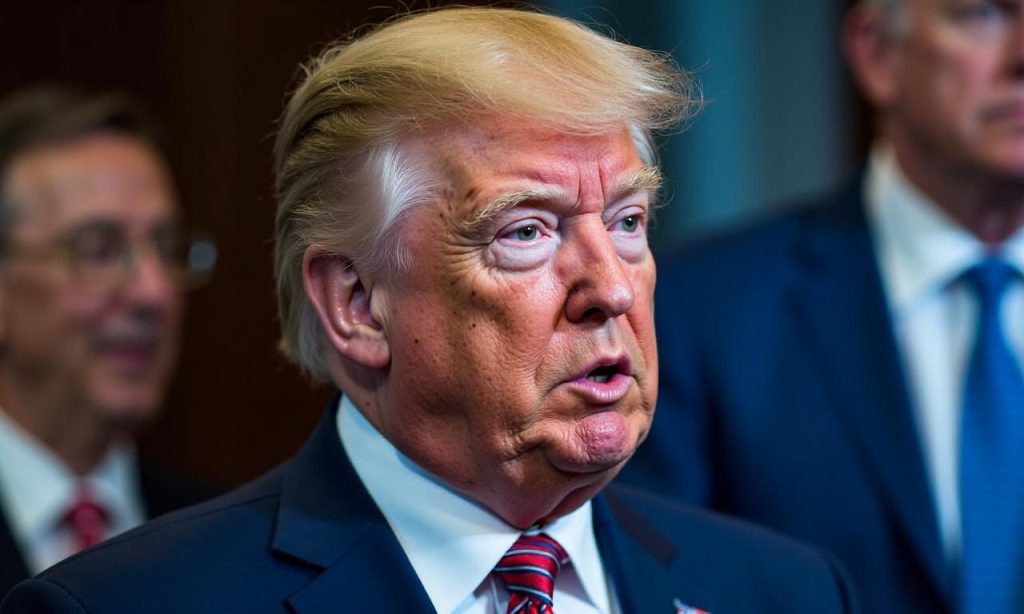
US Treasury Secretary Says Economic Sacrifice for Long-Term Security Justified
Scott Bessent, the US Treasury Secretary, expressed to the BBC that a “manageable level of economic strain” was necessary to counter the threat of Iranian nuclear attacks on Western cities. Amid concerns raised by the International Monetary Fund (IMF) about the potential for a global economic downturn due to the US-Israel conflict with Iran, Bessent emphasized the importance of long-term security over immediate economic costs.
IMF Warns of Recession Risk
The IMF highlighted that a protracted war could push global growth below 2% in 2026, marking a “near miss” for a recession, which has occurred only four times since 1980. Most recently, the pandemic triggered such a downturn. The report suggested that if oil, gas, and food prices remain elevated for two consecutive years, the global economy could face significant challenges.
“The greatest danger arises from uncertainty, as we now have clear evidence of Iran’s missile capabilities,” Bessent noted, citing the attack on Diego Garcia as proof of Iran’s intent to target Western capitals.
Iran maintains its nuclear program is solely for peaceful purposes, while the UK government stated there was “no indication” Iran aimed to strike Europe. Bessent argued that the economic impact of strikes was secondary to the broader risk posed by Iran’s nuclear ambitions.
Energy Prices and Global Impacts
Since the conflict began over six weeks ago, energy prices have surged, driven by the closure of the key Strait of Hormuz shipping route and stalled peace negotiations. The IMF warned that prolonged tensions could lead to inflation reaching up to 6% next year, compelling central banks to raise interest rates to curb rising costs.
“A sustained conflict would result in soaring inflation, increased unemployment, and food shortages in several regions,” said Pierre-Olivier Gourinchas, the IMF’s chief economist. “Even a brief continuation could have impacts comparable to the 1970s oil crisis, though modern reliance on oil is less intense than before.”
Despite oil prices nearing $120 during the conflict, they have since dipped to $95. The IMF estimated that if the war resolves within weeks and energy production stabilizes by mid-year, global growth could ease to 3.1% in 2026, down from an earlier forecast of 3.3%. Its 2027 growth outlook remains unchanged at 3.2%.
Regional Economic Outlooks
The UK is projected to suffer the most from the energy shock, with its growth forecast cut to 0.8% from 1.3% this year. However, the country is expected to rebound with 1.3% expansion in the following year. Meanwhile, Gulf oil-exporting nations face a sharp slowdown, with Iran’s economy projected to contract by 6.1% in 2026.
On Sunday, US President Donald Trump announced a blockade of Iranian ports to impose economic pressure, a move that could further influence global markets. The IMF reiterated that without a resolution, the risk of recession would escalate, underscoring the need for swift diplomatic action.