
Indiana primaries show the political cost of crossing Trump: ANALYSIS
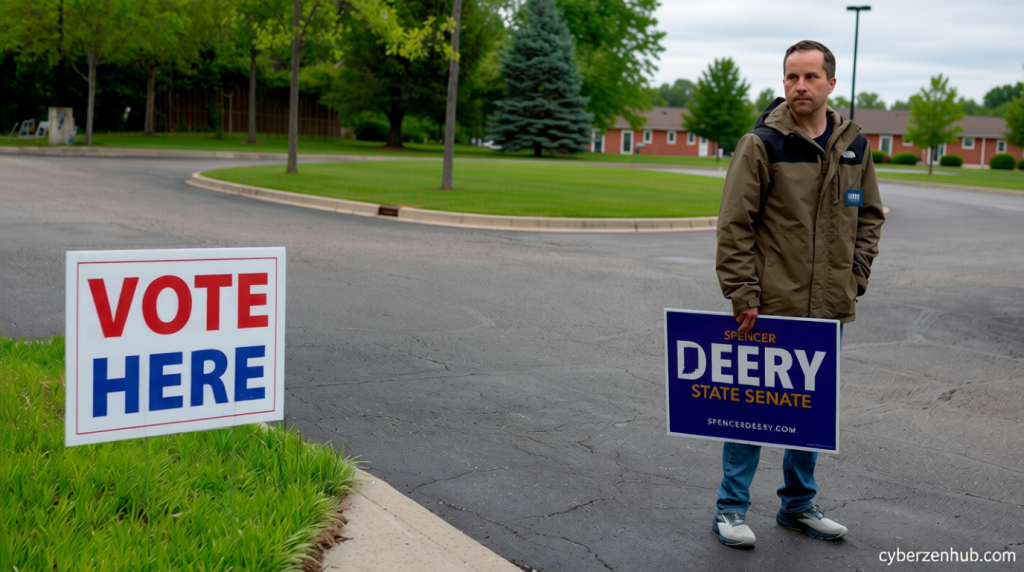
Indiana Primaries Show the Political Cost of Crossing Trump: ANALYSIS
Indiana primaries show the political cost – The outcomes of Indiana’s Republican primaries on Tuesday underscored a clear message: opposing President Donald Trump, even in local legislative races, can come with significant political repercussions. These state-level contests rarely capture national headlines, yet Trump transformed them into a litmus test for allegiance, revealing his ability to mobilize resources against lawmakers who defy his agenda. The focus was on a mid-decade redistricting effort that sought to reshape Indiana’s congressional boundaries to secure more Republican seats in the House of Representatives. Those who resisted Trump’s demands faced a harsh reality as his allies capitalized on the dissent to reshape the political landscape.
A Test of Loyalty in State Races
At least five of the seven Republican state senators who opposed Trump’s redistricting proposals last year saw their seats overturned by candidates backed by the president and his political allies. The results highlighted a growing trend where Trump’s influence extends beyond presidential campaigns, directly impacting state-level elections. While one incumbent managed to retain their position despite intense pressure, another race remains too close to call, leaving uncertainty about the broader implications of the primary outcomes.
“Trump never hid his intent. He put lawmakers on notice that opposing the redistricting push could cost them,”
the analysis noted. Conservative organizations, including the Club for Growth and Turning Point USA, funneled millions into these races to amplify Trump’s preferred candidates. The impact was stark: Trump-backed contenders secured victories in at least five of the seven contested seats, signaling a shift in power dynamics within the state’s Republican Party.
For national Republicans, the results serve as a cautionary tale. The lesson is not only that Trump maintains a commanding presence in party politics but also that his ability to retaliate against dissenters is unwavering, even in races far removed from the presidential spotlight. Indiana’s experience suggests that loyalty to Trump is now a prerequisite for political survival, with opposing voices facing tangible consequences.
Primary Dynamics and Voter Behavior
Indiana’s Republican electorate largely aligned with Trump over established incumbents, despite their long-standing relationships with local voters and state officials. This shift reflects a broader preference for Trump’s message, even in districts where candidates had previously built strong support. The primary results demonstrate how Trump’s brand can overshadow traditional political considerations, forcing lawmakers to choose between their policy preferences and their chances of re-election.
The redistricting battle in Indiana also highlighted the strategic importance of gerrymandering in shaping electoral outcomes. By pushing to redraw congressional maps in a way that favored Republican candidates, Trump’s allies aimed to consolidate control over key voting districts. However, the backlash from lawmakers who questioned the fairness of the process revealed the growing tension between partisan interests and the principles of fair representation.
Broader Implications for Redistricting Battles
These developments in Indiana could influence similar contests across the South and other Republican-controlled states. Legislatures currently deliberating on redistricting plans ahead of the midterms are now aware of the political risks associated with defying Trump’s strategy. The state’s primaries acted as a warning, showing that lawmakers who resist Trump’s demands may face a difficult re-election bid, even if they remain popular in their districts.
The impact of Trump’s influence extends beyond Indiana’s borders. In Louisiana, Sen. Bill Cassidy has been a target of Trump’s ire since his vote to convict the president during the impeachment trial following the Jan. 6 insurrection. Similarly, Rep. Thomas Massie in Kentucky has repeatedly challenged Trump and Republican leadership on issues ranging from spending to foreign policy. His advocacy for releasing the Jeffrey Epstein files has further solidified his status as a potential adversary in the president’s ongoing political campaign.
As these lawmakers face mounting pressure, the Indiana example serves as a blueprint for how Trump can leverage his network to punish dissent. The primary results illustrate the growing power of the president’s allies in state-level politics, with financial support and media attention playing a critical role in shaping the outcomes. This dynamic raises questions about the future of Republican governance, as candidates who prioritize ideological purity over pragmatic alliances may find themselves at a disadvantage.
A Political Force with Far-Reaching Power
Trump’s dominance in Republican politics remains undeniable, with his ability to influence decisions at all levels of government. The Indiana primaries demonstrated that defying him can carry real risks, not only for elected officials but also for the party’s cohesion. As lawmakers navigate the complexities of redistricting and policy debates, they must weigh the benefits of aligning with Trump against the potential fallout of dissent.
The broader implications of these results suggest that Trump’s political strategy is evolving. While he has traditionally focused on presidential races, his reach into state elections indicates a more aggressive approach to consolidating power. By targeting lawmakers who challenge his authority, Trump is effectively reshaping the Republican Party’s priorities, ensuring that loyalty to his vision of governance is prioritized over alternative viewpoints.
For Indiana, the primary outcomes mark a turning point in state politics. The state’s congressional maps may now reflect Trump’s preferences, potentially altering the balance of power in future elections. This shift also highlights the growing importance of primary elections as a tool for filtering out opposition within the party, reinforcing the idea that Trump’s allies are better positioned to win in the early voting stages.
As the midterms approach, the lessons from Indiana will likely echo across the country. Legislators in other states may hesitate to challenge Trump’s redistricting goals, fearing the same fate as their counterparts in Indiana. The president’s ability to turn state races into high-stakes battlegrounds underscores his influence as a unifying force, even in a party that has long been divided on policy and ideology.
The Indiana primaries are more than just a local story; they represent a national trend. Trump’s political machine has shown that opposition, no matter how minor, can be weaponized to reshape electoral outcomes. This strategy not only strengthens his grip on the Republican Party but also ensures that his policies are prioritized in shaping the future of American politics. As the dust settles from Tuesday’s elections, the message is clear: loyalty to Trump is now a critical factor in political survival, and the consequences of crossing him are becoming increasingly evident.