A New Chapter for Florida Politics: David Jolly’s Ambitious Governor’s Race
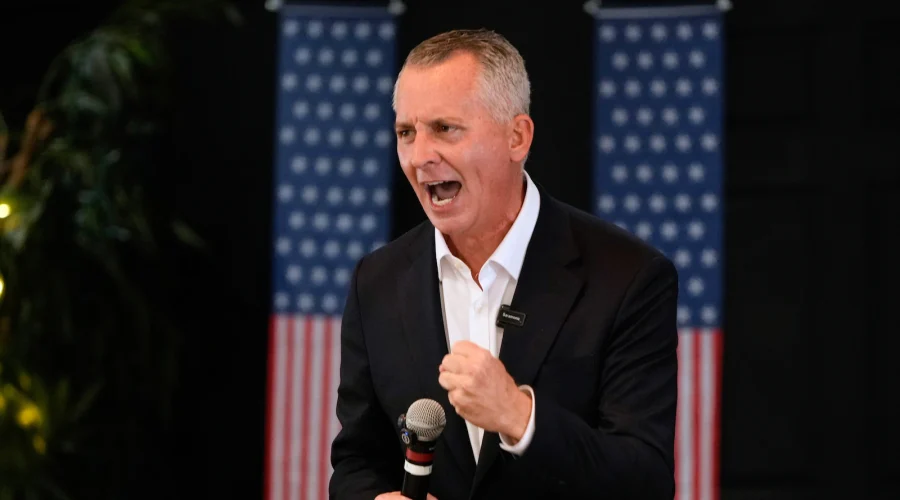
Cyberzenhub.com – David Jolly is attempting something many consider nearly impossible in contemporary American politics. The former Republican, now running as a Democrat for Florida’s highest office, believes he can reshape the Sunshine State’s political trajectory. His campaign represents more than a personal journey—it signals a potential turning point for a state that has increasingly favored conservative candidates over the past decade.
During a recent visit to Leesburg, Jolly encountered Cyn Doyle, a 71-year-old independent voter who identifies as a political skeptic. Doyle questioned whether Jolly might follow the path of Pennsylvania Senator John Fetterman, known for his unconventional approach to politics. The crowd in the manufactured home community’s clubhouse reacted with audible skepticism at the mention of Fetterman, but Jolly remained composed. As a former MSNBC commentator who frequently criticized establishment politicians, Jolly positioned his political evolution as authentic rather than opportunistic.
“Change is part of my journey,” Jolly told the assembled voters. “What I can tell you is that the values I speak of — that the economy should work, that government can do a little bit to improve our lives and that everyone should have the right to be protected — those are the guideposts for how I’ll serve as governor.”
Doyle ultimately expressed confidence in Jolly’s sincerity, noting that she does not easily trust politicians. Her reaction reflects the broader challenge facing Jolly’s campaign: convincing skeptical Floridians that his Democratic affiliation represents genuine conviction rather than political convenience.
Florida’s Shifting Political Landscape
For decades, Florida occupied center stage in American electoral politics. The state’s unique demographic composition—combining urban centers, agricultural communities, retirees from across the nation, and growing Latino populations—created elections frequently decided by razor-thin margins. Jolly’s campaign emphasizes that this competitive era may be returning.
His recent campaign schedule illustrates this ambition. In a single day, Jolly addressed voters in The Villages, the affluent retirement community traditionally leaning Republican, before speaking at a Leesburg clubhouse and concluding with a rally in Hillsborough County. The latter location holds particular significance, as Tampa’s county supported a Republican presidential candidate for the first time in two decades during the 2024 election cycle.
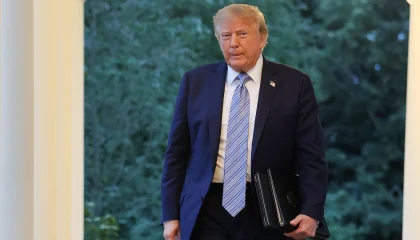
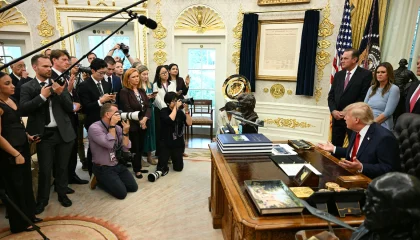
However, the political headwinds remain substantial. President Donald Trump’s electoral success in Florida has been remarkable, with three victories and progressively larger margins each time. Governor Ron DeSantis’s 2022 triumph by 19 percentage points solidified Republican control of the state legislature. These results have created what many analysts describe as a new political reality for Florida Democrats.
The Financial and Political Challenge
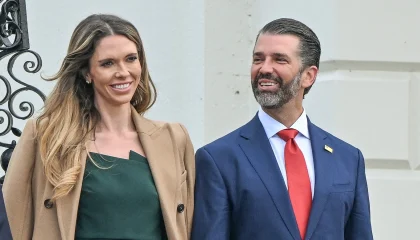
Jolly faces a formidable opponent in Representative Byron Donalds, who emerged as the Republican primary frontrunner with Trump’s endorsement. Donalds would become Florida’s first Black governor if elected, a distinction that carries both symbolic and practical weight in the state’s diverse electorate.
The financial disparity between the candidates is striking. Donalds has accumulated more than $100 million in campaign contributions, while Jolly has raised approximately $10 million. This gap extends beyond mere fundraising—Donalds has deployed sophisticated messaging that characterizes Jolly as disconnected from mainstream Florida values.
One particularly effective Donalds advertisement highlights Jolly’s support for gender-affirming care and rainbow crosswalks in communities. These positions, while popular among progressive voters, have been framed by the Donalds campaign as evidence of liberal extremism. Jolly has attempted to redirect attention toward economic concerns, arguing that cultural issues should not overshadow financial challenges facing Florida families.
Navigating the Culture Wars
The debate over transgender participation in sports has emerged as a defining issue in Jolly’s campaign. During a casual lunch conversation at Outback Steakhouse, with his wife and two young children nearby, Jolly acknowledged that reversing Florida’s ban on transgender girls and women competing on female teams would require significant political capital. Nevertheless, he maintained that governors should not micromanage athletic competitions.
“But look,” Jolly explained, “if a 10- or 12-year-old soccer league in the community has a coed team, I don’t think the governor should be throwing a flag on the field.”
Jolly also identified himself as a “girl dad,” a personal detail that humanizes his position on gender issues. His nuanced stance—opposing biological males in women’s sports while supporting local flexibility—reflects an attempt to bridge ideological divides.
Meanwhile, the culture wars that have characterized DeSantis’s tenure have generated their own political vulnerabilities. The governor’s disputes with Disney and his aggressive positions on gender and sexual orientation have left portions of the electorate fatigued. Karen Kuhn, a 72-year-old The Villages resident, described feeling “despair” over the ongoing conflicts.
Democratic Optimism and National Implications
Despite these challenges, Democrats have experienced encouraging momentum. A series of special election victories from Miami through Palm Beach and Tampa has bolstered confidence within the party. Former Republican Representative Carlos Curbelo, who narrowly lost his 2018 reelection bid, observes that Latino voters who supported Trump in 2024 may reconsider their allegiance due to immigration enforcement policies.
“I definitely can see a scenario where it’s a closer race, where it’s a competitive race,” Curbelo stated, highlighting the potential for Florida to return to its historical role as a swing state.
Jolly has been actively courting potential presidential candidates, including Illinois Governor JB Pritzker, California Governor Gavin Newsom, Kentucky Governor Andy Beshear, and former Transportation Secretary Pete Buttigieg. His message to these national figures is clear: Florida’s political transformation could reshape the entire American electoral map.
“All of a sudden the road to the White House looks dramatically different,” Jolly observed, capturing the broader significance of his campaign beyond Florida’s borders.
Whether Jolly can overcome the financial disadvantage, cultural skepticism, and political inertia remains uncertain. But his candidacy represents more than a personal political gamble—it embodies a vision of Florida politics that many Democrats believe is finally within reach.
Related Reading
Frequently Asked Questions
What is Mission Improbable?
Mission Improbable is the main topic of this guide. The article explains the context, practical details, and next steps readers should understand.
Why does Mission Improbable matter?
Mission Improbable matters because readers are looking for a useful answer, not just a short summary. Good content should match search intent and help them decide what to do next.