US Intel Officials Assessed Threat to Trump Before Air Force One Switch
Cyberzenhub.com – US intel officials assessed threat to President Trump as not credible before the unusual decision to switch presidential aircraft in Turkey. Senior American intelligence community members expressed skepticism about an alleged Iranian plot targeting Air Force One with a shoulder-launched missile. The covert transfer occurred while Trump was preparing to depart Ankara following a NATO leaders’ summit. Multiple sources confirmed that intelligence agencies maintained reservations about whether a genuine Iranian conspiracy existed.
Israeli Warning and Intelligence Assessment
The initial alert came from Israeli intelligence services, which shared information with American counterparts as the president made final preparations to leave Turkish territory. Israeli officials had not completed their own comprehensive evaluation before transmitting the warning. The urgency of the situation, combined with Trump’s imminent departure, prompted Israel to relay the information despite incomplete verification. American intelligence subsequently reviewed the data and concluded it did not signal an imminent or severe danger to the president.
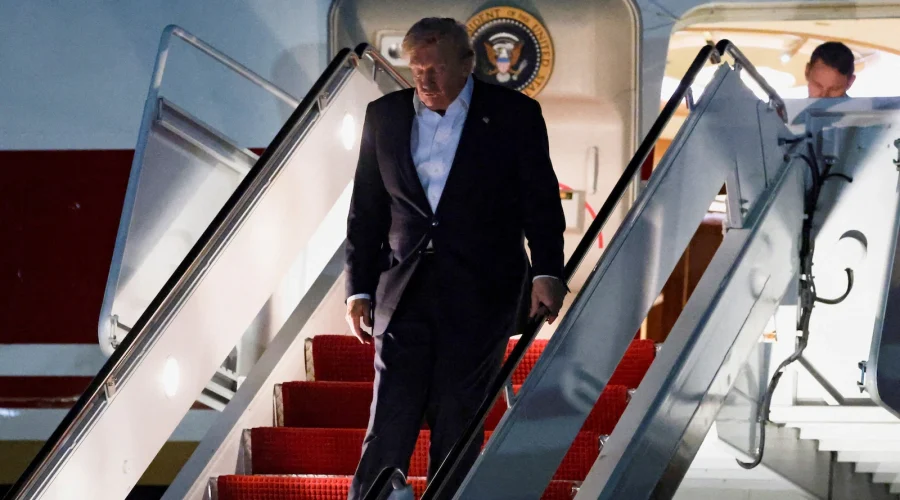
The Secret Service adopted a more cautious approach to the situation. Agency officials determined that even a marginal possibility of threat warranted enhanced protective measures. This assessment led to the decision to transport the president aboard an alternative military aircraft positioned nearby on the tarmac. The entire operation was conducted discreetly to avoid public attention.
Trump’s Response to Security Recommendations
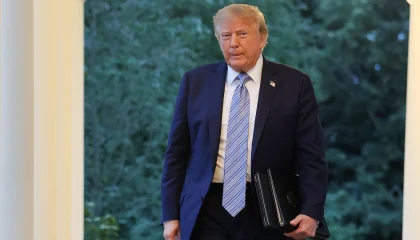
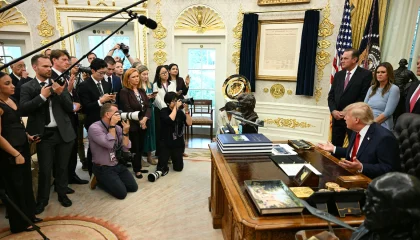
During a press briefing on Tuesday, President Trump addressed the situation and explained his cooperation with security officials. He emphasized that his actions were guided entirely by the Secret Service’s recommendations.
“It’s only up to Secret Service. I just follow what they’d like to do,” the president stated during his remarks to reporters.
Trump further clarified that military and security agencies had requested he board a different aircraft to ensure equivalent safety standards. He noted that while the alternative flight offered comparable protection, the agencies preferred the precautionary measure, and he complied accordingly.
“So I go by Secret Service and the military. They wanted me to go on a different flight, a different plane. Equal safety. But they wanted me to do it, so I do it. I do what they say,” Trump explained.
Historical Context and Ongoing Investigation
President Trump has remained a primary focus of Iranian leadership since the United States conducted an airstrike in early 2020 that resulted in the death of Iranian General Qasem Soleimani. Sources have indicated that threats directed at the president from Iran and its allied proxy groups receive heightened attention from American security agencies.
Deputy Director of the U.S. Secret Service Matt Quinn previously addressed the Iranian threat during a public event last month. He noted that Iran had openly declared its intention to eliminate President Trump, a statement that has received considerable media coverage.
“I don’t think it’s any secret, it’s been in the media, that Iran has publicly said they want to kill President Trump,” Quinn told reporters.
Following the president’s departure from the NATO summit, American and Turkish authorities continued their investigation into the potential missile threat. According to one official, the joint inquiry did not uncover conclusive evidence of an operational plot. The Central Intelligence Agency maintained “low confidence” in the Iranian assassination threat that Israel had shared with American officials.
Implications for Presidential Security Protocol
The incident highlights the complex decision-making process involved in protecting the president during international travel. Even when intelligence assessments suggest limited credibility, security agencies may opt for precautionary measures to eliminate any residual risk. The Secret Service’s willingness to implement enhanced protocols despite doubts about the threat’s validity demonstrates a risk-averse approach that prioritizes presidential safety above all else.
Frequently Asked Questions
What threat did US intel officials assess regarding Trump?
US intel officials assessed threat to President Trump from an alleged Iranian plot to strike Air Force One with a shoulder-launched missile while he was in Turkey for a NATO summit.
Why did Trump switch aircraft despite low threat credibility?
The Secret Service adopted a cautious approach, determining that even a marginal possibility of threat warranted enhanced protective measures, leading to the precautionary aircraft switch.
What was Israel’s role in the threat assessment?
Israeli intelligence services provided the initial warning to American counterparts, though they had not completed their own comprehensive evaluation before sharing the information.
What confidence level did the CIA assign to the threat?
The Central Intelligence Agency maintained “low confidence” in the Iranian assassination threat that Israel had shared with American officials, according to reports.