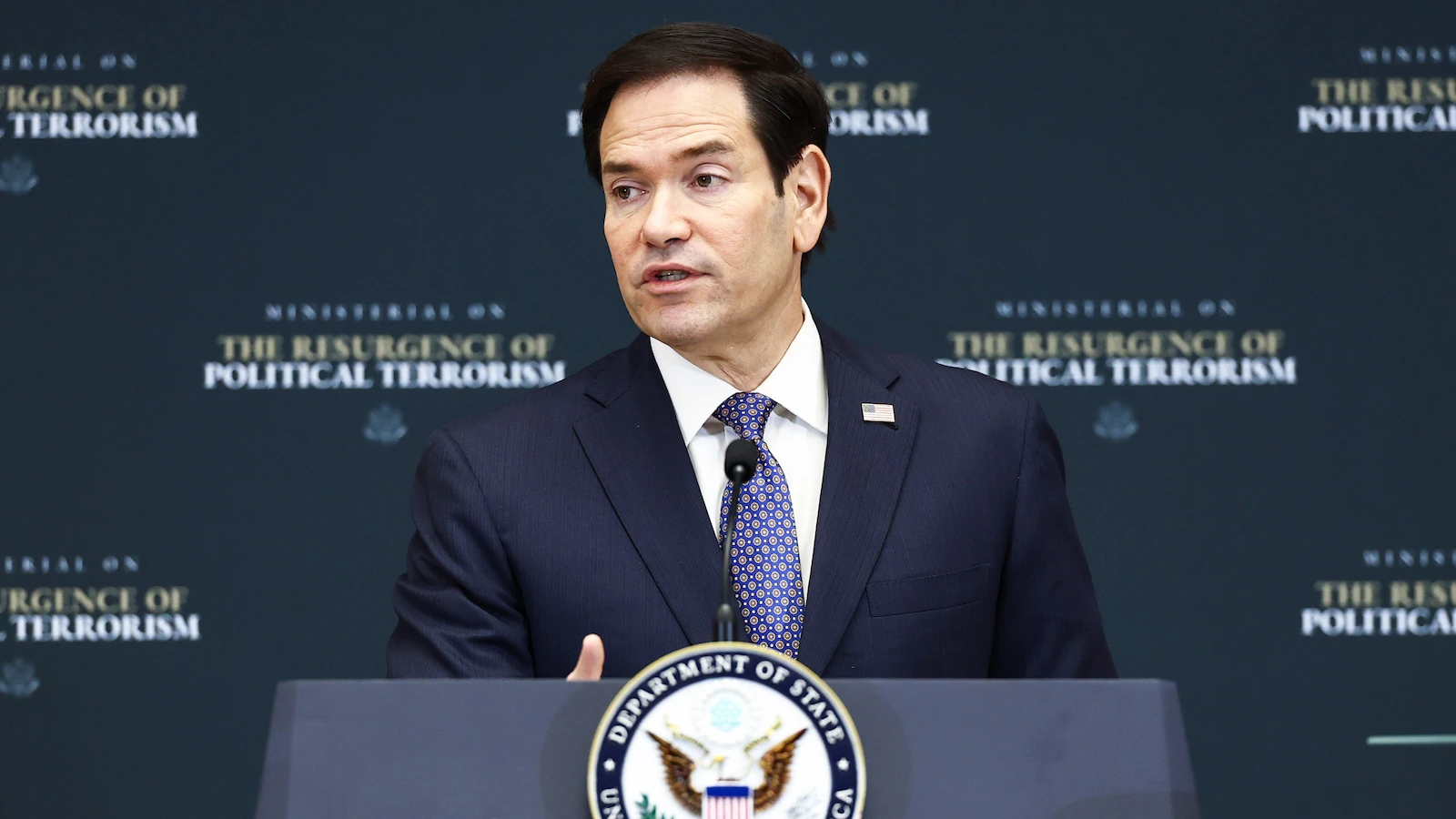
Rubio Calls for Global Response to Far-Left Terrorism at State Department Summit
A New Focus on an Overlooked Threat
Cyberzenhub.com – Secretary of State Marco Rubio recently organized a significant international conference aimed at building worldwide consensus on what he characterized as an emerging danger: political terrorism originating from the far-left. During his opening address at the State Department on Thursday, July 16, 2026, Rubio described this particular threat as representing a substantial “blind spot” within the national security frameworks that nations across the globe have developed. He noted that many observers still view far-left terrorism as merely a product of conservative imagination or, in more extreme interpretations, as an exaggerated conspiracy theory pushed by right-wing elements.
“The very idea that far-left terrorism could be a serious threat is treated as a right-wing fever dream, or worse, as a dangerous fascist conspiracy,” Rubio declared to the assembled ministers and delegates.
The secretary further explained that this “extraordinary ideological prejudice” has caused American authorities to overlook or minimize acts of violence and terrorism whenever those actions appear to serve left-wing objectives. According to Rubio, leftist organizations have been increasingly collaborating with nations considered hostile to American interests, particularly Cuba and Iran. He emphasized that the situation demands immediate attention, stating that the problem is both genuine and intensifying, making it impossible to continue ignoring or denying its existence.
International Participation and Key Attendees
The ministerial gathering brought together representatives from numerous nations, with more than eighty countries receiving invitations. According to a spokesperson for the State Department, sixty-six delegations ultimately sent representatives to participate in the discussions. Several prominent American officials joined Rubio in delivering remarks, including White House deputy chief of staff Stephen Miller, Treasury Secretary Scott Bessent, FBI Director Kash Patel, and Education Secretary Linda McMahon.
President Donald Trump has positioned the reduction of political violence and domestic terrorism as one of the central pillars of his second presidential term. However, opponents of the administration’s approach have argued that officials are concentrating too narrowly on threats from the political left while neglecting dangers emerging from the right and other categories of extremism.
Research and Criticism of the Administration’s Approach
An examination performed by the Center for Strategic and International Studies in 2025 provided important context for the debate. The analysis revealed that although left-wing violence within the United States has grown during the previous ten years, this increase originated from historically low baseline levels. Consequently, left-wing attacks remain considerably less frequent than those carried out by right-wing and jihadist perpetrators. The CSIS report recommended that policymakers ensure adequate resources are allocated to address all aspects of the terrorism threat landscape.
“This is the tactic that the left always uses to try to protect itself from facing criminal punishment. It is essential that we are wise enough and strong enough to understand that these appeals must fall on deaf ears,” Miller told the audience.
The American Civil Liberties Union has similarly expressed concerns regarding several measures implemented under the current administration’s counterterrorism strategy. The civil liberties organization has accused government officials of targeting peaceful activists and financial supporters who hold opposing political views, doing so under the pretense of combating political violence and domestic terrorism.
Domestic Focus Amidst Transnational Intent
While the State Department indicated that the ministerial was designed to examine the transnational dimensions of far-left terrorism, Rubio and his colleagues concentrated much of their commentary on prominent domestic incidents. These included the assassinations of conservative commentator Charlie Kirk and UnitedHealthcare chief executive Brian Thompson, as well as unsuccessful attempts on the president’s life.
Miller characterized these actions and other violence driven by far-left actors as stemming from “envy, hatred, and jealousy.” He also asserted that antifa, the decentralized far-left movement opposing authoritarianism, neo-Nazism, and white supremacy, has expanded beyond American borders. According to Miller, international antifa factions now participate in shared networks for funding, organizational coordination, and information exchange. The movement lacks a single publicly identifiable leadership structure but encompasses various militant groups united by their ideological opposition to established power structures.