
Trump-backed candidates beat at least 5 of 7 Indiana GOP senators who defied him on redistricting, AP projects
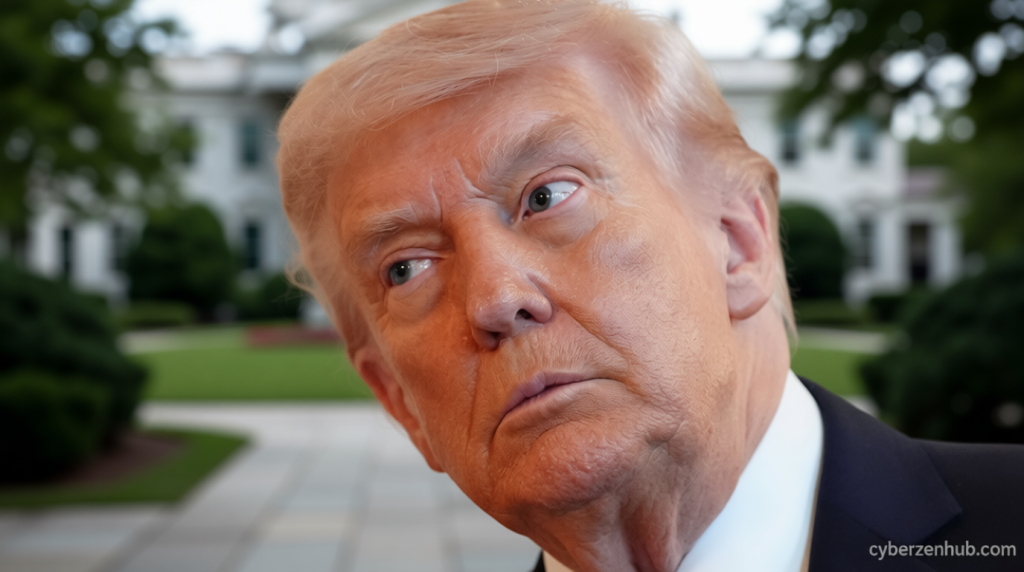
Trump’s Endorsements Shape Indiana GOP Senate Race Outcomes
Trump backed candidates beat at least 5 – At least five out of seven Indiana state senators who opposed Trump’s redistricting plan have lost their reelection bids, according to AP projections. This development signals a significant shift in the Republican Party’s alignment, as Trump-backed candidates capitalized on the political divide over the congressional map revision. The contested races underscored the president’s ability to influence state-level politics through strategic endorsements, with financial backing from his affiliated groups playing a crucial role in determining the results. The seven defeated incumbents had previously crossed party lines to reject a mid-decade redistricting proposal, a move that drew Trump’s ire and led to targeted opposition from his allies.
Redistricting Dispute Intensifies GOP Internal Struggles
The redistricting debate became a flashpoint for partisan conflict, with 21 Republican senators, including the seven who lost, voting against the plan to solidify GOP control in congressional districts. Trump had threatened to support primary challengers in districts where senators defied his position, a strategy that proved effective in several key races. His affiliated organizations funneled millions into typically low-spending Senate contests, turning them into high-stakes battles. The outcomes reflected both the president’s growing influence and the consequences of defying his redistricting agenda.
Trump’s primary endorsements were amplified by his social media presence, with posts highlighting the candidates he supported and contrasting them with the defeated senators. This visual strategy helped galvanize his base and shift public perception in favor of his allies. However, not all Trump-backed candidates secured victories, as seen in the case of Sen. Greg Goode, who narrowly defeated his challenger. The overall trend, though, favored Trump’s supporters, demonstrating the weight of his political capital in state elections.
Financial Influence and Local Dynamics
The scale of campaign spending during the primaries revealed a stark imbalance between Trump-backed candidates and their opponents. Over $13 million was spent on advertisements, a figure over 4,000 times higher than the previous cycle. This financial surge was largely driven by groups opposing the sitting senators, including those aligned with Trump. The increased spending overwhelmed the incumbents, who lacked the resources to compete effectively in their own districts. At least $8 million of the total came from Trump-linked organizations, creating an uneven playing field for the defying senators.
Local factors also played a role in the outcomes, as Trump’s influence varied across districts. In some areas, his support was decisive, while in others, the race remained tight. The case of Spencer Deery, a Republican senator who opposed the redistricting bill, highlighted this disparity. Deery’s race against Paula Copenhaver was still unresolved as of late Tuesday night, illustrating the complex interplay between national endorsements and grassroots efforts. Meanwhile, the districts represented by other defying senators saw Trump-backed candidates emerging as winners, reinforcing the president’s strategic impact on the GOP’s composition.
Endorsement Battles and Political Realignment
The primaries also exposed tensions within the Republican Party, particularly between Trump and his former vice president, Mike Pence. While Pence endorsed some candidates, Trump’s backing proved more decisive in several races, including the contest in Senate District 23. This divergence in support highlighted the ongoing realignment of the party, with some members prioritizing national alignment over local considerations. The results suggested that Trump’s influence was growing, even as traditional party power structures faced challenges.
With the defeat of five Trump-defying senators, the GOP’s Senate leadership in Indiana has undergone a notable transformation. The redistricting dispute served as a catalyst for this shift, revealing deep ideological splits within the party. While Trump’s allies emerged victorious in most races, the contests remain a testament to the evolving political landscape, where national figures and local dynamics continue to shape state-level outcomes. The broader implications for the party’s strategy and cohesion will likely be scrutinized in the coming weeks as the full results are finalized.