
Trump-backed Gallrein beats Massie in Kentucky GOP primary, ABC News projects
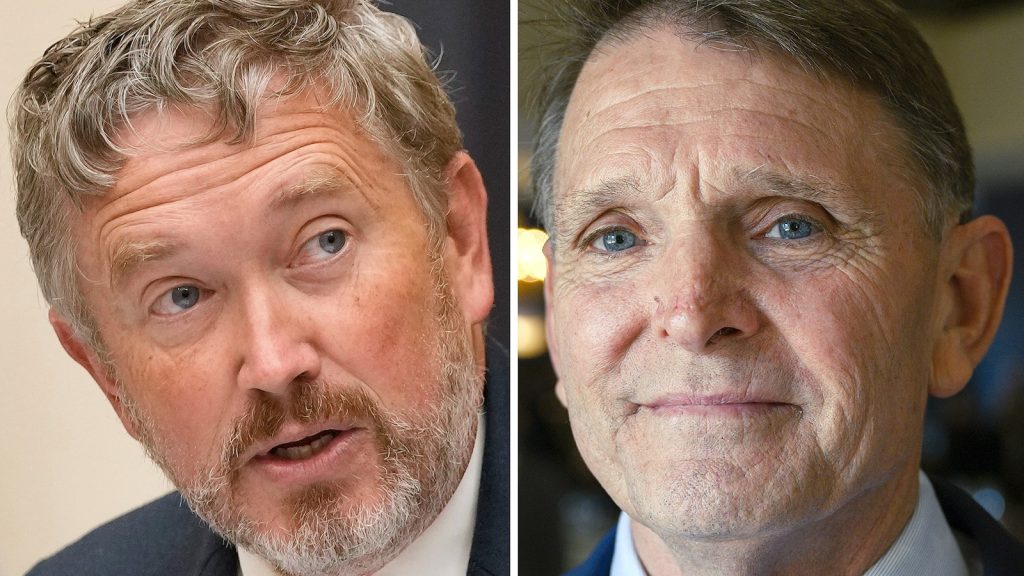
Trump Endorses Gallrein, Projections Show Victory in Kentucky GOP Primary
Ed Gallrein Triumphs Over Thomas Massie in 4th Congressional District Race
Trump backed Gallrein beats Massie in Kentucky – Ed Gallrein, a candidate backed by former President Donald Trump, has secured the Republican nomination in Kentucky’s 4th Congressional District, according to projections by ABC News. This outcome marks a significant shift in the district’s political landscape, as Rep. Thomas Massie, the current incumbent, faces defeat in his bid for re-election. The race, which drew intense scrutiny and substantial campaign resources, has now concluded with Gallrein emerging as the projected winner.
Massie, a conservative libertarian, has long been a target of Trump’s criticism. His advocacy for releasing the Jeffrey Epstein files, his opposition to the president’s domestic tax policy, and his vocal stance against the Iran war have fueled tensions between the two figures. During Tuesday’s primary, Trump expressed his discontent with Massie’s actions, describing him as a “bad guy” who “deserves to lose.” This assessment came as part of a broader strategy to challenge Massie’s influence within the Republican Party.
“On the Massie thing: He was a bad guy. He deserves to lose.”
Gallrein, who is a former Navy SEAL and fifth-generation farmer, has benefited from Trump’s endorsement and support. The president’s backing came early in the campaign, with Trump stating his willingness to back any candidate capable of defeating Massie. “I wanted just—give me somebody with a warm body to beat Massie, and I got somebody with a warm body, but a big, beautiful brain and a great patriot,” Trump remarked in a public statement earlier this year.
Massie, in response to Trump’s remarks, emphasized that his campaign was not solely about unseating the president but rather about representing his values. “We weren’t really running against Ed Gallrein, we weren’t running against Donald Trump. We were running for what we believe in,” Massie said during a speech to supporters. This framing highlights the ideological divide within the Republican Party, with Massie positioning himself as a grassroots candidate and Gallrein as a Trump-aligned strategist.
“I’ll keep this short. I want to thank President Trump for his support, his endorsement, and his counsel as I navigated this campaign… Thank you, Mr. President.”
The race has been the most expensive House primary in U.S. history, with over $32.6 million spent on advertising and campaign infrastructure, according to AdImpact. This level of spending underscores the high stakes of the contest, particularly in a district that has historically leaned Republican. Gallrein’s victory is seen as a testament to Trump’s growing influence in local elections, even as the president’s political base expands.
Massie’s loss follows a pattern of Republican candidates challenging his leadership. His campaign, which had drawn support from moderate and libertarian voters, faced a formidable opponent in Gallrein. The latter’s alignment with Trump’s broader agenda—ranging from tax cuts to national security—appealed to a segment of the electorate that prioritized loyalty to the president over ideological consistency.
Senate Race Adds to Political Shift in Kentucky
Meanwhile, the Kentucky Senate race also reflects the state’s evolving political dynamics. ABC News projects that Trump-endorsed Rep. Andy Barr will win the Republican primary, setting the stage for a showdown in the general election. Voters in the state are choosing between Barr and former Attorney General Daniel Cameron, who had previously run for governor. The race centers on who will succeed Senator Mitch McConnell, the longest-serving Republican in the state’s history and a key figure in the Senate.
McConnell’s retirement after over four decades in Congress has created a vacuum in the Senate, with both candidates vying to represent the establishment wing of the party. Despite their historical ties to McConnell, both Barr and Cameron have sought to position themselves as distinct from the senator’s traditional influence. This balancing act highlights the tension between institutional Republicans and more populist or reform-oriented candidates.
Barr’s victory in the primary is expected to solidify his position as a leading contender to replace McConnell. His campaign, which has focused on economic policies and defense spending, aligns closely with Trump’s platform. Trump’s early involvement in the race, including his efforts to persuade businessman Nate Morris to step aside, further illustrates his strategic approach to consolidating power within the GOP.
According to the Kentucky Secretary of State, Morris’ name remained on the ballot, but his votes will not be counted. This decision was made to ensure that the primary results reflect the preferences of voters who support Barr. The Senate race, therefore, has become a critical test of whether Trump’s backing can translate into a decisive win in a traditionally Republican stronghold.
State Significance and Political Context
Kentucky has consistently aligned with Trump’s presidential campaigns, with the state voting for him in the last three elections. His 2024 victory came with a 30-point margin, reflecting strong support among conservative voters. However, the state’s current political leadership is dominated by Democrats, with Governor Andy Beshear, a former attorney general, serving as the state’s chief executive since 2019. Beshear’s re-election in 2023 has further solidified Democratic control in the executive branch, even as the legislature remains in Republican hands.
Despite this divide, the 2026 primaries indicate a growing shift toward Trump’s brand of conservatism. The results in both the congressional and Senate races suggest that the president’s influence extends beyond national elections, shaping local contests in a way that prioritizes loyalty and ideological alignment. This trend may have broader implications for the future of the Republican Party, as candidates increasingly position themselves as extensions of Trump’s agenda.
Kentucky’s political history adds another layer to this story. The state has not elected a Democratic senator since Wendell Ford’s tenure from 1974 to 1999, a period marked by progressive policies and a shift in the national political climate. The current Republican Senate majority, which McConnell has led for years, now faces a potential challenge from candidates who may represent a more unified front under Trump’s guidance.
As the primary results take shape, the broader implications for Kentucky’s political landscape are clear. The 4th Congressional District and Senate races have become battlegrounds for ideological influence, with Trump’s backing playing a pivotal role in determining outcomes. The state’s continued support for the president in key races suggests that his political movement remains a dominant force in the region, even as local candidates navigate their own paths toward victory.
Looking ahead, the focus will shift to the general elections, where the winners of these primaries will face off against Democratic opponents. For Gallrein and Barr, the path to victory in Kentucky may serve as a model for other states, demonstrating how Trump’s endorsement can reshape local politics. Meanwhile, Massie’s loss underscores the challenges faced by moderate Republicans in an increasingly polarized environment.