Trump’s Acting Director of National Intelligence Begins Personnel Changes, Sources Report
Cyberzenhub.com – President Donald Trump’s acting director of national intelligence, Bill Pulte, has initiated a series of personnel changes within the agency, according to insiders familiar with the situation. Pulte, who assumed the role late last week, has vowed to reduce the size of the Office of the Director of National Intelligence (ODNI) significantly. While the exact number of employees impacted remains unclear, sources indicate that the National Counterterrorism Center is among the departments facing the brunt of these cuts. The White House has pointed to Trump’s recent social media post, in which he urged Pulte to “execute the immediate and needed downsizing of the office,” as a directive for the agency’s restructuring.
Democratic Opposition to Pulte’s Appointment Sparks Concerns
Amid growing tensions, Pulte’s selection as acting director has drawn criticism from both Democratic and Republican lawmakers. His nomination was met with skepticism due to his lack of formal experience in intelligence operations. However, his loyalty to the president has been a key factor in securing the position. The controversy surrounding his appointment has reportedly jeopardized efforts to reauthorize the Foreign Intelligence Surveillance Act (FISA), particularly Section 702, which allows the government to gather intelligence on foreign nationals without a warrant. This provision has become a focal point of debates over surveillance powers and privacy concerns.
The White House has deflected immediate questions about the firings, redirecting ABC News to the ODNI for comment. Despite this, the agency has yet to respond to inquiries. Pulte’s tenure as acting director began on April 22, 2026, when he took over from the previous appointee. His first full day on the job was Monday, and the pace of cuts has since accelerated. Trump has made it clear that he expects Pulte to streamline the agency, calling its size “way too high for way too long” during an earlier press conference. The president has also emphasized that personnel reductions are essential to improve efficiency and reduce costs.
Pulte’s Background in the Federal Housing Finance Agency
Before becoming acting director of national intelligence, Bill Pulte served as the head of the Federal Housing Finance Agency (FHFA), a position he held for several years. During his time at FHFA, he oversaw the implementation of new credit score models for mortgages, marking a significant shift in the housing finance sector. These changes, which were the first of their kind in decades, aimed to modernize lending standards and address issues in the housing market. Pulte’s leadership at FHFA is now being scrutinized as part of his broader role in the intelligence community.
His appointment to the ODNI has sparked a political backlash, with some lawmakers questioning his qualifications. Critics argue that his focus on mortgage fraud investigations—such as those targeting Democratic figures like Senator Adam Schiff and former Representative Eric Swalwell—reflects a pattern of prioritizing partisan agendas over national security expertise. These probes, which were launched under his tenure at FHFA, have been described as “focused on political adversaries” by opponents. Despite denials from the individuals involved, the investigations have raised concerns about the potential for bias within the intelligence agency.
Trump’s Strategy for Streamlining the Intelligence Community
In an interview with The Wall Street Journal, Trump reiterated his desire for Pulte to take decisive action in trimming the agency’s workforce. “We need to start the process of cutting jobs and making the office more efficient,” he stated, highlighting the importance of reducing bureaucratic overhead. The president’s comments align with his broader effort to reshape the intelligence community, emphasizing speed and cost-effectiveness over traditional structures. Pulte’s role as acting director has been characterized as “less shackled” by the media, suggesting greater autonomy in implementing these reforms.
Meanwhile, the confirmation process for Jay Clayton, Trump’s preferred nominee for the permanent director of national intelligence, has been delayed. The president initially announced Clayton’s nomination to replace Pulte but paused the process to ensure the confirmation of Jamie McDonald, his pick for U.S. Attorney for the Southern District of New York. This strategic move reflects Trump’s tendency to align appointments across different federal agencies, creating a cohesive leadership structure. However, it has also intensified scrutiny over Pulte’s ability to lead the ODNI effectively during this transition period.
Impact on FISA and National Security
The Democratic opposition to Pulte’s role has intensified concerns about the future of FISA reauthorization. Section 702 of the law, which grants the government authority to collect communications of foreign individuals without a warrant, has become a political lightning rod. Pulte’s appointment was linked to the lapse of this provision, as some lawmakers argued that his influence might lead to overreach in surveillance activities. The National Counterterrorism Center, a key entity under the ODNI, has been cited as a potential target for these cuts, raising questions about its operational capacity to handle critical threats.
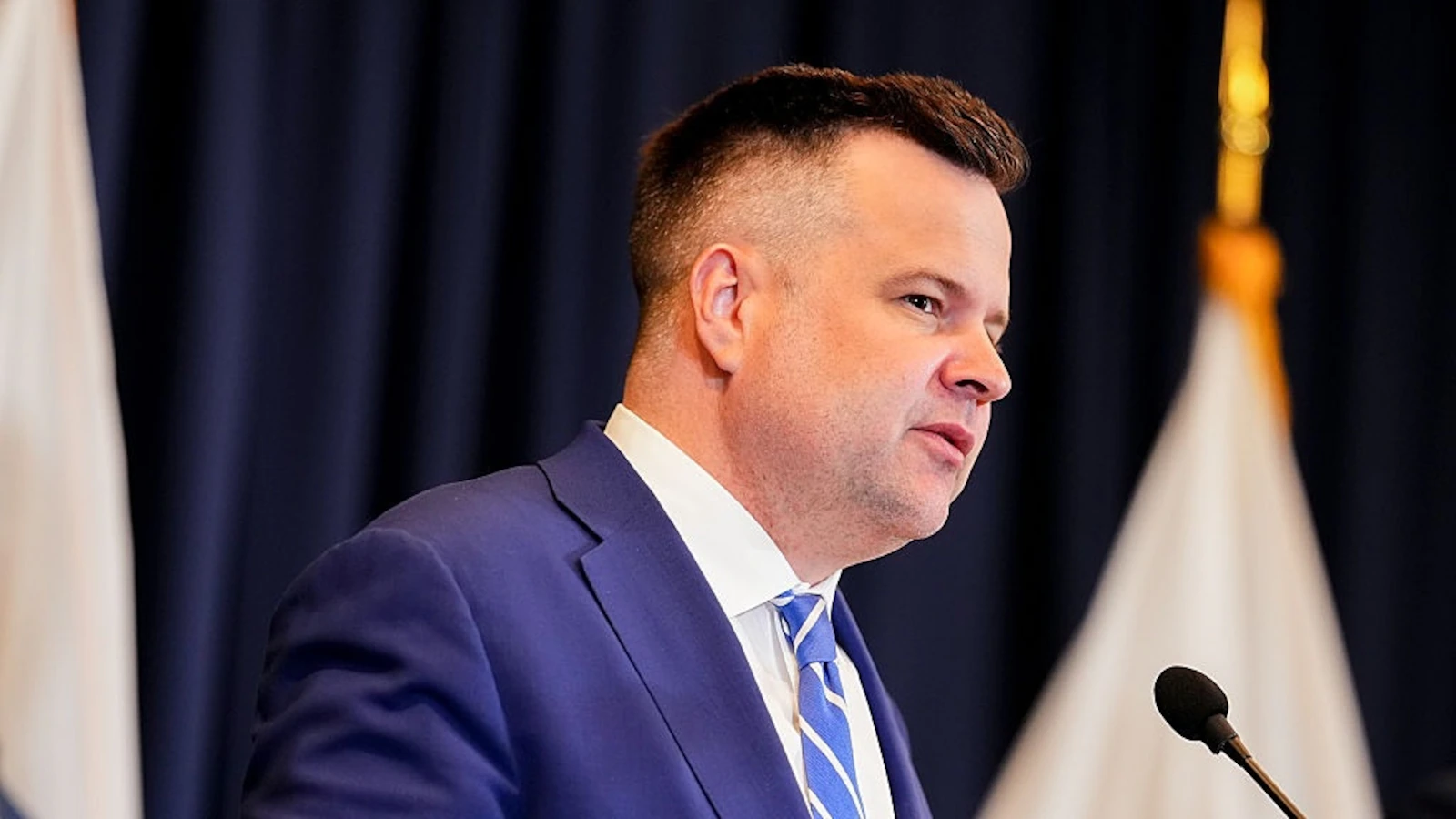
Despite the controversy, Pulte has maintained that his goal is to improve the agency’s effectiveness. “We’re eliminating redundancies and focusing on core missions,” he told reporters during a news conference in Washington, DC. The Federal Housing Finance Association (FHFA) headquarters, where Pulte held his previous position, was the backdrop for his recent statements. His transition from housing finance to intelligence has been seen as a test of his ability to adapt to a new role, though some analysts warn that his approach may prioritize political loyalty over technical expertise.
As the firings continue, the intelligence community remains divided over the implications of Pulte’s leadership. While Trump sees these cuts as necessary to streamline operations, critics argue that they could undermine the agency’s ability to conduct thorough investigations. The White House has defended the move, stating that Pulte’s experience in identifying fraudulent activities—such as those in the mortgage industry—makes him well-suited for the task. However, the lack of formal intelligence training has left some officials questioning the long-term impact on the nation’s security apparatus.
Broader Context of Political Reforms
Bill Pulte’s tenure at the ODNI has also been framed within the larger context of Trump’s administration’s efforts to reshape the federal bureaucracy. His focus on downsizing aligns with the president’s campaign promises to cut costs and increase efficiency across government agencies. This strategy has been applied to other departments, including the Department of Homeland Security and the Department of Defense, where similar reductions have been proposed. Pulte’s role as acting director has provided him with the authority to implement these changes without the usual procedural hurdles.
Trump’s decision to appoint Pulte underscores the administration’s emphasis on loyalty and political alignment. While Pulte’s lack of intelligence experience has been a point of contention, his track record in the FHFA has been cited as evidence of his ability to manage large-scale operations. The recent credit score reforms at FHFA, which were launched in 2026, are a testament to his focus on innovation and cost-saving. These initiatives, however, have also drawn criticism for their potential to favor certain financial institutions over others.
As the ODNI navigates this transition, the broader implications for national security and intelligence operations remain a topic of debate. The agency’s ability to maintain its core functions while implementing significant cuts will be closely watched by both the administration and its critics. With Trump’s public support and Pulte’s aggressive approach, the intelligence community may face a period of rapid change, reshaping its structure and priorities in the process.