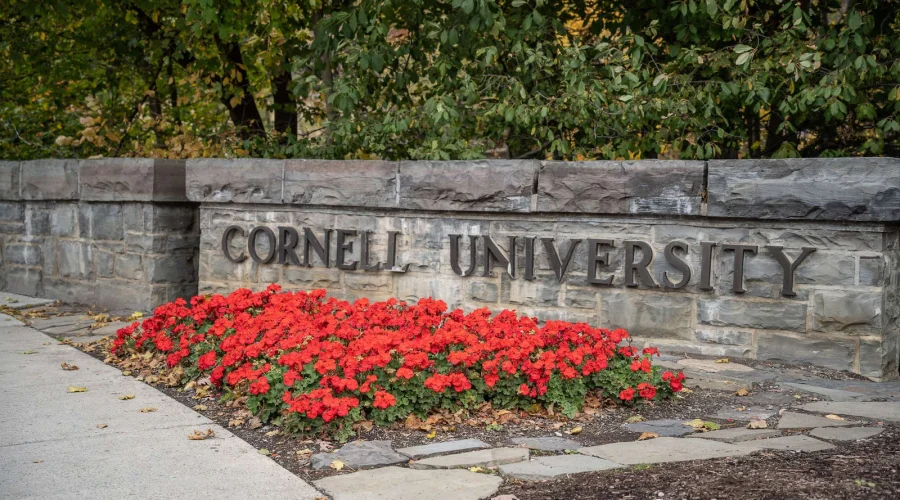
Tompkins County Reopens Cornell Fraternity Assault Investigation
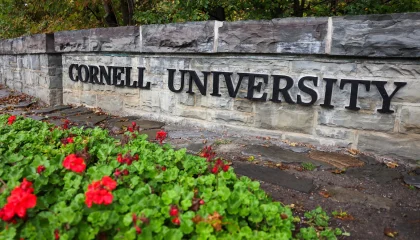
Cyberzenhub.com – Tompkins County prosecutors have reopened an investigation into allegations that a former Cornell University student was drugged, sexually assaulted and gang raped at a Chi Phi fraternity event in October 2024. The renewed review follows a civil lawsuit filed by the woman, identified as Jane Doe, against seven current and former fraternity members.
District Attorney Matthew Van Houten has defended his office’s earlier decision not to file criminal charges, while describing the allegations as deeply troubling. He said the information available to prosecutors in 2024 did not meet the legal standard needed to bring a case.
“If what was said on social media about this case was true, those fraternity members would be in prison right now,” Van Houten said.
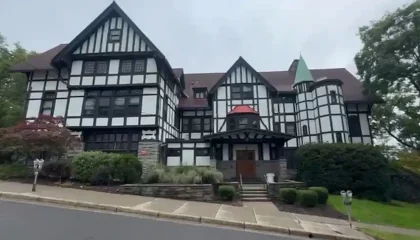
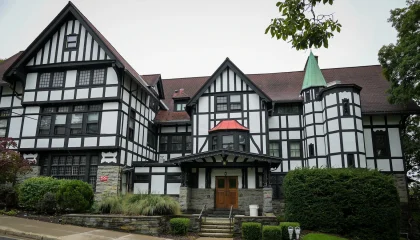
The case has drawn broad attention in Ithaca and on Cornell’s campus, where questions have focused on the original investigation, evidence collection and the legal definition of consent under New York law. Cornell’s Chi Phi chapter was prohibited from operating on campus after the alleged incident on Oct. 19, 2024. No criminal charges were brought against the people accused at that time.
Prosecutor Cites Consent Analysis
Van Houten said Jane Doe’s original account indicated that she agreed to sexual activity at the outset. In his view, her statement did not establish that consent had been withdrawn while the conduct continued.
“She clearly consented in the beginning, and there was never any indication that she changed that to the things that she participated in,” he said.
He said that when she expressed concerns, the fraternity members stopped rather than continuing the activity. The district attorney emphasized that a prosecution would be appropriate if someone continued sexual contact after a person communicated that they no longer consented. He said that was not the allegation contained in Jane Doe’s statement to investigators.
Van Houten also argued that public discussion of the case has created an understanding that differs from the account initially reviewed by his office. The gap between a morally offensive set of allegations and conduct that can be proven as a crime can be difficult for the public to accept, he said, particularly in sexual-assault cases where evidence and testimony must satisfy demanding legal requirements.
Questions Over Snapchat Material
One issue raised in the renewed scrutiny concerns an image from a fraternity Snapchat group. Van Houten acknowledged that his office did not examine the image during its earlier review, though he said the material would not have changed the central legal question prosecutors were evaluating.
He characterized the messages as “disgusting and vulgar and immoral,” but said their tone did not resolve whether Jane Doe consented or was legally unable to consent during the alleged encounter. For prosecutors, he said, the decisive issue was the evidence surrounding her capacity and willingness at the time of the reported acts.
The civil lawsuit has placed new evidence and allegations before the public, prompting the district attorney’s office to take another look at the matter. Reopening an investigation does not itself determine whether charges will be filed. It means prosecutors will revisit available evidence, seek additional testimony and assess whether the facts can support a criminal case.
Attorney Raises Concerns About Earlier Investigation
Thomas P. Giuffra, Jane Doe’s attorney, said his client’s allegations were not fully investigated in 2024. He questioned how a complete criminal inquiry could have occurred when she had not spoken to anyone beyond the officer who received her initial complaint.
“It is challenging for me to understand how a thorough criminal investigation could have been conducted when she was never spoke with anyone other than the officer who took her original complaint,” Giuffra said.
Giuffra also warned that the time between the original complaint and the reopened investigation may have affected the availability of important proof. Evidence can become harder to obtain as time passes, and memories of a night involving multiple people can become more difficult to verify.
“I believe that opportunities to fully investigate these crimes were lost. We will never fully know what occurred or the identities of everyone who was involved that night,” he said.
Grand Jury Testimony Planned
Van Houten said his office intends to meet with Jane Doe before seeking her testimony before a grand jury this fall. He described the planned meetings as an effort to build trust and establish a working relationship before that process begins.
The district attorney said he has sought documents from Cornell’s Title IX investigation through Jane Doe. Title IX reviews are separate from criminal proceedings: a university process can examine possible violations of campus policy, while prosecutors must decide whether the evidence supports charges under state criminal law. Van Houten also indicated that some fraternity members could be called to testify.
New York’s consent law remains a significant part of the case. Van Houten said voluntary intoxication, including impairment caused by alcohol or drugs voluntarily taken, does not automatically mean a person is legally incapable of consenting under the state penal law.
“That’s a very difficult concept, but it’s a concept that I am constrained by when I apply the law to the case,” Van Houten said.
That legal distinction may become central as the investigation moves forward. Prosecutors will need to consider what evidence exists about Jane Doe’s condition, what each person involved knew, whether consent was communicated or withdrawn, and whether the evidence can be presented reliably to a grand jury.
The reopened inquiry and civil lawsuit now create parallel paths for examining the allegations. The criminal investigation will determine whether prosecutors believe a charge can be proved under New York law, while the lawsuit will address the claims through the civil court system. For the Cornell community, the case has also renewed attention on how universities, police and prosecutors respond when serious allegations emerge from fraternity settings.
Related Reading
Frequently Asked Questions
What is DA defends decision not to prosecute?
DA defends decision not to prosecute is the main topic of this guide. The article explains the context, practical details, and next steps readers should understand.
Why does DA defends decision not to prosecute matter?
DA defends decision not to prosecute matters because readers are looking for a useful answer, not just a short summary. Good content should match search intent and help them decide what to do next.