DOJ agrees to withdraw subpoenas for New: Justice Department Concedes to Pull Back Subpoenas Targeting New York Times Reporters Cyberzenhub.com – Legal
Justice Department Concedes to Pull Back Subpoenas Targeting New York Times Reporters
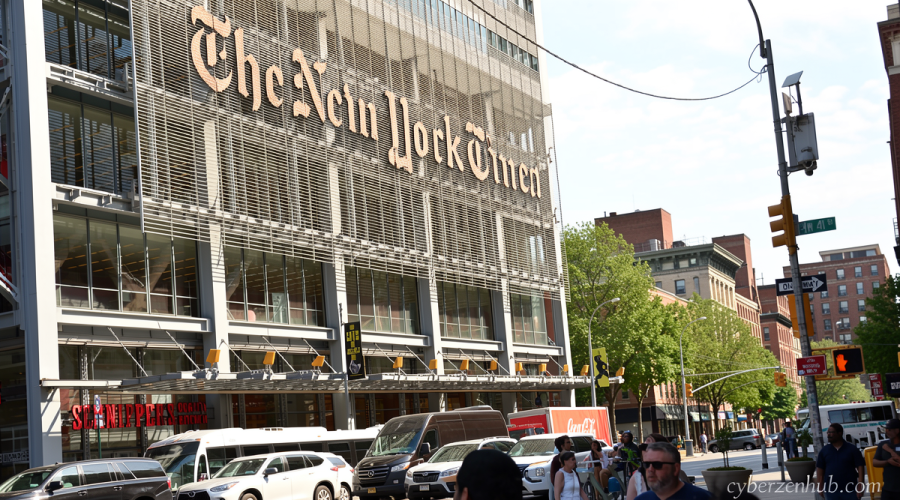
Cyberzenhub.com – Legal representatives from the Department of Justice reached an agreement on Thursday to independently retract multiple subpoenas that had been issued to journalists at the New York Times. These legal documents were designed to force reporters to provide testimony regarding their confidential sources and grant authorities access to their telephone records. U.S. District Judge Arun Subramanian made it clear that he would formally cancel the subpoenas if the federal government declined to withdraw them voluntarily. The judge characterized the situation as a fundamental issue of legal compliance, stating that proper adherence to established procedures was essential in this matter.
Attorneys representing the newspaper had previously petitioned the court to invalidate the subpoenas, contending that the government’s actions constituted an effort to punish and intimidate journalists whose reporting had displeased President Donald Trump. The legal team argued that the timing and manner of the subpoenas’ issuance demonstrated improper motives. Sean Buckley, serving as chief counsel to the U.S. attorney for the Southern District of New York, indicated that prosecutors would return to the court if they chose to pursue new subpoenas at a later date. He explained that after careful review, the government felt prepared to withdraw the documents unilaterally at that moment.
“Upon further consideration, the government is prepared unilaterally to withdraw the subpoenas at this time,” Buckley stated in court proceedings.
During the hearing, Buckley openly acknowledged that the Department of Justice had served the subpoenas before completing certain preliminary investigative procedures. This sequencing violated a requirement established by the 2nd U.S. Circuit Court of Appeals. Judge Subramanian questioned whether this approach inverted the proper legal order, noting that subpoenas should represent the final step in an investigation rather than the initial action. Buckley responded that no one intended to deceive the court with this procedural misstep.
When addressing subpoenas that targeted records belonging to journalists’ family members, Buckley admitted that this represented a genuine error on the part of the government. He explained that this mistake resulted from the Department of Justice attempting to accelerate its investigative timeline. Following the conclusion of the court session, a spokesperson for the Justice Department released a public statement criticizing the judge’s handling of the situation. The statement emphasized that the government’s investigation into leaks remained active and ongoing.
“This judge threatened our attorneys with sanctions unless subpoenas were withdrawn, and blocked us from presenting the meticulous process of this investigation,” the Justice Department declared in its official statement.
The federal government’s position was that the grand jury possessed the authority to receive testimony from all relevant witnesses within a federal criminal investigation. The Department argued that the judge’s actions contradicted well-established legal principles and practical reasoning by preventing the grand jury from accessing essential evidence in a national security case. The statement concluded by affirming that the investigation would continue and that the government intended to pursue legal action against individuals who threatened national security through the unauthorized disclosure of classified information.
Throughout Thursday’s court proceedings, federal prosecutors also recognized several additional errors and imprecise language that had prompted the Department of Justice to request further subpoenas. This occurred even after the newspaper’s legal team had already raised concerns about the validity of the original subpoenas. Judge Subramanian remarked that in a civil proceeding, he would typically require the parties to explain why sanctions should not be imposed for such incorrect statements and oversights.
Legal representatives for the New York Times strongly criticized the Justice Department’s conduct, asserting that the official record contained numerous examples of bad faith behavior. The Department of Justice had maintained in its court filings that the subpoenas were necessary to determine whether government employees were responsible for leaking classified information that affected national security. According to Sean Buckley, the Deputy United States Attorney for the Southern District of New York, the articles in question presented significant national security concerns because they suggested potential leaks of classified or national defense information.
“The above-referenced articles presented a substantial national security concern, including because they indicated potential leaks of classified or national defense information that appeared to have been provided to the Times when the President of the United States, senior officials, and reporters were flying in foreign airspace during a time of hostilities with a foreign adversary that has made clear its intent to harm the President and U.S. interests,” Buckley wrote in his court submission.
However, the newspaper’s attorneys contended that the government’s approach demonstrated a pattern of procedural impropriety. They argued that the Department of Justice had failed to follow proper investigative protocols and had acted with insufficient regard for press freedoms. The legal team emphasized that journalists have a constitutional right to protect their sources and that the government’s aggressive tactics threatened this fundamental principle. As the situation developed, it became evident that both sides would need to navigate complex legal questions regarding the balance between national security interests and press freedom.
The incident highlighted ongoing tensions between the federal government and the media during the Trump administration. Legal experts noted that such disputes over subpoenas and journalistic privileges are not uncommon but often carry significant implications for future investigations. The outcome of this particular case could influence how the Department of Justice approaches similar situations involving media organizations in the years ahead.
Meanwhile, the New York Times continued to report on developments related to the Air Force One jet, with President Trump indicating that the aircraft would be “maxed out” following security concerns that had been raised. These security issues contributed to the broader context of the leak investigation and helped explain why the government viewed the newspaper’s reporting as particularly sensitive. The combination of national security considerations and press freedom concerns created a complex legal landscape that both sides navigated carefully throughout the court proceedings.
As the investigation remains open, observers will be watching to see whether the Department of Justice returns with new subpoenas or adjusts its approach based on the court’s feedback. The situation underscores the importance of proper procedural adherence in legal matters involving the media and national security.
Related SEO Topics
- Home
- Artikel terkait DOJ agrees to withdraw subpoenas for New
- Democratic National Committee set to take key vote towards determining its 2028 presidential calendar
- Trump set to impose sweeping tariffs on 60 trade partners
- Member of Vance’s protective detail under investigation, Secret Service says
- Immigration enforcement becomes a flashpoint in Maine Senate race after fatal ICE shooting
Frequently Asked Questions
What is DOJ agrees to withdraw subpoenas for New?
DOJ agrees to withdraw subpoenas for New is the main topic covered in this article, with practical context to help readers understand the subject clearly.
Why does DOJ agrees to withdraw subpoenas for New matter?
DOJ agrees to withdraw subpoenas for New matters because it helps readers compare options, avoid common mistakes, and make a more informed decision.
How should readers use this DOJ agrees to withdraw subpoenas for New guide?
Use the key points, examples, and related links in this page as a starting point, then review the latest details before making a final decision.