Michael Strahan Reflects on New York’s Response to 9/11, 25 Years On
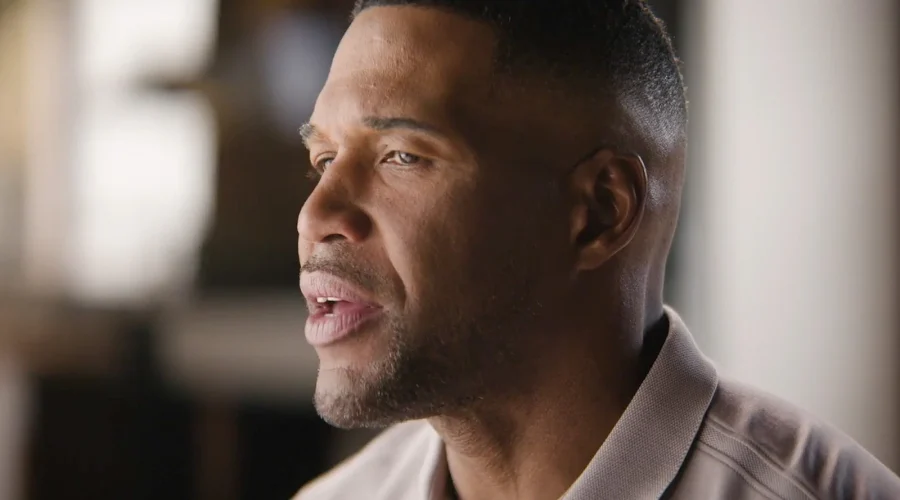
Cyberzenhub.com – For Michael Strahan, the memory begins at home in Montclair, New Jersey, where he looked out a window on Sept. 11, 2001, and saw flames consuming the first World Trade Center tower. The former New York Giants standout, now a “Good Morning America” co-anchor, has recalled how deeply the attacks changed the city and the people who called the region home.
Strahan had not imagined that New York would become such an important part of his life when he entered the NFL. Drafted by the Giants, he went on to spend all 15 of his professional seasons with the franchise and developed a lasting attachment to the city. That relationship gave the events of 9/11 an especially personal weight.
His reflections are included in “9/11: United We Stand — 25 Years Later,” a program examining the ways athletes, performers and public figures responded as the country sought comfort and solidarity after the attacks. The special airs Tuesday, Sept. 1, at 9 p.m. ET on ABC, with streaming availability the following day on Disney+ and Hulu.
Football’s Pause and a Shared Response
In the immediate aftermath, professional sports faced a question far larger than scheduling: whether games should continue while families mourned and rescue workers searched the ruins of the World Trade Center. Strahan was among the NFL players who advocated canceling the weekend’s games as a gesture of respect for those killed.
The league also mobilized support for disaster relief, victims and their relatives. For players, helping was not simply a public obligation; it was a way to stand with a city and nation in grief.
“What were we gonna do? Sit at home? No, we wanted to collectively get together and offer whatever kind of assistance that we could at Ground Zero,” Strahan said. “That’s the biggest show that we wanted to give them, was a show of respect.”
The decision to suspend games reflected the atmosphere of those first days, when ordinary routines felt impossible and public gatherings carried a new emotional meaning. When sports eventually returned, teams and athletes became visible symbols of communities trying to resume daily life without minimizing the scale of the loss.
The Yankees’ Autumn Run
Baseball became one of the most memorable examples of that return. Just over a month after 9/11, the New York Yankees reached the 2001 World Series. The club did not win the championship, but its postseason run became a significant moment for many New Yorkers, bringing crowds together at a time when the city was still processing the attacks.
Derek Jeter, then the Yankees’ shortstop, described a shift in what the team believed its role could be. The games mattered not only for the competition on the field, but for the brief sense of connection and normalcy they could offer.
“It became more than just playing baseball,” Jeter said. “Our job was to bring joy, especially to New York at that time.”
Sports columnist Selena Roberts, who worked at The New York Times during that period, said players and coaches understood that their public visibility came with responsibility. Their appearances, charitable efforts and willingness to participate in a return to public life helped provide reassurance to fans facing an immense collective trauma.
“After Sept. 11, players and coaches absolutely knew that they had a platform and a responsibility to be there for the public, and I think in so many ways, really did help heal people,” Roberts said.
The sports world could not erase grief or repair what had been lost. Still, stadiums and arenas offered gathering places where people could mourn, observe tributes and share a few hours of communal experience. In New York, that function carried particular meaning as residents navigated both personal fear and a changed cityscape.
Music as a Benefit and a Message of Unity
Music also became part of the public response. On Oct. 20, 2001, Madison Square Garden hosted The Concert for New York City, a benefit created by Paul McCartney to honor victims and first responders while raising money for relief efforts.
The event assembled an unusually broad group of performers, including David Bowie, Mick Jagger, Jon Bon Jovi, Billy Joel and McCartney. The concert provided a high-profile space for remembrance, fundraising and appreciation for the emergency personnel who had responded to the attacks.
Jon Bon Jovi later pointed to the resonance of a line from his band’s “Livin’ on a Prayer,” a song whose message of mutual reliance seemed to fit the mood of the moment.
“‘We got each other and that’s a lot.’ That’s what it is, right?” Bon Jovi said. “In that moment in time, when you felt helpless, to have a lyric that is about just simple unity and faith.”
For audiences, benefit concerts were more than entertainment. They offered a way to contribute, remember and gather around shared emotions that could be difficult to express in everyday conversation. The performances also demonstrated how familiar songs could take on new meaning during a national crisis.
Why Art and Entertainment Mattered
Television hosts faced similar challenges. David Letterman became the first major late-night host to return to the air after 9/11. His first program back acknowledged the nation’s shock while encouraging viewers to meet the moment with resolve.
“There’s only one requirement of all of us, and that is to be courageous,” Letterman said.
In the days after the attacks, some people questioned whether listening to music, attending the theater or watching comedy was appropriate. Author and music critic Anthony DeCurtis said that uncertainty underscored the purpose of art during frightening and painful periods.
“At moments like that, you know, you want artists who are going to help us understand and come to terms with the things in our lives that are the most frightening things,” DeCurtis said.
Twenty-five years later, those responses remain part of the story of how New York and the country began moving forward. Athletes offered public solidarity, musicians raised funds and gave voice to grief, and television personalities helped audiences return to a shared civic conversation. None of those efforts changed the tragedy itself, but they helped create moments of connection when many people felt isolated, overwhelmed and unsure how to proceed.
Related Reading
Frequently Asked Questions
What is 25 years later Michael Strahan recalls?
25 years later Michael Strahan recalls is the main topic of this guide. The article explains the context, practical details, and next steps readers should understand.
Why does 25 years later Michael Strahan recalls matter?
25 years later Michael Strahan recalls matters because readers are looking for a useful answer, not just a short summary. Good content should match search intent and help them decide what to do next.