Extreme Heat Alert at Grand Canyon Following Three Hiker Fatalities
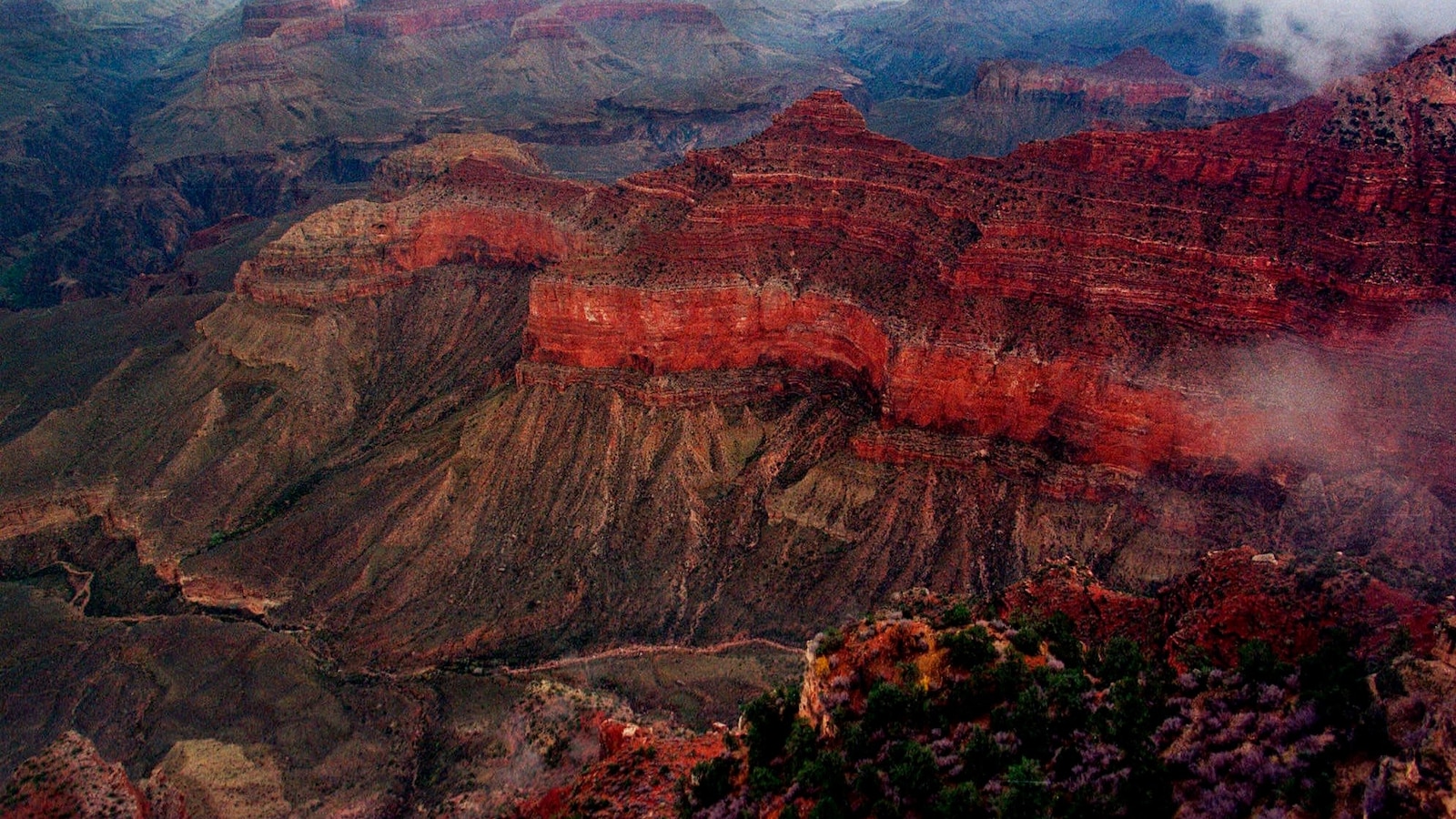
Cyberzenhub.com – Grand Canyon National Park in Arizona is issuing a renewed warning about severe heat conditions expected to return to the iconic site soon, following a series of heat-related tragedies that have raised concerns among officials. This week, the park reported a significant spike in incidents linked to extreme temperatures, culminating in the deaths of three hikers within the inner canyon. The National Weather Service has now activated an extreme heat watch for the area, covering the period from midday Monday to Tuesday, with forecasts predicting peak temperatures of 110°F (43°C) or higher at the low-elevation Phantom Ranch.
Heat-Related Incidents and Trail Conditions
The National Park Service (NPS) has advised visitors to steer clear of hiking during the peak heat hours, citing a recent surge in cases of heat-related illnesses. On June 16, two hikers aged 67 and 68 were discovered deceased on the North Kaibab Trail, which the NPS identifies as one of the most challenging routes within the canyon. Their deaths were attributed to symptoms of heat exhaustion or heatstroke. A third hiker, 72 years old, succumbed to heat illness on June 12 while traversing the South Kaibab Trail, another heavily trafficked path in the region.
“It’s just a hot place at the bottom of the Grand Canyon,” said Justin Johndrow, a meteorologist at the National Weather Service office in Flagstaff, Arizona. He emphasized that the area is nearing its hottest stretch of the year, with the monsoon season’s arrival later in summer offering temporary respite.
Johndrow highlighted that while temperatures at the canyon’s rim may feel more moderate—often 20 to 25 degrees Fahrenheit cooler than the lower elevations—the actual conditions at the canyon floor can be extremely perilous. Hikers ascending the canyon during the day face not only a steep climb but also a dramatic increase in heat exposure, which can quickly lead to dangerous symptoms.
According to the NPS, the heat poses a unique risk because the canyon’s environment can be deceptive. On mild days, the temperature difference between the rim and the base might not seem as extreme, but as the weather intensifies, this gap widens. Johndrow noted that the climb back to the rim becomes especially strenuous under these conditions, with temperatures frequently surpassing 105°F. “Throw in temperatures of 105 to 110 degrees and that causes some pretty bad problems,” he said, underscoring the urgency of the situation.
Officials are urging hikers to adjust their schedules and avoid midday excursions. They recommend starting hikes early in the morning or completing them before the afternoon heat sets in. The NPS has also emphasized the importance of hydration, shade, and rest breaks, particularly for those navigating the lower trails.
Fire Risk in Oak Creek Canyon
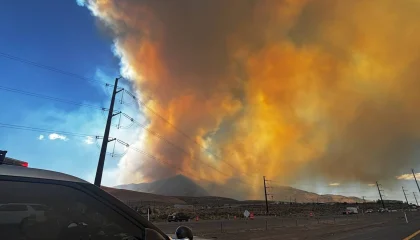
While the Grand Canyon faces the heat, nearby Oak Creek Canyon is also under threat. Late Friday, authorities evacuated residents and visitors due to a wildfire that had already consumed hundreds of acres just north of Sedona, Arizona. The city’s fire department shared updates on social media, noting that multiple agencies are collaborating to contain the blaze, which has forced the closure of approximately 30 miles of state highway in both directions.
The dry, hot weather conditions exacerbating the heat wave have also heightened the risk of wildfires across the region. This has led to a heightened state of preparedness for park rangers and emergency responders, who are working to manage both the thermal and fire hazards simultaneously. The ongoing heat has created a tinderbox environment, where even small sparks can ignite large-scale fires.
Although the primary focus remains on the Grand Canyon’s extreme heat, the situation in Oak Creek Canyon serves as a reminder of the interconnected nature of environmental risks. The fire, which is located just a short distance from the scenic area, has forced the relocation of several communities and disrupted local transportation. Officials warn that the combination of high temperatures and low humidity has made the region particularly vulnerable to rapid fire spread.
Regional Weather Patterns and Safety Advice
The extreme heat is part of a broader trend affecting much of the western United States. From the Rocky Mountains to the Pacific Coast, temperatures have consistently exceeded average levels, with the National Weather Service forecasting even more intense conditions in the coming days. This pattern has prompted officials to issue multiple advisories, urging residents and visitors to take precautions against heat-related illnesses.
Residents in areas like Sedona are being reminded that prolonged exposure to heat without adequate hydration or rest can lead to serious health complications. The NPS and local authorities are also emphasizing the importance of monitoring weather forecasts and adjusting outdoor plans accordingly. For hikers, this means planning routes that avoid the hottest parts of the day and staying informed about trail conditions and temperature forecasts.
As the weather service prepares for the monsoon season, the upcoming heatwave is expected to test the resilience of both the natural environment and the people who visit it. While the rains that follow may provide some relief, the current conditions are a stark reminder of the challenges posed by extreme weather. Officials are working to ensure that visitors are equipped with the knowledge and resources needed to stay safe.
In summary, the Grand Canyon is facing a critical period of high temperatures, with three recent fatalities serving as a sobering reminder of the dangers. The National Weather Service and the National Park Service are collaborating to provide updated guidelines, while nearby regions like Oak Creek Canyon deal with their own environmental threats. Together, these developments highlight the importance of preparedness and awareness in the face of nature’s most intense challenges.