FAA Investigates Near-Miss Incident at Boston Logan Airport
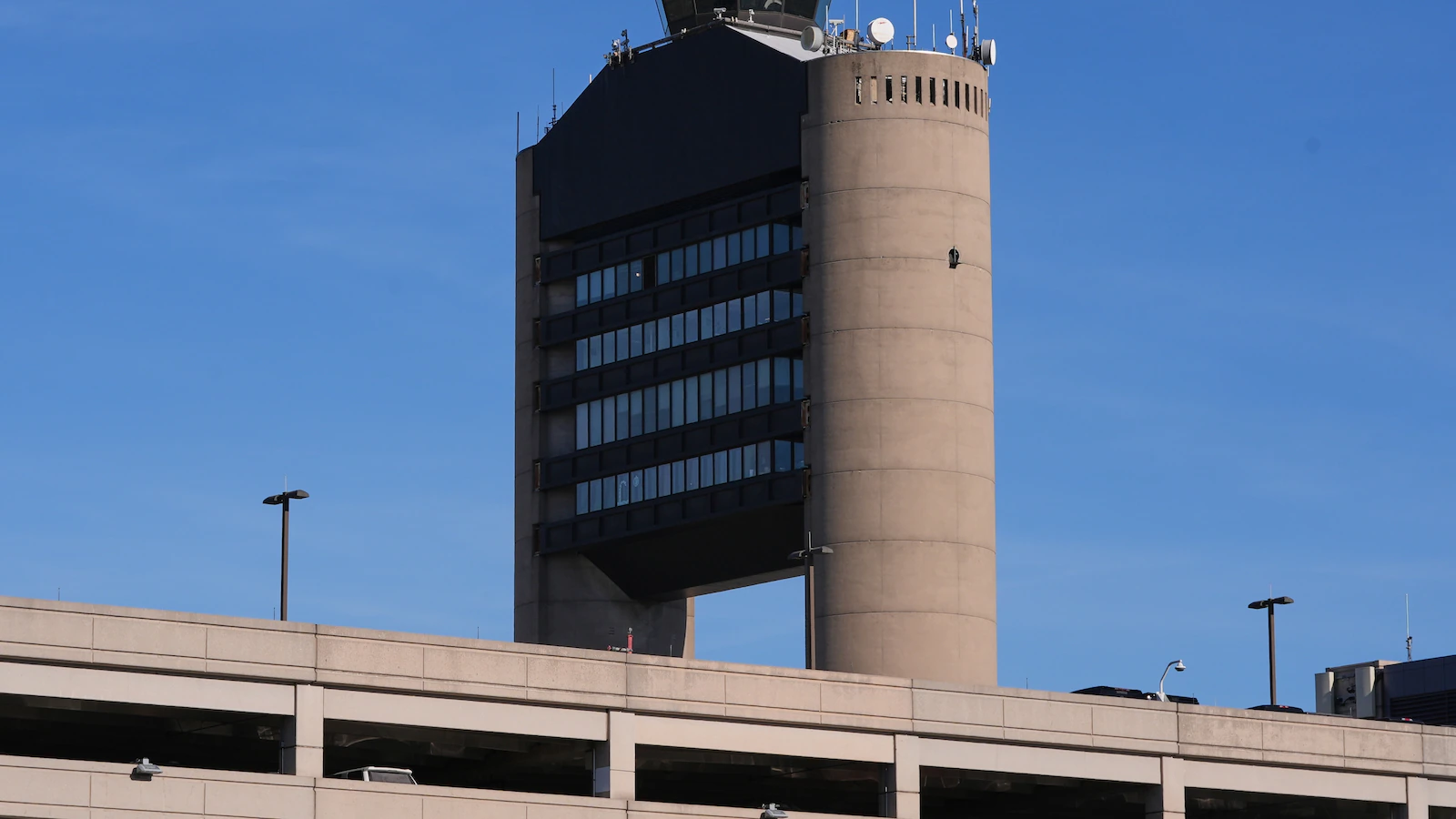
Cyberzenhub.com – The Federal Aviation Administration (FAA) has initiated an investigation into a near-miss incident that occurred at Boston Logan International Airport on Saturday morning. This incident involved two commercial flights nearly colliding, prompting a Delta Air Lines aircraft to perform a go-around to prevent a potential disaster. According to FAA reports and flight data logs, the Delta flight originated from Dallas and was on course for a landing when it detected a conflicting trajectory with an American Airlines plane departing from an intersecting runway.
The FAA confirmed that the Delta crew, operating flight 2351, worked closely with air traffic control to execute the maneuver. A spokesperson from Delta Airlines stated that the decision to abort the landing was made in response to the imminent risk of collision. The aircraft, which was carrying 129 passengers and six crew members, successfully completed its landing and proceeded with normal deplaning procedures, ensuring no injuries were reported.
“The crew of Delta flight 2351 coordinated with air traffic control to perform the go-around, an essential safety measure to avoid a potential mid-air collision,” said the airline’s spokesperson. “All passengers and crew were accounted for, and the situation was resolved without incident.”
FAA officials emphasized that such go-arounds are standard, routine procedures used by pilots and air traffic controllers to ensure safe operations. These maneuvers are typically executed when a plane detects a risk, such as an approaching aircraft on a conflicting path, or when weather conditions, mechanical issues, or other unforeseen circumstances arise. The agency noted that while the event was concerning, it underscores the effectiveness of current aviation protocols in preventing serious accidents.
Recent Aviation Accidents Raise Safety Concerns
The near-miss incident at Boston Logan Airport follows a series of aviation accidents in recent days, prompting renewed scrutiny of air safety measures. On Saturday, a tragic event unfolded in France, where a founder of a prominent gaming company lost their life in a plane crash. This incident occurred shortly after the Delta and American Airlines close call, adding to the list of aviation-related emergencies.
Earlier in the week, a business jet crashed in Laredo, Texas, resulting in one fatality. The crash was attributed to a combination of mechanical failure and adverse weather conditions, which disrupted the plane’s approach. Meanwhile, on Monday, a B-52 bomber crashed during a test flight at Edwards Air Force Base in California, claiming the lives of all eight individuals aboard. The accident was linked to a systems malfunction that led to a loss of control at high altitude.
Adding to the recent string of incidents, a plane crash in Missouri last Sunday killed twelve people during a skydiving outing. The event involved a small charter aircraft that departed from a private airstrip and was carrying skydivers for a recreational flight. Witnesses reported that the plane experienced engine trouble before plummeting into a nearby field. These accidents, while separate in location and cause, highlight the importance of continuous safety assessments and training within the aviation industry.
FAA and Airlines Collaborate on Safety Protocols
As part of the ongoing investigation, the FAA is working alongside Delta and American Airlines to determine the exact sequence of events that led to the near collision. The agency is reviewing air traffic control communications, flight path data, and onboard recordings to identify any contributing factors. American Airlines, which is involved in the incident, has directed all inquiries to the FAA, indicating a shared commitment to transparency.
Flight experts suggest that the incident may have been a result of human error, technical malfunctions, or miscommunication between the two aircraft. However, the FAA has clarified that such near-misses are a natural part of air travel, given the complexity of managing multiple flights in close proximity. “Go-arounds are a critical tool in aviation safety, allowing pilots to quickly adapt to changing conditions,” a FAA representative explained. “They are designed to prevent collisions and ensure the highest level of operational safety.”
While the specific details of the Boston Logan incident are still under review, the FAA has expressed confidence in the robustness of its safety systems. The agency highlighted that pilots are trained to make split-second decisions, and air traffic controllers play a vital role in monitoring and managing flight paths. “This incident serves as a reminder of the importance of vigilance and coordination in aviation, even during routine operations,” the FAA spokesperson added.
Industry Response and Public Safety
Aviation safety advocates have called for a thorough review of the incident to identify any gaps in current procedures. They emphasized that while go-arounds are routine, the frequency of recent accidents raises questions about the need for additional training or updated protocols. The Delta and American Airlines crews involved in the event are cooperating fully with the FAA, providing detailed accounts of their actions during the near collision.
In response to the series of incidents, the FAA has announced plans to conduct a comprehensive safety assessment of all relevant airports and air traffic control systems. This includes reviewing the specific circumstances of the Boston Logan near-miss and analyzing data from the other recent accidents to develop recommendations for improving aviation safety. Industry leaders have praised the agency’s proactive approach, noting that such measures can help prevent future incidents and restore public confidence in air travel.
Passengers on the Delta flight expressed relief that the situation was resolved without harm. One traveler, speaking to reporters, described the experience as “very stressful but ultimately safe.” The airline has since issued a statement reaffirming its dedication to passenger safety, with plans to provide updates as the FAA investigation progresses. Meanwhile, American Airlines has reiterated its commitment to operational excellence, with officials stating that they are reviewing their procedures to ensure no similar incidents occur in the future.
As the FAA continues its investigation, the aviation community remains focused on the lessons learned from the event. Safety experts stress that while each incident is unique, the collective data from recent accidents can lead to improvements in training, technology, and communication. The Delta and American Airlines flights involved in the near-miss are just one chapter in the ongoing story of aviation safety, which requires constant vigilance and innovation to ensure the highest standards are maintained.