Lawsuit Seeks to Halt ‘Deeply Corrupt’ UFC Event at White House
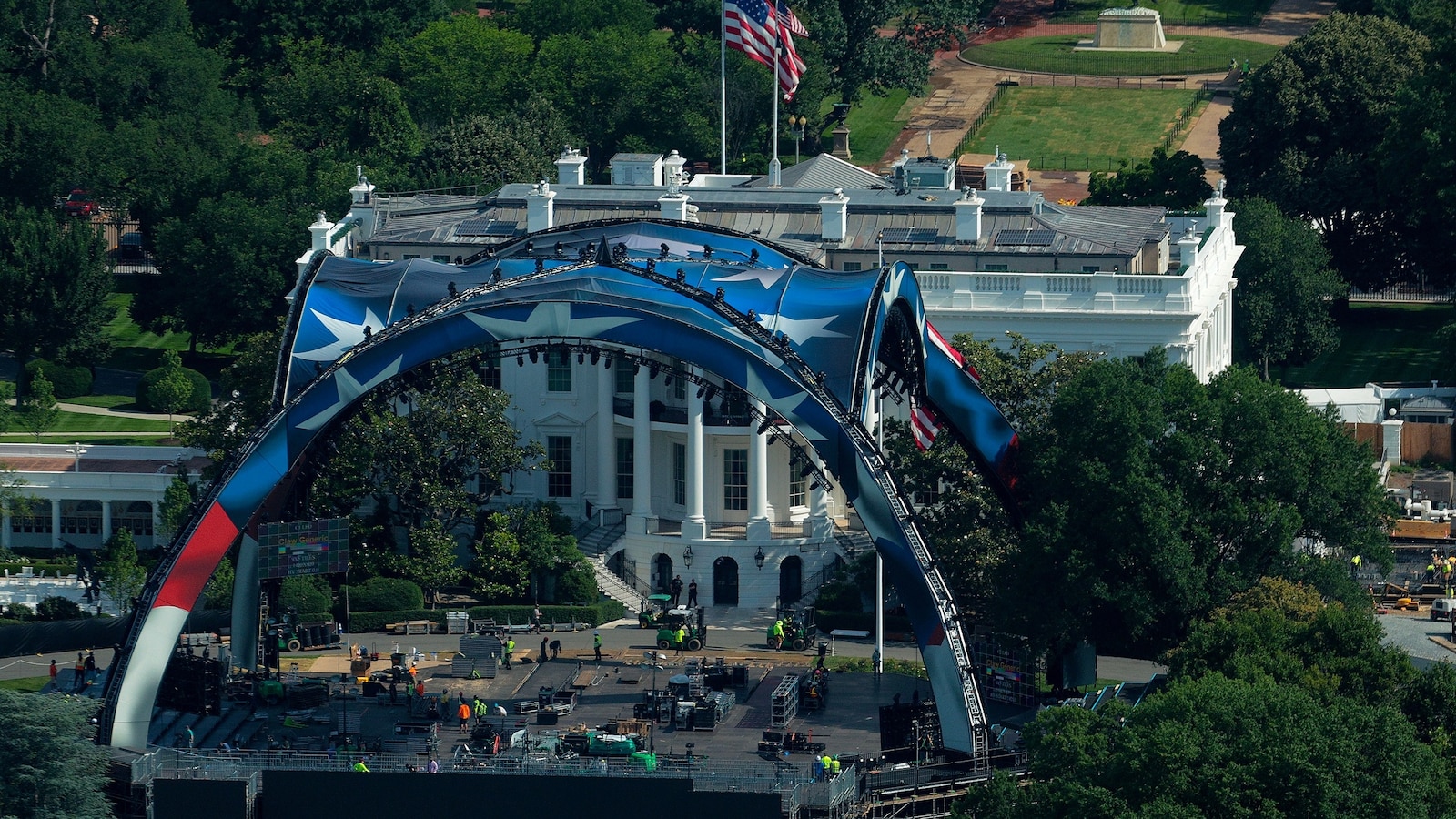
Cyberzenhub.com – As the White House gears up for a major event, a legal challenge has emerged against the decision to host a high-profile mixed martial arts competition on the South Lawn. The Public Integrity Project, a public interest law firm, filed a lawsuit this weekend, asserting that the event’s approval was flawed and that it constitutes an abuse of public resources. The case centers on the UFC’s plan to stage its Freedom 250 event on June 5, 2026, in Washington, D.C., which will feature a temporary steel arch structure and draw thousands of spectators to the Ellipse. The lawsuit argues that the Trump administration’s actions lack transparency and legal foundation, marking a significant moment in the ongoing debate over the use of federal land for private ventures.
Plaintiffs Challenge Event’s Permissibility
The lawsuit, led by the Public Integrity Project, represents two individuals: a retired government employee and a Vietnam veteran. Both have a history of participating in protests and public events near the National Mall and White House. They claim the event violates established protocols by utilizing a temporary rule for the 250th anniversary of American independence to fast-track approval. According to the filing, the UFC’s event—scheduled for Sunday, coinciding with President Trump’s birthday—does not align with the rule’s intent, which is to celebrate national heritage, not promote corporate branding.
“It is not in any material sense a ‘celebration of the 250th anniversary of American Independence’—it is, instead, a celebration of the UFC’s brand and the 80th anniversary of Donald Trump’s birth,” the lawsuit stated.
The filing also highlights concerns about the event’s environmental impact, noting that the construction of the 600-ton steel arch should have undergone a formal review under the National Environmental Policy Act. This requirement, which mandates analysis of potential ecological effects, was allegedly overlooked in favor of expedited approval. The plaintiffs argue that the event’s location on the South Lawn—a historically significant area—was chosen not for its symbolic value but to serve the interests of the UFC and its partners.
Temporary Rule and Corporate Influence
At the heart of the lawsuit is the claim that the administration improperly applied a temporary regulation created to commemorate the nation’s 250th anniversary. This rule, designed to streamline event permits on National Park Service land, was used to justify the UFC’s use of the White House grounds. However, the plaintiffs contend that the rule’s scope was stretched beyond its original purpose, allowing a private entity to benefit from public assets without due process. The lawsuit emphasizes that the UFC’s event is not a public celebration but a commercial venture that leverages government access for promotional gains.
“The President is giving [Dana] White and his company what none have enjoyed before: unfettered access to the White House and Lincoln Memorial to stage a private, for-profit sports event, with all the promotional and branding opportunities that accompany such access,” the filing added.
Legal experts suggest that the temporary rule’s flexibility could be seen as a benefit, but the plaintiffs argue it was manipulated to bypass standard permitting procedures. They allege that the event’s primary purpose is to elevate the UFC’s brand and associate it with the Trump administration, creating a conflict of interest. The lawsuit further claims that the UFC’s decision to host the event on Trump’s birthday adds to its perceived alignment with the administration’s agenda.
Broader Implications of the Legal Battle
Similar lawsuits have previously targeted Trump’s efforts to reshape the White House and surrounding areas. For instance, construction of his ballroom was initially blocked by a judge, only to be reinstated by an appeals court. Other challenges, including those over a planned arch and golf course renovations, have also faced setbacks. Despite these prior cases, the Trump administration has continued its projects, often citing the need for public space utilization. The current case, however, is unique in its focus on the UFC event, which combines sports, politics, and corporate interests in a way that has drawn sharp criticism.
The plaintiffs’ argument is bolstered by financial disclosures showing Trump’s ownership stake in the UFC’s parent company. This connection, they claim, raises questions about the event’s neutrality and the potential for profit-driven decisions to overshadow public service. Additionally, the UFC’s VIP packages, priced over $1 million, and its sponsorship of an overseas cryptocurrency exchange have been cited as examples of the event’s commercialization. The lawsuit also notes the event’s streaming partnership with Paramount Skydance, further linking it to the administration’s media outreach strategies.
Judge Assigned to Case
The case has been assigned to Judge Amit Mehta, a federal judge appointed by former President Barack Obama. His role in determining the legality of the event will be pivotal, as the outcome could set a precedent for future uses of public land. The lawsuit has already prompted public debate, with critics questioning the appropriateness of hosting a sports event in such a prominent setting. Meanwhile, supporters of the event argue that it is a celebration of American culture and a way to engage the public in a unique form of entertainment.
As preparations for the UFC Freedom 250 event continue, the legal challenge underscores broader concerns about the balance between public use of federal property and private commercial interests. The plaintiffs’ claim that the event represents a “deeply corrupt” arrangement highlights the tension between tradition and modernization, with the White House becoming a stage for both historical commemoration and political branding. Whether the lawsuit succeeds in stopping the event will depend on how the court interprets the administration’s use of the temporary rule and the extent to which the UFC’s activities qualify as a legitimate public event.
Context and Public Reaction
The timing of the lawsuit, filed just days before the event, has added urgency to the legal battle. The White House and UFC have not yet commented on the allegations, leaving the public to speculate on the motives behind the event’s organization. The lawsuit’s emphasis on “aesthetic, dignitary, and procedural harms” reflects a belief that the event undermines the White House’s role as a symbol of national unity. Supporters, however, view the event as a creative way to showcase the nation’s enthusiasm for sports and its cultural heritage.
With the UFC’s event drawing attention for its intersection of politics, commerce, and public space, the lawsuit serves as a reminder of the ongoing scrutiny surrounding the use of federal resources. As the nation marks the 250th anniversary of its independence, the case raises questions about whether the White House is being used as a backdrop for corporate promotions rather than a venue for public service. The outcome of the lawsuit could influence how future events are permitted, particularly those involving high-profile organizations and political figures.
Meanwhile, the event’s location—on the South Lawn, a space traditionally reserved for dignitaries and public ceremonies—has sparked discussions about the appropriateness of hosting a combat sports event there. Critics argue that the site’s historical significance should be preserved, while advocates highlight the event’s potential to generate public interest and economic activity. The legal challenge, therefore, is not just about the immediate event but also about the broader implications of using federal land for private purposes, even when framed as a patriotic gesture.
As the case moves forward, it will be closely watched by legal analysts, activists, and the general public. The ability of the plaintiffs to demonstrate that the event’s approval was improperly granted may determine its fate. Whether the UFC’s event is seen as a celebration of national pride or a corporate move with political undertones will depend on how the court interprets the facts and the administration’s intent. For now, the White House and UFC remain focused on ensuring the event proceeds as planned, with the legal battle serving as a backdrop to the anticipated spectacle.