FDA advisory committee votes to add popular: ee Votes to Add BPC-157 to Compounding List Cyberzenhub.com – The FDA advisory committee votes to add
FDA Advisory Committee Votes to Add BPC-157 to Compounding List
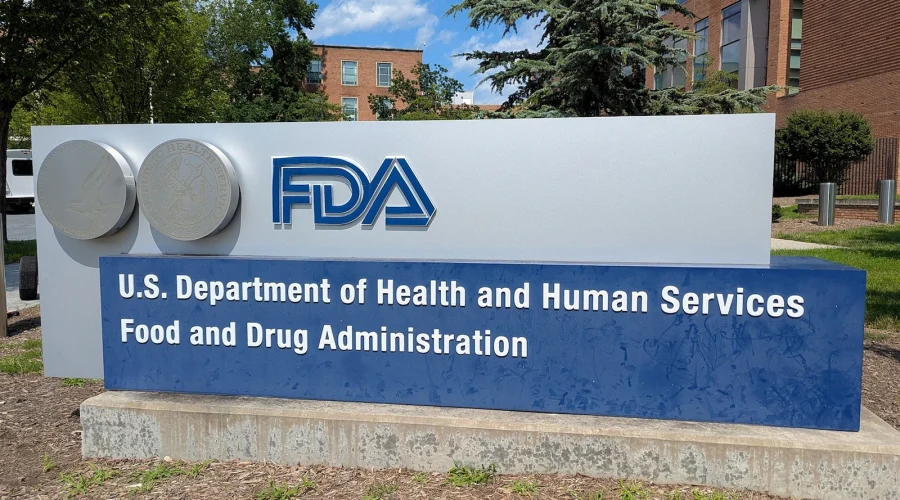
Cyberzenhub.com – The FDA advisory committee votes to add BPC-157 to a drug compounding list, marking a significant milestone for this popular peptide. This decision brings the widely-used compound one step closer to legal availability for Americans who have a prescription. The Pharmacy Compounding Advisory Committee (PCAC) cast its vote on Thursday with an 8-6 margin in favor, accompanied by one abstention. While this outcome represents progress, it remains non-binding and requires final approval from the FDA before becoming official policy.
What This Vote Means for Peptide Accessibility
This decision represents just the beginning of a broader review process. The committee is currently evaluating seven different peptides, with additional discussions and votes anticipated throughout Thursday and Friday. BPC-157 has gained considerable attention online as a potential treatment for promoting gut healing and tissue repair. Despite its growing popularity, many peptides remain available primarily through black and grey markets, limiting consumer access to verified products.
The regulatory landscape for these compounds presents unique challenges. Currently, there is very limited human clinical trial data to support the effectiveness or safety of most peptides. Rather than following the traditional, rigorous FDA approval process, the committee is considering an atypical regulatory pathway. This approach would allow these substances to be compounded for individual patients without requiring the same level of comprehensive testing that pharmaceutical drugs undergo.
Expert Perspectives and Safety Considerations
During the committee meeting, FDA staff scientists emphasized a general lack of quality data supporting both safety and effectiveness of BPC-157. Committee members who voted in favor generally believed the risks to be minimal. Conversely, those who voted against the proposal expressed concerns about safety risks and effectiveness, noting that adding the peptide to the compounding list might create a false impression that it has been evaluated with the same rigorous standards as an FDA-approved drug.
Peptides are strings of amino acids, which are smaller than a protein. They have exploded in popularity online, with influencers suggesting they can help build muscle, improve metabolism and more.
Most of the studies conducted so far have been performed in rodents, and results from animal studies don’t always translate to human outcomes. This discrepancy has raised questions among medical professionals about the reliability of current evidence. Health and Human Services Secretary Robert F. Kennedy Jr. has actively promoted the use of peptides, which has drawn attention to the issue.
Additionally, HHS has faced criticism regarding potential financial conflicts of interest among many of the newly appointed members to the PCAC. This concern has added another layer of complexity to the committee’s decision-making process. As this story continues to develop, stakeholders are watching closely to see how the FDA responds to the committee’s recommendation.
The outcome of this vote could have far-reaching implications for both patients seeking peptide treatments and the pharmaceutical industry. If approved, BPC-157 would become more accessible through licensed pharmacies, potentially reducing reliance on unregulated markets. Patients and healthcare providers alike will be monitoring the situation as the FDA reviews the committee’s recommendation and determines whether to move forward with this regulatory change.
Related SEO Topics
- Home
- Artikel terkait FDA advisory committee votes to add popular
- DOJ agrees to withdraw subpoenas for New York Times journalists
- Democratic National Committee set to take key vote towards determining its 2028 presidential calendar
- Trump set to impose sweeping tariffs on 60 trade partners
- Member of Vance’s protective detail under investigation, Secret Service says
Frequently Asked Questions
What is FDA advisory committee votes to add popular?
FDA advisory committee votes to add popular is the main topic covered in this article, with practical context to help readers understand the subject clearly.
Why does FDA advisory committee votes to add popular matter?
FDA advisory committee votes to add popular matters because it helps readers compare options, avoid common mistakes, and make a more informed decision.
How should readers use this FDA advisory committee votes to add popular guide?
Use the key points, examples, and related links in this page as a starting point, then review the latest details before making a final decision.