Families of 9/11 Victims Seek Release of More Records Ahead of Trial
Cyberzenhub.com – Nearly 25 years after the Sept. 11 attacks, relatives of those killed are renewing their push for the release of classified government material they believe could clarify whether Saudi officials or agents assisted the hijackers. Their long-running civil case against Saudi Arabia is moving closer to trial, and newly obtained records have intensified their demands for greater transparency.
The families contend that recently disclosed evidence points to significant Saudi involvement in the attacks, an allegation Saudi Arabia has consistently rejected. Central to their case is Omar al-Bayoumi, a Saudi national who lived in the United States for much of the decade before 9/11 and whom the families describe as an intelligence-linked operative.
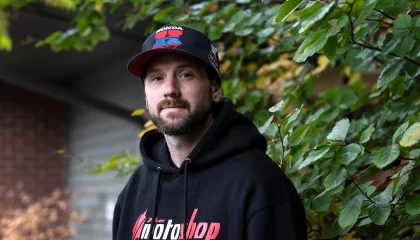
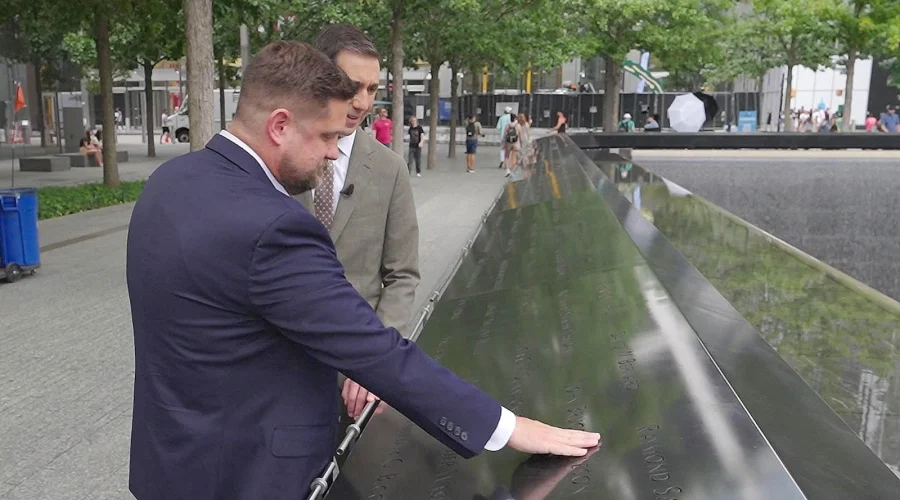
Brett Eagleson, whose father, Bruce Eagleson, was killed in the South Tower of the World Trade Center, has become one of the leading voices in the effort. For families who have spent decades seeking answers, the requested disclosures represent more than a procedural step in litigation. They see them as a possible path toward accountability and a fuller public understanding of the attacks.
“Now is the moment, 25 years later, to finally bring resolution,” Eagleson said, “and the man that sits in the Oval Office has a historic and a tremendous opportunity to do it.”
Pressure on the White House
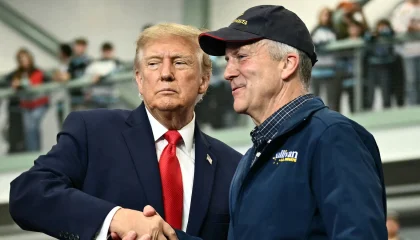
The decision to declassify additional records rests with President Donald Trump. Eagleson and other family members have urged the administration to act, noting Trump’s previous moves to open government files involving subjects including the assassination of President John F. Kennedy and alleged UFO-related records.
“We’ve seen him do it for the JFK files. Why not the 9/11 files?” Eagleson said.
Members of New York’s congressional delegation have joined the campaign. Rep. Nicole Malliotakis, a Republican from New York and a Trump ally, is among bipartisan signatories on a letter requesting the release of records connected to al-Bayoumi and two of the hijackers. The materials sought include telephone logs said to belong to al-Bayoumi and the men involved in the plot.
“This is probably one of the better shots that we have at getting this information out there,” Malliotakis said. “And I think that hopefully we’ll see this type of transparency coming from this administration.”
White House spokesperson Anna Kelly said the administration was working to identify documents responsive to the families’ request. The issue has particular urgency for relatives approaching another major anniversary of an attack that killed nearly 3,000 people and reshaped U.S. foreign policy, aviation security and daily life across the country.
Records at the Center of the Case
The newest evidence emerged from litigation involving al-Bayoumi. It includes a video recorded during his 1999 trip to Washington, D.C., as well as notes and a drawing that family members characterize as highly significant. One newly surfaced sketch is said to contain calculations involving the navigation of an aircraft toward a ground target. Eagleson has called the material “smoking gun evidence.”
Another disputed item is a video that the families say shows al-Bayoumi examining the U.S. Capitol and its surroundings roughly two years before the attacks. In their court filings, they describe the footage as a reconnaissance-style recording. The Capitol was widely believed to have been the intended destination of United Flight 93, which crashed near Shanksville, Pennsylvania, after passengers resisted the hijackers.
The families say the video includes observations about security inside and outside the Capitol and notes its location near Reagan National Airport. For them, those details raise questions about why the recording was made and whether it reflected knowledge of a future attack plan. The legal significance of the material will depend on how a court evaluates the evidence alongside other records and testimony.
Al-Bayoumi’s Alleged Support Network
Al-Bayoumi has remained a central figure in the families’ allegations for years. Their lawsuit states that he offered essential assistance to two hijackers after they arrived in California in early 2000. The complaint says he helped them obtain an apartment in his own complex and gave them funds just below the threshold that would trigger suspicious activity reporting as they opened a bank account.
The families also maintain that al-Bayoumi hosted a gathering for the hijackers and allowed them to stay at his residence for one or two days before their apartment was ready. Eagleson argues that these actions went beyond casual help offered to newcomers.
“He was the man,” Eagleson said. “Omar al-Bayoumi is coordinating and directing logistical and financial support to the hijackers.”
The Saudi national had been in the United States nominally as a student before the attacks. The families’ case seeks to establish whether his activities were connected to Saudi government interests or intelligence services. Saudi Arabia has long denied responsibility for the attacks or for providing support to the hijackers.
The dispute illustrates the difficulty of resolving terrorism-related claims decades later. Crucial evidence may remain classified, witnesses and officials may be unavailable, and distinctions between individual conduct, informal connections and government direction can be difficult to establish. For the victims’ relatives, however, the passage of time has not reduced the importance of the unanswered questions.
As the lawsuit advances, the battle over declassification may determine how much evidence can be examined publicly and used in court. Families hope the release of additional files will either strengthen their allegations or finally provide definitive answers about the people and institutions that may have helped the hijackers before Sept. 11.
Related Reading
Frequently Asked Questions
What is 25 years later 9 11 victims?
25 years later 9 11 victims is the main topic of this guide. The article explains the context, practical details, and next steps readers should understand.
Why does 25 years later 9 11 victims matter?
25 years later 9 11 victims matters because readers are looking for a useful answer, not just a short summary. Good content should match search intent and help them decide what to do next.